🌸 Tulip
The tulip, an iconic flower known for its vibrant colors and simplistic beauty, is a beloved symbol of spring. Originating from the horticultural wonders of the Ottoman Empire, it captivated gardeners and enthusiasts alike. The tulip's adaptability to various climates and its multitude of varieties have cemented its status as a staple in gardens and floral arrangements worldwide. Its popularity isn't merely a modern phenomenon; the tulip has a rich historical significance as well. This article explores the tulip's botanical characteristics, origin, blooming season, and cultural symbolism, offering insights into how to cultivate and maintain this extraordinary flower.
🌼 Botanical Overview
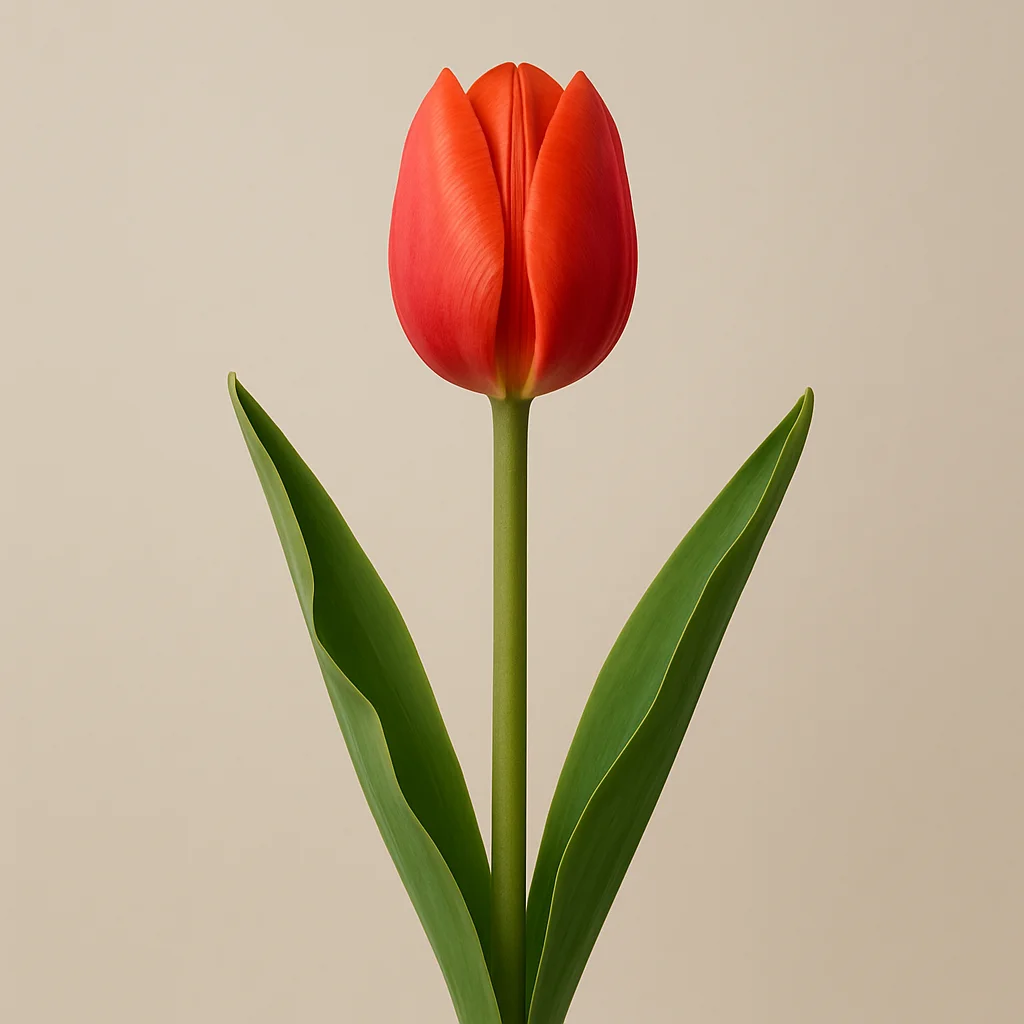
The tulip is a genus of spring-blooming perennials under the family Liliaceae. Comprised of around 75 known species, tulips exhibit a wide range of colors and forms. They typically grow from bulbs, and their flowers are composed of three petals and three sepals, often indistinguishable, giving tulips a symmetrical appearance. A tulip plant generally reaches a height of about 10 to 70 cm, depending on the species and growing conditions. With their robust, upright stems and lance-shaped leaves, tulips present a structured and neat appeal. This makes them exceptionally favored in both wild and cultivated landscapes.
🌍 Origin & Natural Habitat
The natural habitat of tulips lies within a vast temperate zone stretching across Southern Europe, North Africa, and across to Central Asia. Tulips thrive in areas that offer cold winters and dry, warm summers, mimicking their native environment. Historically, the tulip's allure began in Central Asia, where wild species adorned the hillsides. The flower's journey to the gardens of Europe began in the 16th century when it was brought from the Ottoman Empire, notably influencing the Dutch tulip mania of the 17th century—a historic period where tulips became so desirable that they were used as a form of currency.
📅 Blooming Season
Tulips are quintessential symbols of spring, blossoming typically between March and May depending on the climate and specific variety. As early bloomers, tulips herald the arrival of warmer weather. They begin their growth cycle during the cooler months. Many gardeners plant tulip bulbs in the fall, allowing them to establish roots before going dormant. Come spring, as the temperatures rise and daylight increases, tulips emerge from their slumber, offering a burst of color that lasts several weeks. The duration of tulip blooms varies but usually spans from 1 to 2 weeks per flower, depending on weather conditions.
🌱 Growing & Care Tips
To cultivate tulips successfully, gardeners should plant bulbs in a well-draining soil to prevent root rot, as tulips do not tolerate wet feet. A sunny location is preferable, though tulips can tolerate partial shade. When planting, bulbs should be buried about 15 to 20 cm deep and spaced approximately 10 cm apart. Tulips benefit from a layer of mulch applied after planting to maintain soil moisture and temperature.
- Watering: Consistent watering during their growing season is crucial, ensuring the soil remains damp but not soggy.
- Fertilization: A balanced bulb fertilizer applied at planting and again as growth begins in spring can enhance bloom quality.
- Spacing: Allowing adequate space between bulbs promotes air circulation, which helps in reducing the risk of fungal diseases.
By regularly checking for pests, such as aphids and slugs, and removing any affected plants immediately, gardeners can maintain a healthy tulip bed.
✂️ Pruning & Maintenance
Post-blooming care is essential for keeping tulip beds attractive and ensuring vigorous growth in subsequent seasons. After flowers fade, cut stems back but leave the foliage intact, as it continues photosynthesis, feeding the bulb for future blooms. Remove yellowed leaves as they die back naturally, usually six weeks post-blooming.
- Deadheading: Removing spent blooms prevents tulips from setting seed, thereby enhancing bulb strength.
- Lifting Bulbs: In areas with wet summers, lifting bulbs post-season and storing them in a dry, cool place can prevent rot.
Regular maintenance and care can prolong the life span and bloom period of tulip plants, offering enduring beauty season after season.
🌺 Symbolism & Cultural Meaning
The tulip wields a rich tapestry of symbolism and cultural significance. It is often associated with love, as ancient Persian literature linked the red tulip with undying passion. In general, tulip colors convey varied meanings: red symbolizes true love, purple represents nobility and royalty, while yellow embodies cheerful thoughts and sunshine. Through its role in the economic boom-and-bust cycle of the Dutch Golden Age, tulips also symbolize the ultimate transience of great wealth.
Beyond European borders, tulips have played roles in the artistic and cultural landscapes of Persia and Turkey, where they were once considered royal flowers. Their journey as a symbol of renewal and rebirth echoes universally, perfectly aligning with their seasonal emergence in spring.
💐 Popular Uses & Arrangements
Tulips are highly sought after for arrangements due to their elegant shape and bold colors. In bouquets, tulips can be the focal point or play a complementary role alongside other flowers such as roses and daisies. Their relatively long stems make them versatile for use in various floral displays.
- Garden Borders: Tulips add vibrant color and structure to garden borders and beds.
- Cut Flowers: As cut flowers, tulips last between 5-10 days, depending on conditions.
- Seasonal Arrangements: Mixed floral arrangements often use tulips to capture the essence of springtime freshness.
When crafting arrangements, use the tulip's natural arch to create a sense of movement and flow within the composition.
⚠️ Safety, Toxicity & Precautions
While tulips are beautiful, they harbor a level of toxicity primarily through their bulbs. They contain compounds that can be irritating or harmful to pets and humans if ingested. Handling tulip bulbs may cause skin irritation in sensitive individuals due to a substance called tuliposide. It is advisable to wear gloves when handling bulbs and wash hands thoroughly after planting or maintenance activities.
- Keep Away from Pets: To prevent accidental ingestion, keep bulbs and flowers out of reach from pets.
- Educate Children: Teach children not to pick or eat plants without adult supervision.
Awareness and precautionary measures ensure that both gardens and their keepers remain safe while enjoying the splendor of tulips.
📌 Summary
The tulip, with its storied past and vibrant display, is a testament to nature's beauty and resilience. As a flower that has traversed continents, inspired cultures, and sparked historical phenomena, it remains a favorite for gardeners and floral enthusiasts alike. Caring for tulips involves thoughtful planting, timely maintenance, and a keen eye on safety precautions. Whether used in artistic arrangements or as a perennial spectacle, tulips continue to bloom as a symbol of springtime renewal, bringing color and joy to gardens and homes across the world.