🌸 Sweet Pea
The Sweet Pea is a delightful flowering plant cherished for its vibrant colors and enchanting fragrance. Known scientifically as Lathyrus odoratus, Sweet Peas have become a staple in gardens worldwide due to their visual appeal and sweet aroma. These flowers not only add beauty to garden landscapes but are also popular in floral arrangements, symbolizing blissful pleasure and delicate pleasure. This article offers a detailed exploration of Sweet Peas, their growth habits, care requirements, and significance in various cultures.
🌼 Botanical Overview
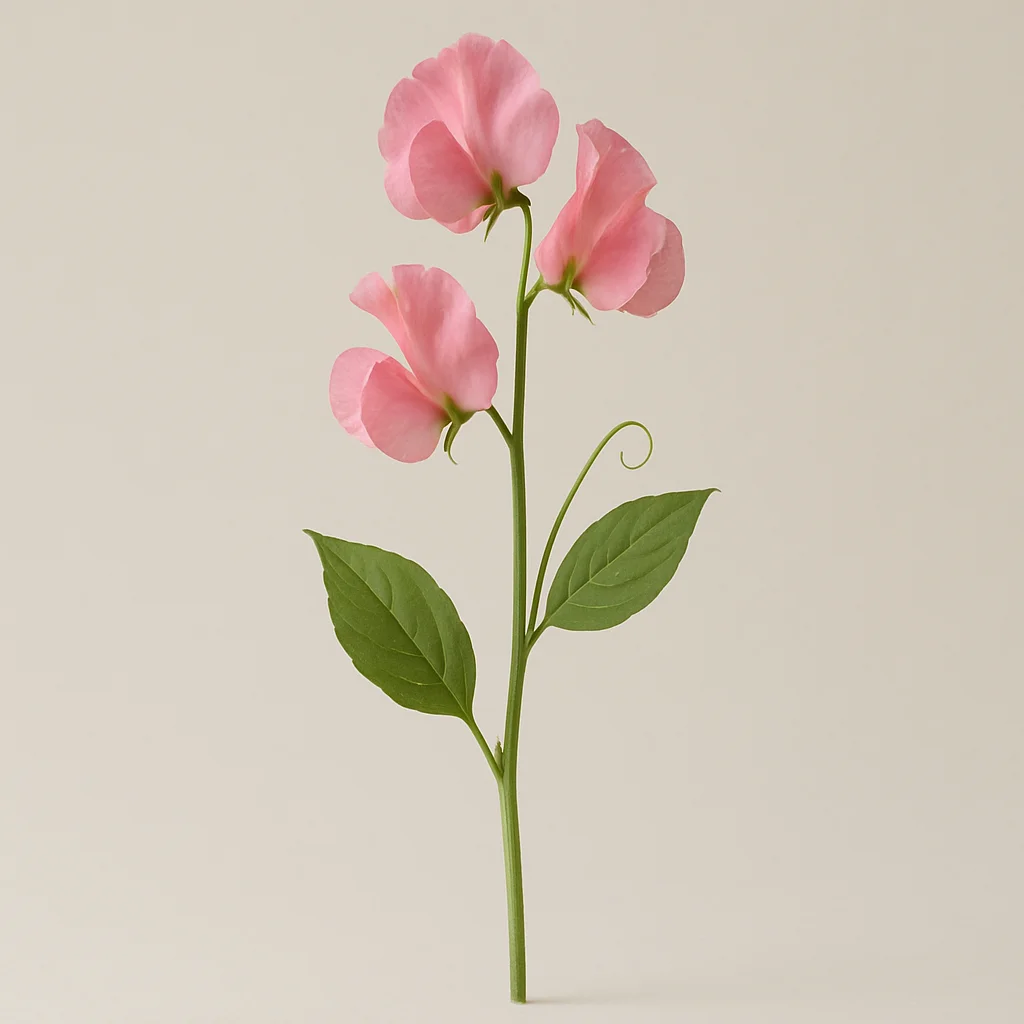
Sweet Peas belong to the legume family, Fabaceae, which is known for its diverse species. The plant is an annual climbing plant that can reach up to 6 feet or more, depending on the variety and growing conditions. Each plant produces delicate blooms with petals resembling butterfly wings, offering a spectrum of colors from soft pastels to vibrant hues such as deep purple, red, and pink. The physical structure consists of vining tendrils that help the plant cling to supports, allowing it to grow vertically.
- The stem is typically slender, with tendrils used for climbing.
- The foliage is light green, consisting of pinnately compound leaves.
- Flowers are usually fragrant, blooming in small clusters along the stem.
Images of Sweet Peas should feature the entire plant visible, showcasing the complete bloom and stem. This encompasses the vibrant flowers and the supporting tendrils, providing a comprehensive view of the plant's delicate beauty.
🌍 Origin & Natural Habitat
Sweet Peas are native to the eastern Mediterranean region, encompassing parts of Italy, Greece, and the Aegean Islands. Discovered in the late 17th century, these flowers were cultivated extensively in European gardens by the 18th century. Sweet Peas thrive in temperate climates, preferring environments that offer mild, moist conditions—conditions like those found in their native land.
The preferred habitat for Sweet Peas includes well-drained soil with ample organic matter and sun exposure. These plants favor environments where they can bask in full sunlight, with some partial shade during the hottest parts of the day. Given this, gardeners worldwide have adapted techniques to recreate these conditions, allowing Sweet Peas to flourish in different regions.
📅 Blooming Season
The blooming season for Sweet Peas is generally late spring to early summer. In climates with mild winters, they can even start flowering as early as late winter or early spring with the proper planting techniques. Sweet Peas are photoperiodic, meaning their flowering is influenced by the duration of daylight they receive.
- The first blooms typically appear in late spring.
- Peak blooming occurs from late spring through early summer.
- The blooming period can be extended by deadheading and providing consistent care.
Images should depict the complete bloom and stem during this peak season to capture the vivid colors and delicate structure of the flowers.
🌱 Growing & Care Tips
Growing Sweet Peas successfully requires strategic planning and care. Here are some essential tips to ensure healthy growth and abundant blooming:
- Soil Requirements: Sweet Peas thrive in rich, well-drained soil with good organic content. It’s recommended to work compost or well-rotted manure into the soil before planting.
- Sunlight: Full sun exposure is ideal for these plants, though they can tolerate partial shade in hotter regions.
- Watering: Regular watering is crucial, especially during dry spells. However, care should be taken to avoid waterlogging.
- Support Structures: Vining varieties require trellises or other supports to grow upwards and spread blooms effectively.
- Feeding: A balanced fertilizer is beneficial during the growing season to support healthy flowering.
✂️ Pruning & Maintenance
Proper pruning and maintenance are essential for extending the blooming period and ensuring plant health.
- Deadheading: Regularly remove spent flowers to encourage more blooms and prevent the plants from setting seed too early.
- Pruning: Light pruning can promote bushier growth. This involves cutting back overreaching vines to maintain a healthier plant structure.
- Pest Management: Watch for common pests like aphids and snails. Prompt treatment can prevent widespread damage.
Images showcasing the complete plant can demonstrate the effects of proper pruning on the overall shape and bloom density of the Sweet Pea.
🌺 Symbolism & Cultural Meaning
Sweet Peas hold significant cultural meanings and are often associated with blissful pleasure, goodbyes, and thanks. In the Victorian era, they conveyed appreciation and gratitude. Their delicate appearance and sweet fragrance have made them symbolic of departure or farewell as well.
- Blissful Pleasure: The flower’s scent and appearance evoke feelings of happiness.
- Goodbyes: Often used in bouquets to express a gracious farewell.
- Gratitude: Represent sincere thanks and appreciation.
Images of Sweet Peas should reflect their graceful form, encapsulating the deep cultural meanings they convey through their complete bloom and vibrant colors.
💐 Popular Uses & Arrangements
Sweet Peas are highly favored in floristry due to their beautiful form and fragrance. They are commonly used in:
- Wedding Bouquets: Often included for their symbolic meanings and delicate blooms.
- Garden Displays: Used in garden designs for their climbing habit and colorful appearance.
- Home Decor: Sweet Peas make elegant cut flowers for indoor arrangements.
Images should represent Sweet Peas within arrangements where the entire stem and bloom are prominent and displayed in their full beauty.
⚠️ Safety, Toxicity & Precautions
While Sweet Peas are beautiful, caution must be taken as certain parts of the plant contain toxins. Specifically, the seeds can be toxic if ingested in large quantities.
- Toxic Parts: The seeds and pods contain lathyrogens, which can be harmful if consumed.
- Symptoms: Ingestion may lead to neurological symptoms in extreme cases.
- Precautions: Keep away from pets and small children, and educate them on the plant’s decorative rather than edible nature.
Images should include noticeable features that distinguish Sweet Peas from edible legumes, ensuring cautionary identification by their blooms and vining structure.
📌 Summary
The Sweet Pea is an enchanting plant beloved for its colorful blooms and aromatic allure. Its botanical intrigue is matched by its ease of cultivation and historical significance, making it a favorite among gardeners and florists alike. While they require some attention to thrive, the reward of a flourishing Sweet Pea plant is well worth the effort. Well-loved for their symbolism and decorative potential, Sweet Peas remain a perennial favorite, adorning gardens and bouquets with their vibrant beauty and delicate fragrance.