🌸 Stock Flower
Stock flower, scientifically known as Matthiola incana, is a charming and elegant flowering plant beloved by gardeners and floral enthusiasts alike. Known for its delightful fragrance and vibrant blooms, stock flower has been cultivated for centuries both for ornamental purposes and as a symbol of beauty and positivity. With its versatile nature and ability to thrive in a variety of settings, the stock flower continues to hold a special place in ornamental horticulture.
🌼 Botanical Overview
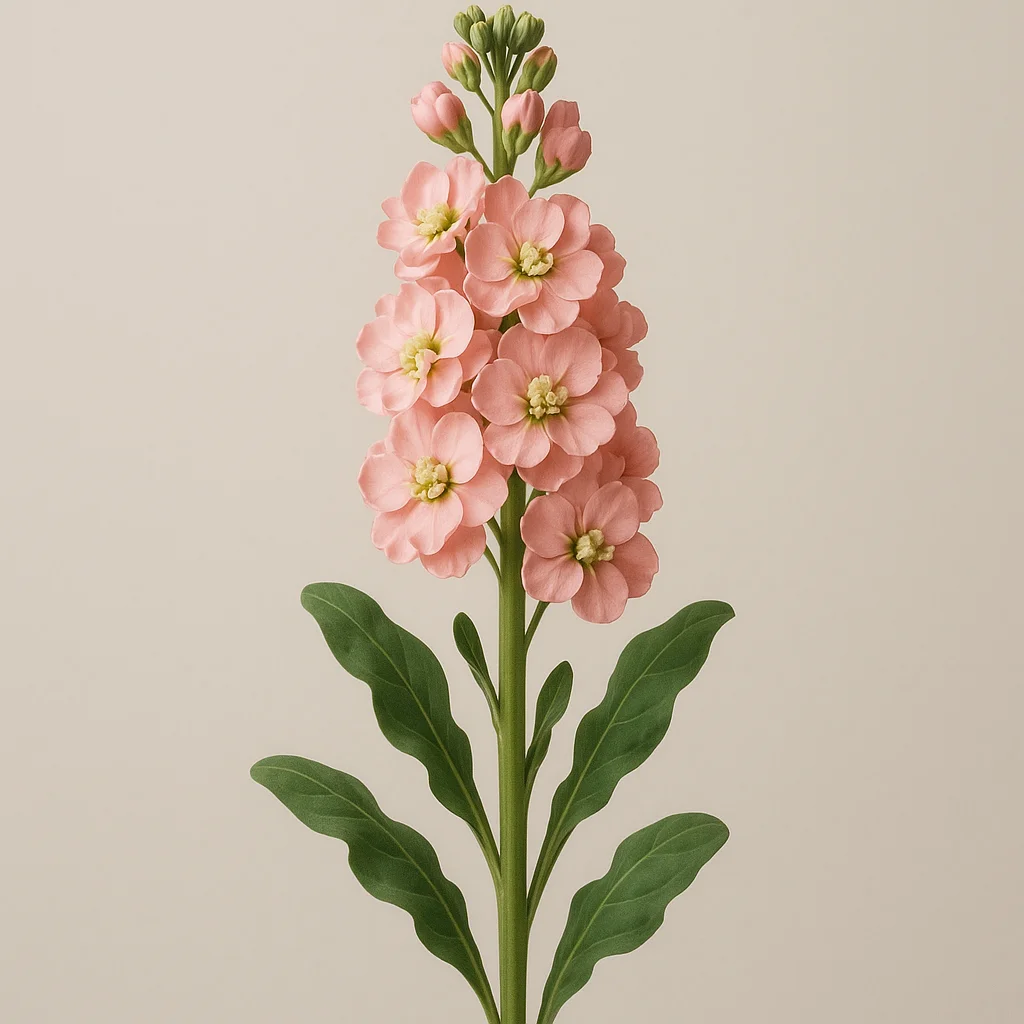
The stock flower belongs to the Brassicaceae family, which is commonly known as the mustard family. It is a biennial or perennial plant that is primarily cultivated as an annual in gardening contexts. Stock flowers are characterized by their sturdy, upright stems and dense clusters of fragrant flowers that bloom at the top. The leaves of the plant are typically lanceolate and covered in fine hairs, providing a subtle attraction even when the plant is not in bloom. Varieties of stock flowers come in a range of colors—including white, pink, purple, and red—making them a versatile addition to garden palettes.
🌍 Origin & Natural Habitat
Stock flower is native to the Mediterranean region, thriving naturally across Southern Europe and parts of North Africa. Its origins in these climates make stock flowers well-suited to regions with mild, dry weather, though they have also been successfully cultivated in temperate zones around the world. Due to its adaptability, the stock flower has spread far beyond its native habitat, gracing gardens in countries with suitable conditions for its growth.
📅 Blooming Season
The stock flower typically blooms in the cooler seasons of spring and early summer, providing an early splash of color when few other plants are in flower. Gardeners value stock flowers for their ability to bloom prolifically and maintain their stunning form across several weeks. In some climates, with careful planning, it’s possible to extend the blooming period slightly by selecting varieties known for their longer flowering time.
🌱 Growing & Care Tips
To grow stock flowers successfully, consider the following tips:
- Soil: Stock flowers prefer well-draining, fertile soil enriched with organic matter. A neutral to slightly alkaline pH is ideal.
- Sunlight: Full sun is best for stock flowers, although they can tolerate partial shade in hotter climates.
- Watering: Maintain consistent moisture, ensuring the soil is moist but not waterlogged. Overwatering can lead to root rot and other fungal diseases.
- Temperature: Stock flowers thrive in cooler temperatures, ideally between 55-70°F (13-21°C). They may require protection from intense summer heat in warmer regions.
- Feeding: A balanced, general-purpose fertilizer can be applied to support growth, particularly when blooming is initiated.
With these conditions met, stock flowers can grow vigorously and bring about a beautiful display of colors and scents.
✂️ Pruning & Maintenance
Pruning stock flowers are a crucial aspect of maintaining plant health and encouraging prolific blooms. Here are a few pointers:
- Deadheading: Regular removal of spent blooms encourages the plant to produce additional flowers and prolongs the blooming season.
- Thinning: Remove overcrowded stems to improve air circulation and reduce the risk of disease.
- Cut Back: After the flowering period ends, cutting back the plant can help it maintain a neat appearance and prepare it for the next growth cycle.
Consistent maintenance ensures that stock flowers remain healthy and vibrant throughout their growth period.
🌺 Symbolism & Cultural Meaning
Stock flower has rich symbolic meanings and cultural references. In the language of flowers, commonly known as floriography, stock is often associated with lasting beauty, a happy life, and promptness. It is a traditional favorite for use in bridal bouquets and other celebrations to signify bonds of fortunate relationships and eternal love.
Throughout history, poets and artists have incorporated the stock flower's image and essence into their works, underscoring its significance as a motif for purity and eloquence. As a result, the stock flower remains a favored choice for gifts and ornamental use in cultural ceremonies across different societies.
💐 Popular Uses & Arrangements
Stock flowers are highly versatile and frequently used in floral arrangements due to their sumptuous colors and sweet fragrance. Popular uses include:
- Wedding Bouquets: With their elegant and romantic blooms, stock flowers make an excellent choice for wedding arrangements and bridal bouquets.
- Cut Flowers: Their long-lasting blooms and alluring scent make stock flowers a popular choice for vase arrangements.
- Garden Borders: Stock flowers can create stunning borders and edgings, adding height and texture to garden beds.
- Indoor Displays: Potted stock flowers bring a burst of color and fragrance to indoor spaces, making them popular indoor plants.
Whether used alone or combined with other flowers, stock flowers enhance the beauty and atmosphere of any setting.
⚠️ Safety, Toxicity & Precautions
The stock flower is generally considered non-toxic and safe for humans and animals, making it a suitable choice for gardens and households with pets and children. However, it is always prudent to monitor interactions between plants and animals or young children to avoid any inadvertent ingestion, as individual sensitivities can vary.
To be on the safe side, handling the plant with clean hands and maintaining good gardening hygiene can prevent any minor irritation that might occur from prolonged contact with the plant’s foliage or sap.
📌 Summary
The stock flower is a striking and fragrant addition to any garden or floral arrangement. With its vibrant colors, ease of cultivation, and deep cultural significance, the stock flower continues to captivate the hearts of gardeners and floral enthusiasts. Whether you are looking to enhance your garden with its beauty or create exquisite arrangements for special occasions, the stock flower is an exceptional choice that offers both aesthetic and symbolic value.