🌸 Snowdrop
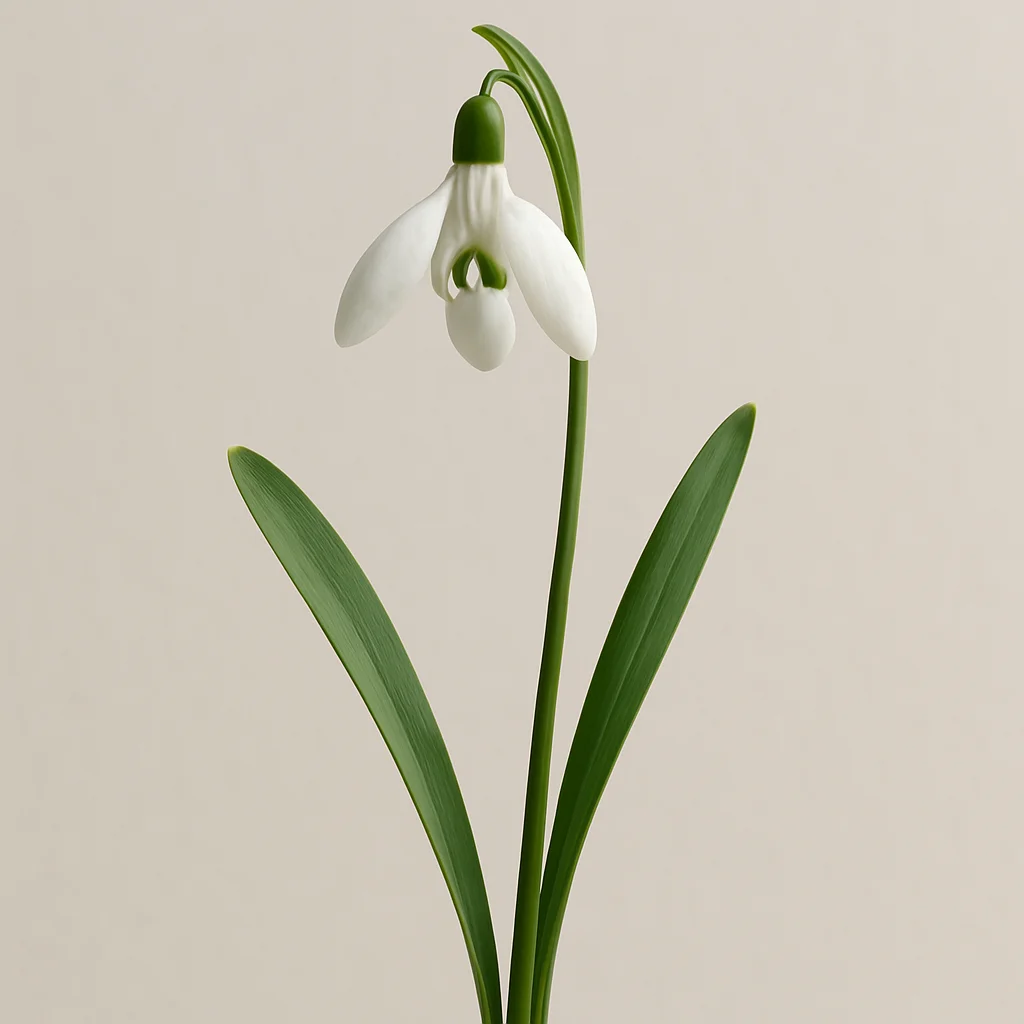
The Snowdrop, scientifically known as Galanthus, is a small yet enchanting flower that heralds the arrival of spring. Recognized for its pristine white petals and delicate appearance, the Snowdrop is highly celebrated in gardens and natural landscapes alike. This flower is often seen peeking through the snow, embodying the hope and resilience of nature as winter transitions into spring. The Snowdrop's beauty and symbolism have made it a favorite among gardeners, horticulturists, and floral enthusiasts worldwide.
🌼 Botanical Overview
The Snowdrop belongs to the family Amaryllidaceae and is comprised of approximately 20 species. These perennial plants characteristically possess a bulb from which linear leaves and flowering stems emerge. The flowers themselves are uniquely shaped, with six tepals arranged in two circles. Three outer white tepals encircle three shorter inner tepals, often marked with green tips. Common species include Galanthus nivalis, which is the most widely cultivated and recognized for its charming simplicity and cold-hardy nature.
🌍 Origin & Natural Habitat
The Snowdrop is native to Europe and the Middle East, with widespread introductions extending its range to regions of North America. Preferring cool climates, Snowdrops are typically found in woodlands, alongside rivers, and in shaded fields where the soil is rich in organic matter. Within its natural habitat, the full plant is visible during its blooming period, with the entire flower in frame and complete bloom and stem triumphantly piercing through the leaf litter or snow.
📅 Blooming Season
One of the defining aspects of the Snowdrop is its early blooming season. These flowers commonly begin their display in late winter to early spring, depending on the climate and species. For many, the sight of complete blooms and stems in the frame of frosty landscapes is a signal that spring is approaching. In milder climates, Snowdrop blooms may appear as early as January, sustaining through February and March, captivating onlookers who appreciate their delicate yet hardy nature.
🌱 Growing & Care Tips
Snowdrops are generally easy to cultivate, rewarding both novice and experienced gardeners alike with their delightful presence. Here are some essential growing and care tips:
- Soil Requirements: Plant Snowdrops in well-drained, fertile soil enriched with organic compost.
- Sunlight: While they can tolerate full sunlight, Snowdrops thrive best in partial shade with protection from hot afternoon sun.
- Watering: Maintain consistent moisture levels during the growing season but ensure the soil is not waterlogged.
- Planting Time: Bulbs should be planted in autumn, allowing them to establish roots before winter sets in.
- Spacing: Provide adequate spacing to ensure sufficient air circulation, typically about 3 inches apart.
✂️ Pruning & Maintenance
Simplistic in their needs, Snowdrops require minimal maintenance once established. However, proper care ensures healthy growth and proliferation:
- Deadheading: Remove spent blooms to promote bulb strength and prevent energy depletion.
- Foliage: Allow leaves to die back naturally before trimming, as foliage aids in bulb nourishment.
- Bulb Division: Divide densely packed clumps every few years post-blooming to prevent overcrowding and encourage flowering.
- Pest Control: Monitor for slugs and snails, which may damage young shoots.
🌺 Symbolism & Cultural Meaning
Throughout history, Snowdrops have been imbued with rich symbolism and cultural significance. Often associated with purity and rebirth, these flowers are emblematic of the transition from winter to spring. In some cultures, Snowdrops are seen as a symbol of hope and consolation, while in others, they are considered a harbinger of good fortune. Their delicate beauty and persistence in cold climates have inspired countless myths, poems, and artistic expressions.
💐 Popular Uses & Arrangements
With their understated elegance, Snowdrops add a touch of grace to floral arrangements and garden displays. Here are some popular uses and arrangements:
- Garden Borders: Plant Snowdrops in clusters for a naturalized look along pathways or beneath deciduous trees.
- Containers: Showcase Snowdrops in pots placed on patios or balconies for an uplifting early spring display.
- Cut Flowers: Incorporate Snowdrops in bouquets for weddings and special occasions, ensuring the complete bloom and stem are visible.
- Symbolic Gifts: Offer Snowdrops as a gift symbolizing hope and new beginnings, perfect for celebrations marking fresh starts.
⚠️ Safety, Toxicity & Precautions
While Snowdrops are enchanting, it is important to be aware of their potential toxicity. The bulbs contain alkaloids which can be harmful if ingested. Always exercise caution and keep the plant out of reach of pets and small children. When handling bulbs or cuttings, wearing gloves is advisable to avoid skin irritation. As with any plant, ensuring responsible and informed care will allow safe enjoyment of their beauty.
📌 Summary
In summary, the Snowdrop is a true herald of spring, known for its graceful appearance and resilient nature. Easy to grow and rewarding to behold, these flowers hold a cherished place in gardens and hearts worldwide. Whether admired in their natural settings or cherished in floral arrangements, Snowdrops encapsulate a spirit of renewal and beauty. Through understanding and appreciation, these flowers continue to inspire and enchant, flourishing as a timeless symbol of hope and new beginnings.