🌸 Ranunculus
The Ranunculus is a captivating genus of flowering plants cherished for their bright and vividly colored blooms. They are popularly known as buttercups and are a favorite among gardeners and florists alike. With their delicate, multi-petaled flowers and lush foliage, ranunculus blooms are highly valued in decorative arrangements and garden beds. This article will explore the allure of ranunculus, delve into their botanical characteristics, and provide useful tips on how to cultivate these enchanting flowers successfully.
🌼 Botanical Overview
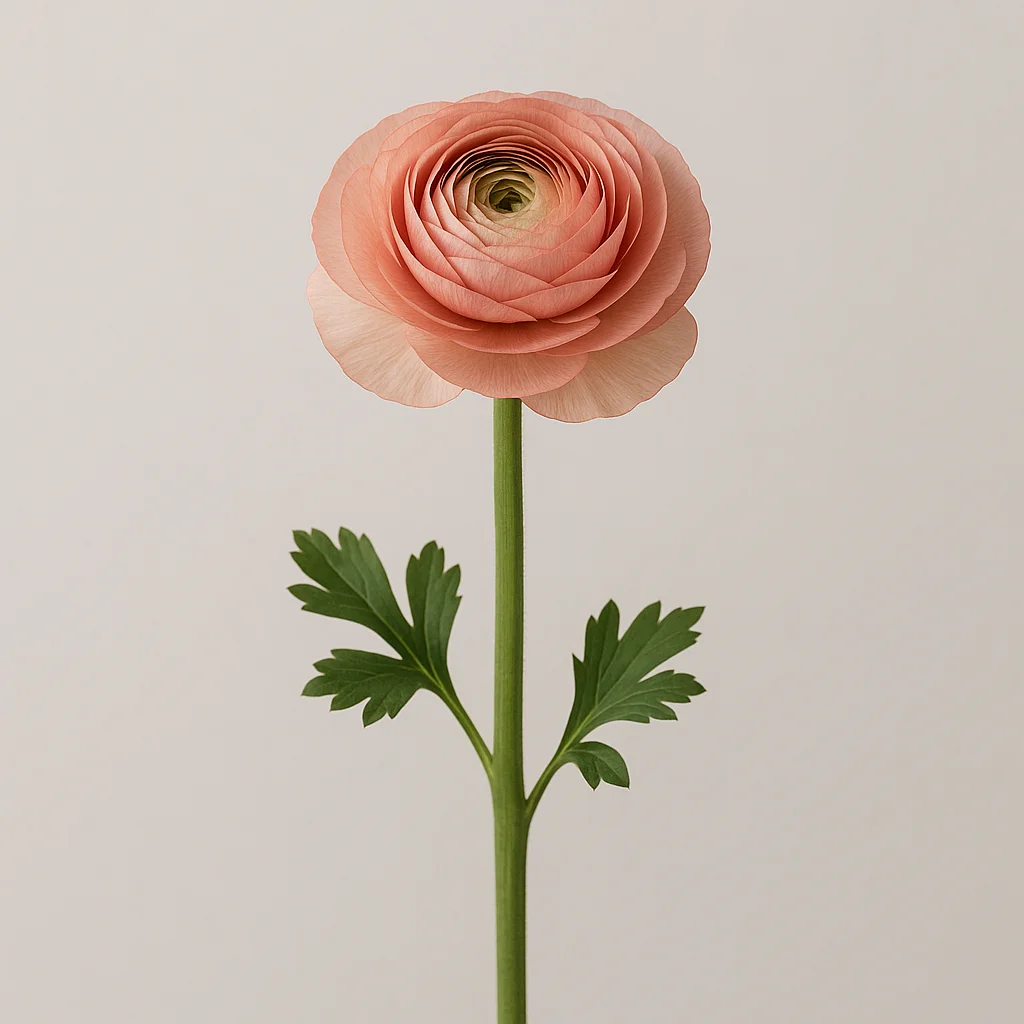
Ranunculus is a genus comprising over 600 species in the Ranunculaceae family. The flowers are characterized by their intricate layers of petals that form a lush, full bloom. Ranunculus flowers can be found in a wide array of colors, including pink, yellow, red, orange, and white, offering versatility in their use for decorative purposes. These perennials have a tuberous root system, with each plant producing multiple blooms on slender stems surrounded by green, lobed leaves.
A typical ranunculus plant grows to about 12 to 24 inches in height, making them an ideal for garden borders or pots. Full plant visibility in images reveals the elegant stems with lush foliage and smooth, layered petals forming complete blooms, creating an exquisite visual composition.
🌍 Origin & Natural Habitat
Ranunculus plants are native to a diversity of regions, spanning parts of Europe, southwestern Asia, and northwest Africa. They thrive in temperate climates and are often found in meadows, marshlands, and riverbanks. Over time, hybridization and cultivation have led to variations suited for different regions and climates, extending their beauty to gardens worldwide.
In their natural habitat, they are well-adapted to moist environments, flourishing in well-drained soil with consistent watering. Their resilience to various climates makes them adaptable yet ideal when grown under optimal conditions that imitate their native settings.
📅 Blooming Season
The blooming season for ranunculus typically occurs in the spring and extends into early summer. These flowers revel in the cool, mild temperatures of early spring when they can truly display their vibrant colors. Planting them in the fall ensures that they have enough time to develop strong root systems before the onset of their blooming season.
Complete plant visibility images during the blooming period showcase the full range of their stunning hues in sunlight, highlighting their dense arrangement of petals, making them a spectacular sight whether in your garden or as a statement in floral arrangements.
🌱 Growing & Care Tips
Growing ranunculus can be a rewarding experience, with the correct care and attention leading to beautiful blooming plants. Here are some essential tips for successful cultivation:
- Planting Location: Choose a site with full sunlight or partial shade, especially in hotter climates.
- Soil Conditions: Well-drained and fertile soil is crucial. Consider enriching the soil with organic matter to improve drainage.
- Watering: Consistent watering is important but avoid waterlogging, which can lead to root rot.
- Fertilization: Use a balanced, slow-release fertilizer to promote healthy growth and flowering.
- Spacing: Ensure adequate space between plants to allow for good air circulation.
Complete bloom and stem in images convey the health and vitality of well-cared-for ranunculus plants, showcasing layers of finely arranged petals.
✂️ Pruning & Maintenance
Pruning and maintenance are integral for encouraging continuous blooming and the overall health of ranunculus plants. Here are some tips for effective maintenance:
- Deadheading: Regularly remove spent blooms to encourage new growth and prolong the flowering period.
- Pruning: Trim back foliage after the flowering season to prepare them for dormancy.
- Pest control: Monitor for pests such as aphids or spider mites and take necessary action if they appear.
Ensuring the entire flower in frame, a freshly pruned ranunculus plant will display vibrant foliage and abundant blooms, indicative of diligent maintenance efforts.
🌺 Symbolism & Cultural Meaning
Ranunculus flowers hold various cultural and symbolic meanings across different traditions and societies. Often associated with radiant charm and dazzling beauty, these flowers are seen as symbols of attractiveness and are used to express admiration, appreciation, or allure. In some traditions, the layered petals signify complexity or the idea of standing strong amid challenges.
A comprehensive plant visible image might use the visual symmetry and layered texture as metaphors in cultural storytelling or artistic depictions, illustrating the blend of simplicity and elegance.
💐 Popular Uses & Arrangements
Renowned for their lush appearance, ranunculus flowers are a staple in floral design and decorating. Their diverse color palette makes them perfect for seasonal arrangements, weddings, or festive displays. Popular uses include:
- Bridal Bouquets: Elegant and colorful choices for weddings.
- Garden Features: Bold, eye-catching additions to garden borders and beds.
- Home Decor: Ideal for vase arrangements, adding a touch of class and color.
Complete plant in frame designs are essential when using ranunculus in arrangements, ensuring each bloom's intricacy is prominently featured to accentuate the overall display.
⚠️ Safety, Toxicity & Precautions
While visually alluring, it is important to exercise caution when handling ranunculus as they are mildly toxic. The plants contain compounds that can cause skin irritation upon contact or gastrointestinal discomfort if ingested by humans and pets. Here are some precautions:
- Handling: Wear gloves when pruning or arranging to prevent skin irritation.
- Pets and Children: Keep out of reach to avoid accidental ingestion.
Entire flower visible photographs can be utilized to educate and inform about potential hazards, highlighting their characteristics while ensuring a safe environment around these striking plants.
📌 Summary
The ranunculus is a flower that effortlessly combines beauty with versatility. Its enchanting appearance and array of colors make it a valued addition to any garden or floral arrangement. Understanding the plant's origin, care, and maintenance is essential for anyone hoping to capture the essence of ranunculus in their botanical endeavors. With proper knowledge and care, these flowers will enchant viewers season after season, providing vibrant displays of natural art.
A complete bloom and stem representation underscores these points, capturing the lasting allure and splendor of ranunculus plants, creating a visually and botanically enriching experience for all who behold them.