🌸 Quince Blossom
The Quince Blossom, known for its delicate beauty and enticing fragrance, is a flower that captures the attention of gardeners and flower enthusiasts alike. Originating from the flowering quince shrub, these blossoms are celebrated for their vibrant colors and charming appearance. Quince Blossoms have long been valued not only for their aesthetic appeal but also for the fascinating role they play in various cultural and traditional contexts. Their popularity continues to grow, making them a beloved choice for both ornamental gardening and floral arrangements.
🌼 Botanical Overview
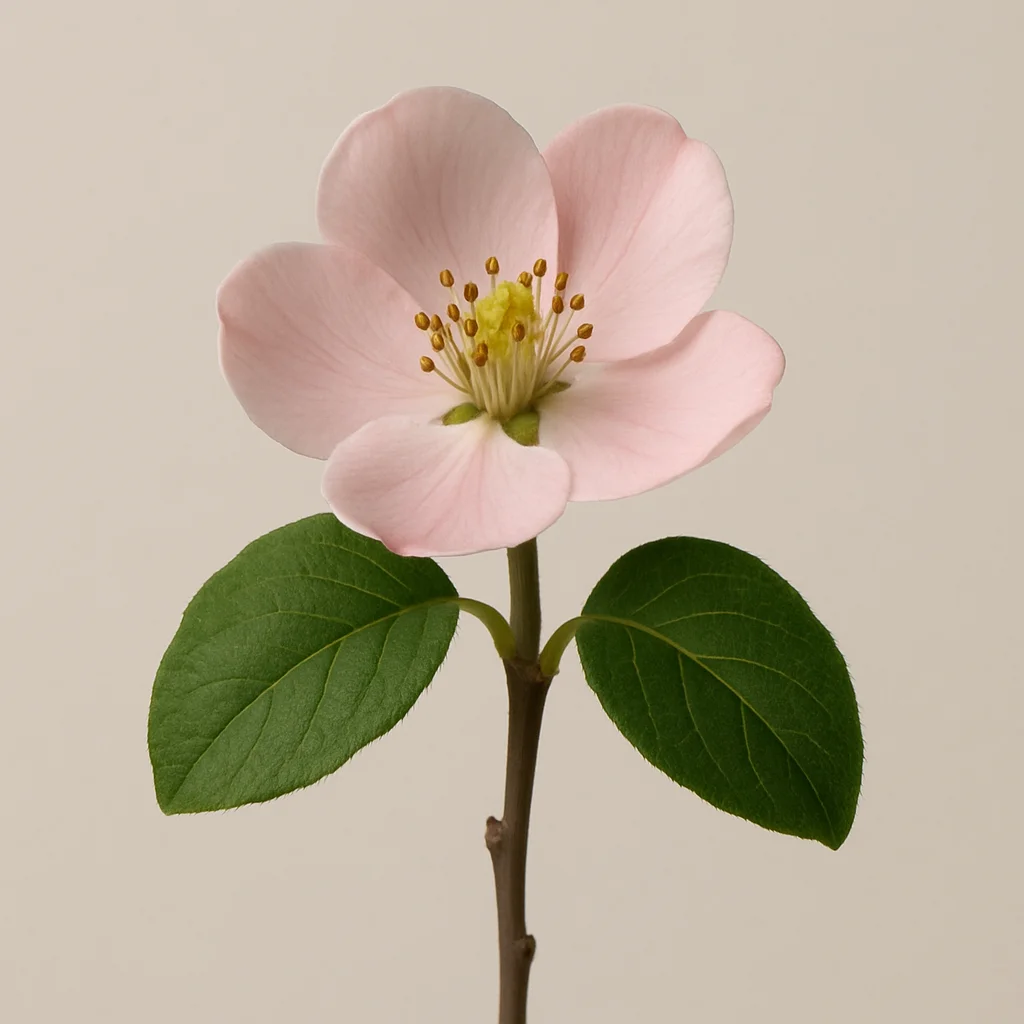
The botanical name for the Quince Blossom is Chaenomeles speciosa. This deciduous shrub belongs to the Rosaceae family and is closely related to apples and pears. The flowers of the quince plant bloom early in the spring, providing the first hint of color and life after the dormant winter months. Quince Blossoms exhibit a range of colors from pale pink, deep red, to bright orange, depending on the cultivar. The blooms are typically five-petaled and may cluster together in small groups along the branches, offering a stunning visual display.
- Family: Rosaceae
- Genus: Chaenomeles
- Species: C. speciosa
🌍 Origin & Natural Habitat
The Quince Blossom has its origins in Eastern Asia, particularly in China and Japan. It is in these regions that the flowering quince has been cultivated and hybridized over centuries. Typically found in temperate climates, quince shrubs thrive in areas with distinct seasons. Their natural habitat ranges from open valleys to forested hillsides, where they can receive adequate sunlight and well-drained soil. Different varieties have adapted to various conditions, contributing to their wide cultivation and popularity around the world.
📅 Blooming Season
The blooming season for Quince Blossoms generally starts in late winter or early spring, depending on the climate. In regions with mild winters, these blossoms may appear as early as February. In colder areas, blooming may be delayed until March or April. This early blooming makes the Quince Blossom an essential herald of spring, providing one of the first splashes of color in gardens and landscapes. Flowers may last for several weeks, depending on weather conditions, before giving way to foliage that lasts throughout the summer.
🌱 Growing & Care Tips
Quince shrubs are relatively easy to grow and care for, making them a great addition to any garden. Here are some tips for cultivating healthy Quince Blossoms:
- Soil: Quince prefers well-drained soil with a slightly acidic to neutral pH. Incorporating compost or organic matter can improve soil quality.
- Light: Full sun is ideal for flowering quince, as it encourages more prolific blooming. It can tolerate partial shade, but flower production may decrease.
- Watering: Regular watering is important, especially during dry spells. However, avoid waterlogging as it can cause root rot.
- Fertilization: A balanced fertilizer can be applied in early spring to support healthy growth and abundant blooms.
- Pests: Be mindful of aphids and spider mites, which can affect the plant's health.
✂️ Pruning & Maintenance
Pruning is an essential part of maintaining the beauty and health of a quince shrub. It helps shape the plant and remove any dead or damaged branches. Pruning should be done immediately after flowering to avoid cutting off next year's bloom buds. Here are some tips for effective pruning:
- Use sharp, clean tools to make precise cuts.
- Remove any crossing branches to prevent overcrowding and encourage airflow.
- Cut back older wood to encourage new growth.
- Maintain a open center to allow sunlight to reach inner branches.
🌺 Symbolism & Cultural Meaning
Quince Blossoms are rich in symbolism and cultural significance. In various cultures, these flowers are associated with attributes such as love, prosperity, and longevity. In Japan, the quince is often linked to good fortune and is a common motif in traditional art and decoration. In Western cultures, quince has been utilized in literature and art to symbolize fertility and beauty. The dual nature of its fruit and flower has generated various folkloric associations, making quince an enduring symbol of duality and transformation.
💐 Popular Uses & Arrangements
Quince Blossoms have found their way into many aspects of floristry and horticulture due to their striking appearance and robust nature. In floral arrangements, these blossoms add a splash of color and elegance. They are often paired with other spring flowers like tulips and daffodils to create vibrant bouquets. Their branches can also be forced indoors for early winter blooms, adding color to indoor spaces during colder months. Beyond ornamental use, quince shrubs are sometimes planted to create informal hedges or to enhance landscape designs with their vivid spring colors.
⚠️ Safety, Toxicity & Precautions
While Quince Blossoms are not typically considered toxic, the seeds and core of the quince fruit contain compounds that may release cyanide when crushed. This is generally only in significant quantities, so caution is advised when consuming fruit from a quince shrub. It is always a good practice to ensure proper handling and preparation. For those with sensitivities, it is wise to handle the plant with gloves, particularly when pruning, as some individuals may experience skin irritation.
📌 Summary
Quince Blossoms hold a special place in the hearts of many gardeners and flower enthusiasts due to their unique charm and vibrant beauty. From their early spring emergence to their symbolic meanings, these blossoms offer an array of reasons to be celebrated and appreciated. Whether grown as a decorative element in gardens or used in stunning floral arrangements, Quince Blossoms continue to captivate and inspire. Thanks to their easy cultivation and variety of applications, these blossoms are a versatile addition to both public and private gardens worldwide.