🌸 Phlox
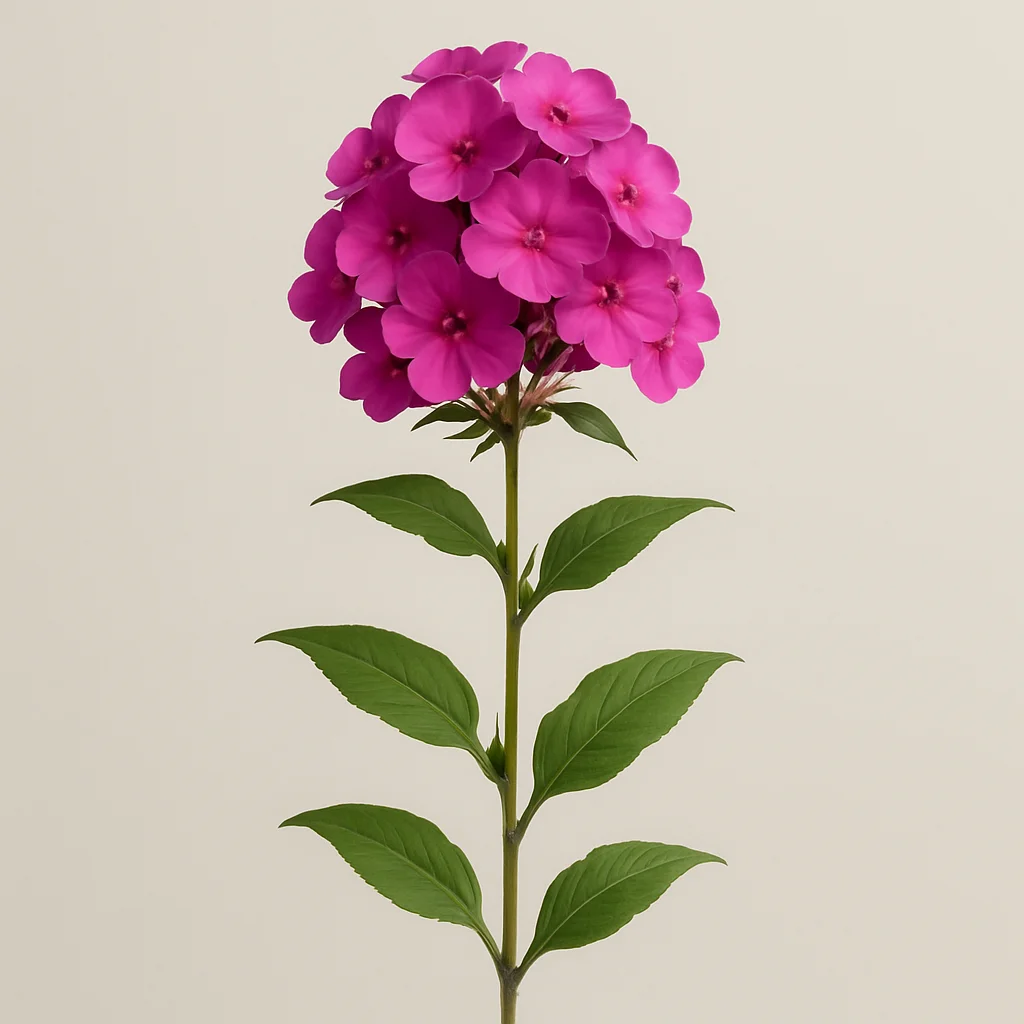
Phlox is a genus of flowering plants known for their vibrant and fragrant blossoms. These hardy and beautiful plants are commonly used in gardens for their ability to attract pollinators and add colorful splashes throughout various seasons. Phlox flowers can be found in a myriad of colors, including pink, purple, red, white, and blue. Their delicate, star-shaped blooms and versatility in different garden settings make them a favorite among gardeners and florists alike.
🌼 Botanical Overview
Phlox belongs to the Polemoniaceae family and comprises around 67 species, predominantly native to North America. These flowering plants can vary significantly in size and form, ranging from low-growing ground covers to tall, erect perennials. The majority of phlox varieties are herbaceous, providing lush greenery and colorful florets which contribute to a picturesque and fragrant garden environment.
- Height and Spread: Phlox can grow between 2-4 feet tall and spread about 1-2 feet wide, depending on the species and growing conditions.
- Flowers: Phlox flowers are typically five-petaled and can present in various vibrant colors, making them a popular choice for ornamental planting.
- Foliage: The leaves of phlox are simple, usually lance-shaped or oblong, and sometimes covered in fine hairs.
🌍 Origin & Natural Habitat
Phlox species are primarily native to North America, with a few species found in Siberia. They thrive in diverse environments, from alpine and woodland areas to open grasslands and mountain meadows. This adaptability to different habitats is one of the reasons why phlox is so versatile and widely grown across various climatic regions.
- Wild Habitat: In the wild, phlox can be found growing in well-drained soils, often in sunlit areas or lightly shaded woodlands where they can take advantage of at least partial sun exposure.
- Soil Preference: They prefer rich, loamy soil but are remarkably tolerant of less ideal conditions, provided that drainage is adequate.
📅 Blooming Season
The blooming season for phlox largely depends on the species and climatic conditions, but generally, these plants exhibit spectacular blooms from spring to late summer. This prolonged blooming period adds a lasting vibrancy and charm to gardens and landscapes throughout the growing season.
- Early Varieties: Some types of phlox, such as the creeping phlox, often begin blooming in early spring, offering an early splash of color.
- Summer Varieties: Perennial phlox varieties typically bloom from midsummer onwards, with their colorful display lasting well into the fall.
🌱 Growing & Care Tips
Growing phlox is relatively straightforward, but attention to certain care routines can ensure vigorous growth and healthy flowering. These plants can be started from seed or propagated through division, making them a user-friendly choice for gardeners of all skill levels.
- Planting: Phlox should be planted in a location where they receive plenty of sunlight. Ensure the soil is well-drained and enriched with organic material.
- Watering: Regular watering is essential, especially during dry spells, although care should be taken to avoid waterlogging which can lead to root rot.
- Fertilization: Applying a balanced fertilizer in early spring can promote healthy growth and abundant blooming.
✂️ Pruning & Maintenance
Pruning is an essential practice in maintaining the health and appearance of phlox plants. Proper pruning encourages new growth, prevents disease spread, and extends the blooming period.
- Deadheading: Regularly removing spent flowers can enhance the plant's appearance and promote continuous blooming.
- Cutting Back: At the end of the flowering season, stems should be cut back to the base to prepare the plant for winter and encourage robust growth in the spring.
🌺 Symbolism & Cultural Meaning
Phlox has been long cherished for its beauty and fragrant presence. In the language of flowers, phlox symbolizes harmony, partnership, and unity. The vibrant blooms are often associated with the qualities of affection and sweet dreams, making them featured in intimate and meaningful floral arrangements.
- Historical Significance: Phlox has been included in gardens since colonial times, valued for its vivid colors and lasting blooms.
- Cultural Associations: In various cultures, phlox is a symbol of compatibility and a reminder of the bonds between friends and loved ones.
💐 Popular Uses & Arrangements
Phlox flowers are a prominent choice in landscaping, floral arrangements, and garden designs due to their diverse form and color palette. The pleasant fragrance and visual appeal make them a popular accessory plant in various settings.
- Garden Design: Phlox can be used as ground cover, border plants, or focal points in mixed flower beds. Their height and color can be utilized effectively in layered plant designs.
- Floral Arrangements: In cut flower arrangements, phlox adds a touch of elegance and charm, complementing roses, daisies, and other ornamental flowers.
⚠️ Safety, Toxicity & Precautions
Phlox is generally considered non-toxic to both humans and pets, making it a safe addition to household gardens. However, as with any plant, individuals with plant allergies should handle phlox with care.
- Pet-Friendly: Phlox poses little risk to animals, although it is always good practice to observe pets for any adverse reactions when introducing new plants into their environment.
- Handling Advice: When gardening, using gloves can prevent skin irritation for those with sensitive skin.
📌 Summary
Phlox are a versatile and appealing choice for establishing colorful and dynamic landscapes. With their wide range of colors, ease of care, and adaptability to various environments, phlox plants offer both aesthetic beauty and a rich addition to the ecological tapestry of any garden. Their historical and cultural significance further cements their place as a cherished blossom in botanical and personal settings alike. Whether you're an experienced gardener or just beginning, integrating phlox into your garden can provide lasting joy and vibrant blossoms for seasons to come.