🌸 Peony
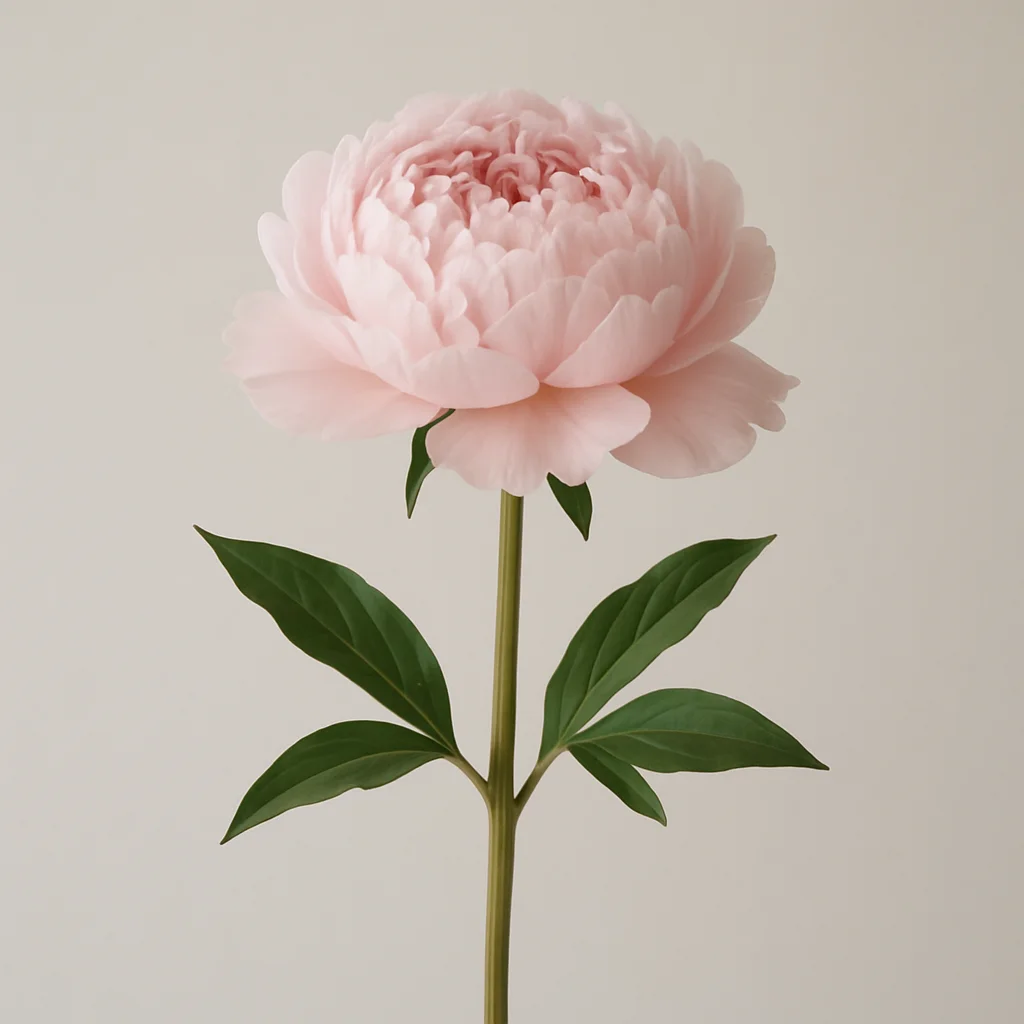
The peony is a beloved flower known for its lush, full blooms and a variety of colors. With their extravagant layers of petals and delightful fragrance, peonies have captured the hearts of gardeners and florists around the world. Their majestic appearance makes them a popular choice for gardens and floral arrangements. Beyond their aesthetic appeal, peonies hold deep cultural significance in many regions, symbolizing prosperity, honor, and romance.
🌼 Botanical Overview
Peonies belong to the family Paeoniaceae, with the genus Paeonia housing about 30 species. These perennial plants are native to Asia, Europe, and western North America. There are three main types of peonies: herbaceous peonies, tree peonies, and Itoh (intersectional) peonies. Herbaceous peonies are the most common, with perennial roots and stems that die back each season, while tree peonies have woody stems that remain year after year. The Itoh peonies are hybrids between herbaceous and tree peonies, offering the best attributes of both types.
🌍 Origin & Natural Habitat
The origin of peonies traces back to a range of climates across Eurasia. The flowers grow naturally in regions characterized by cold winters and warm summers, reflecting their adaptability to various environments. Native peonies have been found in countries such as China, where they have been cultivated for over 2,000 years, as well as in parts of Europe, like France and Spain. The peony thrives in temperate zones, preferring well-drained soils with plenty of organic matter.
📅 Blooming Season
Peonies are typically spring bloomers, with most varieties bursting into full bloom from late spring through early summer. Depending on the specific region and climate, some varieties may start blooming as early as April and continue through June. The blooming period for each variety usually lasts for about 7-10 days, with different species offering staggered bloom times, allowing gardeners to enjoy a succession of blossoms throughout the spring and early summer months.
🌱 Growing & Care Tips
To grow healthy peonies, select a planting site that receives at least 6-8 hours of full sunlight per day. While peonies are hardy and adaptable, they prefer well-drained, fertile soil. Adding compost or well-rotted manure to the soil at the time of planting can encourage vigorous growth. Space plants about 3-4 feet apart to allow for adequate air circulation.
Regular watering is essential, especially during dry spells, but ensure that the soil is not waterlogged, as peonies do not thrive in standing water. Mulching around the base can help to retain moisture and keep weed growth in check.
✂️ Pruning & Maintenance
Pruning peonies is a straightforward task. After the blooms have faded, deadhead the flowers to prevent seed development and encourage root growth. In late fall, after the first frost, cut back herbaceous peonies to ground level. Tree peonies require minimal pruning; simply remove any dead or weak branches in early spring to maintain shape.
Divide peony clumps every 5-10 years, when the plant is dormant, to prevent overcrowding and maintain flower production. Careful handling of the roots and eyes during division will help the plant adapt quickly to its new setting.
🌺 Symbolism & Cultural Meaning
Peonies have held cultural and symbolic meaning across different societies. In China, they are regarded as the "king of flowers" and symbolize wealth, honor, and prosperity. Often associated with royalty and nobility, peonies appear in traditional Chinese art and literature. In Western culture, they symbolize romance, compassion, and beauty. The peony's rich past and breathtaking appearance make it a favored flower for weddings, symbolizing love and good fortune.
💐 Popular Uses & Arrangements
Peonies are highly prized in floral arrangements, thanks to their luxurious blooms and vibrant colors. They are a popular choice for bridal bouquets, centerpieces, and altar decorations, providing a touch of elegance and romance. The full plant visible in arrangements ensures that the complete bloom, stem, and leaves create a graceful portrait.
Peonies also complement other flowers like roses, lilies, and delphiniums, adding texture and depth to any floral composition. Often chosen for events and celebrations, their versatility allows them to adapt effortlessly to both contemporary and traditional themes.
⚠️ Safety, Toxicity & Precautions
While peonies are generally safe to handle, they can cause mild skin irritation in sensitive individuals. Wearing gloves when handling or pruning the plant is a good practice to avoid any adverse reactions. Though non-toxic to humans, peonies can be harmful if ingested by pets. Keep the plant out of reach of cats and dogs to prevent any potential health issues.
📌 Summary
Peonies, with their exquisite beauty, rich cultural significance, and relative ease of care, make a memorable addition to any garden or floral display. Their enduring popularity stems from their visual appeal and the timeless elegance they bring to landscapes and events. Understanding the proper care and cultivation of peonies can help gardeners and enthusiasts ensure that these iconic flowers continue to thrive and enchant for years to come.