🌸 Pansy
The pansy is a beloved garden flower treasured for its vivid colors and charming appearance. Known for its heart-like shape and overlapping petals, the pansy is not only visually captivating but also versatile and resilient. Its ease of care and ability to thrive in a variety of climates make it a popular choice among gardeners and landscape designers alike.
🌼 Botanical Overview
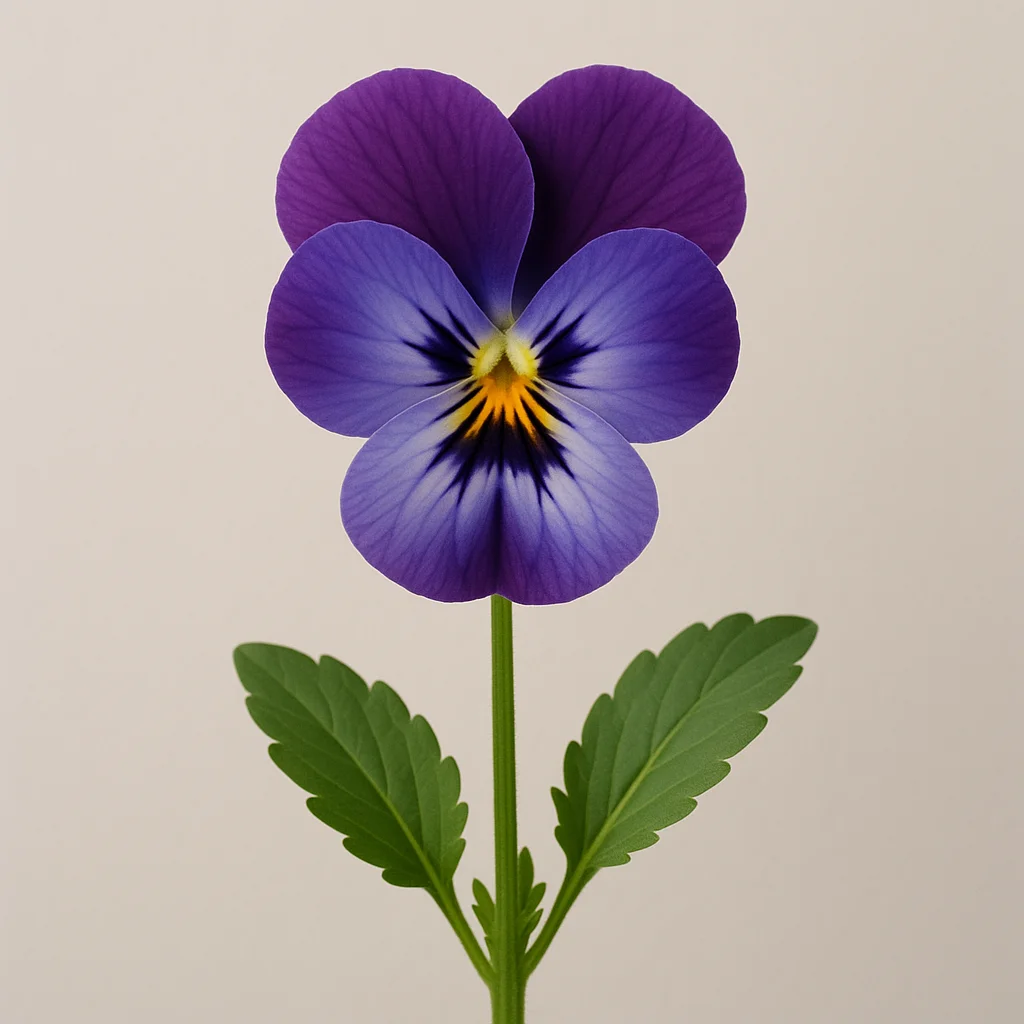
The pansy, scientifically known as Viola × wittrockiana, belongs to the family Violaceae. It is a hybrid flower developed from several species within the genus Viola, including Viola tricolor. Typically, pansies grow between 6 to 9 inches tall and feature a multitude of vibrant colors such as purple, yellow, blue, white, and combinations with intricate patterns. The flowers boast five rounded petals, with the plant as a whole having a compact and bushy appearance.
Pansies are known for their distinctive blotches or "faces," often appearing on the petals. These markings add character to the flowers, allowing gardeners to create lively and colorful displays. The leaves are generally green, ovate, and slightly serrated, complementing the vivid blooms.
🌍 Origin & Natural Habitat
Originating from Europe, the pansy emerged from the crossbreeding of several wild tricolor violets in the 19th century. Since then, it has been introduced to various parts of the world and adapted into numerous horticultural varieties. These plants thrive in temperate climates and are frequently found in gardens, public parks, and urban landscapes.
Pansies naturally grow in regions with moderate climates, where they flourish in partial sun and well-drained soil. They have adapted well to cooler conditions, making them ideal for fall and spring planting in many areas. Their robust nature allows them to tolerate a wide range of environments, contributing to their widespread cultivation.
📅 Blooming Season
Pansies are known for their extended blooming season, providing color from early spring until late fall in many regions. In cooler climates, they may even bloom during mild winter months. The key to their long flowering period is their ability to withstand cooler temperatures, allowing them to survive frost and rejuvenate as the weather warms.
This extended blooming season makes pansies a favorite for seasonal planting, enabling gardeners to enjoy continuous bursts of color throughout much of the year. To maintain a vibrant display, it is beneficial to deadhead spent flowers and provide ample water and nutrients.
🌱 Growing & Care Tips
Growing pansies successfully involves providing the right conditions for them to thrive. Here are some essential care tips:
- Soil: Pansies prefer loose, well-drained soil rich in organic matter. Amending garden soil with compost or peat moss can help improve its quality.
- Light: Plant pansies in a location that receives ample sunlight but with some afternoon shade in warmer climates to prevent wilting.
- Water: Consistent moisture is crucial, though overwatering should be avoided. Water at the base to prevent foliage diseases.
- Fertilization: Use a balanced fertilizer to promote healthy growth and flowering. An application every few weeks during the growing season is sufficient.
By meeting these basic requirements, gardeners can ensure their pansies display vibrant blooms and robust foliage throughout their growing season.
✂️ Pruning & Maintenance
Proper pruning and routine maintenance of pansies aid in encouraging a fuller and more abundant flowering display. Here are some maintenance tips:
- Deadheading: Regularly remove spent blooms to encourage new flower production and prevent the plant from going to seed.
- Pinching: Pinch back leggy stems to promote bushier growth.
- Cut-back: In mid-season, cut back stems by about one-third if plants are overgrown or flowering decreases significantly.
These maintenance practices help in managing the plant's growth habit and extending the flowering period, ensuring a lush and colorful garden throughout the pansies' blooming season.
🌺 Symbolism & Cultural Meaning
The pansy carries rich symbolism and cultural meanings across various societies. It is often associated with themes of remembrance and thoughtfulness, largely owing to its name derived from the French word "penser," meaning "to think." This symbolism makes it a popular choice in floral arrangements meant to convey affection, consideration, and remembrance.
Furthermore, in Victorian floriography, the pansy was a symbol of secret love or admiration, adding depth to its romantic associations. As one of the first flowers to bloom in spring, the pansy is also considered a symbol of hope and new beginnings.
💐 Popular Uses & Arrangements
Pansies are extensively used in various horticultural settings owing to their vibrant colors and adaptability:
- Garden Beds: They are planted in garden beds to create eye-catching seasonal displays.
- Containers: Pansies thrive in pots and containers, perfect for decorating patios and balconies.
- Borders and Edges: Used as border plants, they add a splash of color along pathways and garden edges.
- Edible Decorations: With their edible flowers, pansies are sometimes used as colorful garnishes in culinary presentations.
Whether in formal gardens or informal patio arrangements, pansies' cheerful faces are a welcome sight.
⚠️ Safety, Toxicity & Precautions
Pansies are generally considered safe and non-toxic to humans and pets, making them a suitable choice for family gardens where young children or animals may roam. However, it's always good practice to supervise young children around any garden plants to prevent unintended ingestion.
The flowers are edible and used in culinary dishes for decoration, but it's essential to ensure they have been grown without the use of harmful pesticides or chemicals before consumption.
📌 Summary
The pansy is a versatile, charming flower that enhances any garden with its array of colors and patterns. Its rich history, coupled with easy maintenance, makes it a horticultural favorite worldwide. From symbolizing thoughtfulness and remembrance to its resilient nature, the pansy continues to be a beloved part of gardens, landscapes, and cultural traditions everywhere. Whether you are planting them in borders, containers, or culinary displays, pansies offer a delightful addition to any environment.