🌸 Magnolia
The Magnolia is a beloved flowering plant known for its striking blossoms and broad, glossy leaves. These flowers have captivated botanists and gardeners alike for centuries. Offering both beauty and resilience, Magnolias are popular in gardens and landscapes across the globe. Their blossoms are synonymous with spring and early summer, making them a cherished symbol of the season. This article delves into the unique characteristics, care requirements, and cultural significance of the Magnolia, providing insights into this magnificent plant.
🌼 Botanical Overview
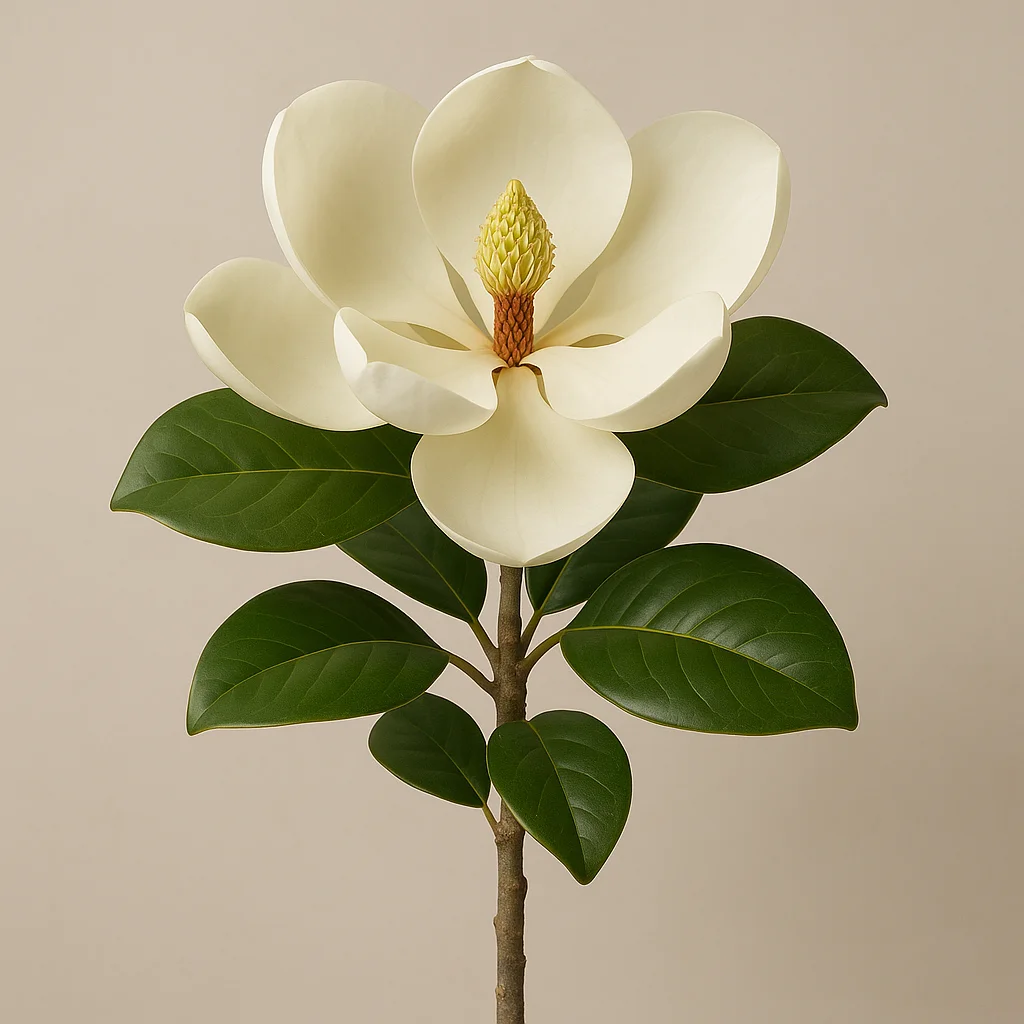
Magnolias belong to the family Magnoliaceae, a diverse group of trees and shrubs. The most common species include Magnolia grandiflora (Southern Magnolia), known for its large white flowers and glossy green leaves, and Magnolia stellata (Star Magnolia), which boasts delicate, star-shaped flowers. Each variety offers a unique appeal, ranging in flower color from pure white to pinks, purples, and yellows.
The Magnolia flower is distinctive for its large, fragrant blooms and simple, elegant petals. Botanically speaking, they are an ancient genus of plants, dating back millennia and remaining relatively unchanged. This longevity is evident in their hardy nature and adaptability to various climates.
🌍 Origin & Natural Habitat
Magnolias are native to both Asia and the Americas, with a rich diversity of species found in China, Japan, and the southeastern United States. These regions provide the moderate climates and fertile soils that Magnolias favor. The plant's natural habitat typically includes woodlands and riverbanks, where they benefit from ample moisture and dappled sunlight.
Given their extensive range, Magnolias display remarkable adaptability. While some species are best suited for colder climates, others thrive in more temperate regions, making them a versatile choice for gardeners worldwide.
📅 Blooming Season
The blooming season of Magnolias is one of their most enchanting features. Generally, they bloom in late winter to early spring, often heralding the arrival of warmer weather. However, certain species, like the Southern Magnolia, may bloom intermittently throughout the summer.
The timing of Magnolia blooms can vary depending on the species and climatic conditions. Gardeners can select specific types to ensure a prolonged blooming period, creating a stunning, continuous display of color in their gardens.
🌱 Growing & Care Tips
Magnolias are relatively low-maintenance plants, but they do have some specific requirements for optimal growth. Here are some tips to help ensure your Magnolias thrive:
- Soil: Magnolias prefer well-drained, slightly acidic soil. Amending soil with organic matter can enhance its fertility and drainage.
- Sunlight: While some varieties can tolerate partial shade, most Magnolias require full sun to produce abundant blooms.
- Watering: Established Magnolias are drought-tolerant but benefit from regular watering, particularly during dry spells. It's essential to prevent waterlogging around their roots.
- Planting: When planting a Magnolia, ensure ample space for root expansion and pick an area sheltered from harsh winds, which can damage flowers and branches.
✂️ Pruning & Maintenance
Pruning a Magnolia requires a gentle approach, as excessive cutting can harm these elegant plants. Here are some guidelines:
- Timing: Prune Magnolias shortly after they finish blooming. Cutting too late in the season may remove next year's flower buds.
- Technique: Use clean, sharp pruning tools to remove dead wood and shape the plant. Avoid cutting too close to the trunk to prevent damage.
- Training: Young trees can be trained to develop a strong framework by selecting a central leader and evenly spaced lateral branches.
Regular maintenance, including the removal of fallen leaves and debris around the base of the tree, will help prevent disease.
🌺 Symbolism & Cultural Meaning
Throughout history, Magnolias have symbolized purity, nobility, and perseverance. In various cultures, they are seen as a sign of dignity and grace, often featured in ceremonies and celebrations as emblems of beauty and strength.
In Chinese culture, Magnolias represent femininity and gentleness, while in the southern United States, they are often associated with traditional Southern charm and elegance.
💐 Popular Uses & Arrangements
Magnolias are a favored choice for ornamental gardens due to their impressive blooms and fragrant aroma. They can serve as striking focal points in garden design or be planted along borders and pathways to create a captivating display.
Furthermore, cut Magnolia branches and flowers make stunning, long-lasting arrangements in floral displays. Their robust petals and unique scent add elegance to weddings, banquets, and home decor.
⚠️ Safety, Toxicity & Precautions
While Magnolias are generally safe for humans and pets, it is always advisable to be cautious. Some individuals may experience mild allergic reactions to the pollen. If you plan to bring Magnolias indoors, ensure proper ventilation to dissipate any strong fragrances or allergens.
As with any plant, it's essential to monitor pets and young children to prevent accidental ingestion, although Magnolias are not known to be highly toxic.
📌 Summary
In conclusion, Magnolias are magnificent additions to any landscape. Their stunning blooms, rich history, and minimal maintenance needs make them ideal for gardeners seeking beauty and elegance. Understanding their growing conditions and unique characteristics ensures that Magnolias will continue to thrive and enchant for generations. Whether you’re adding them to your garden or using them in decorative arrangements, Magnolias truly stand out as a symbol of natural splendor.