🌸 Lily of the Valley
The Lily of the Valley, known scientifically as Convallaria majalis, is a perennial plant admired for its delicate, bell-shaped white flowers and enchanting fragrance. Often associated with purity, happiness, and humility, this charming plant has captured the hearts of gardeners and floral enthusiasts around the globe. Widely used in perfumes and wedding bouquets, Lily of the Valley is more than just a pretty plant. It holds a deep historical and cultural significance, making it a fascinating subject for both amateur and professional botanists alike.
🌼 Botanical Overview
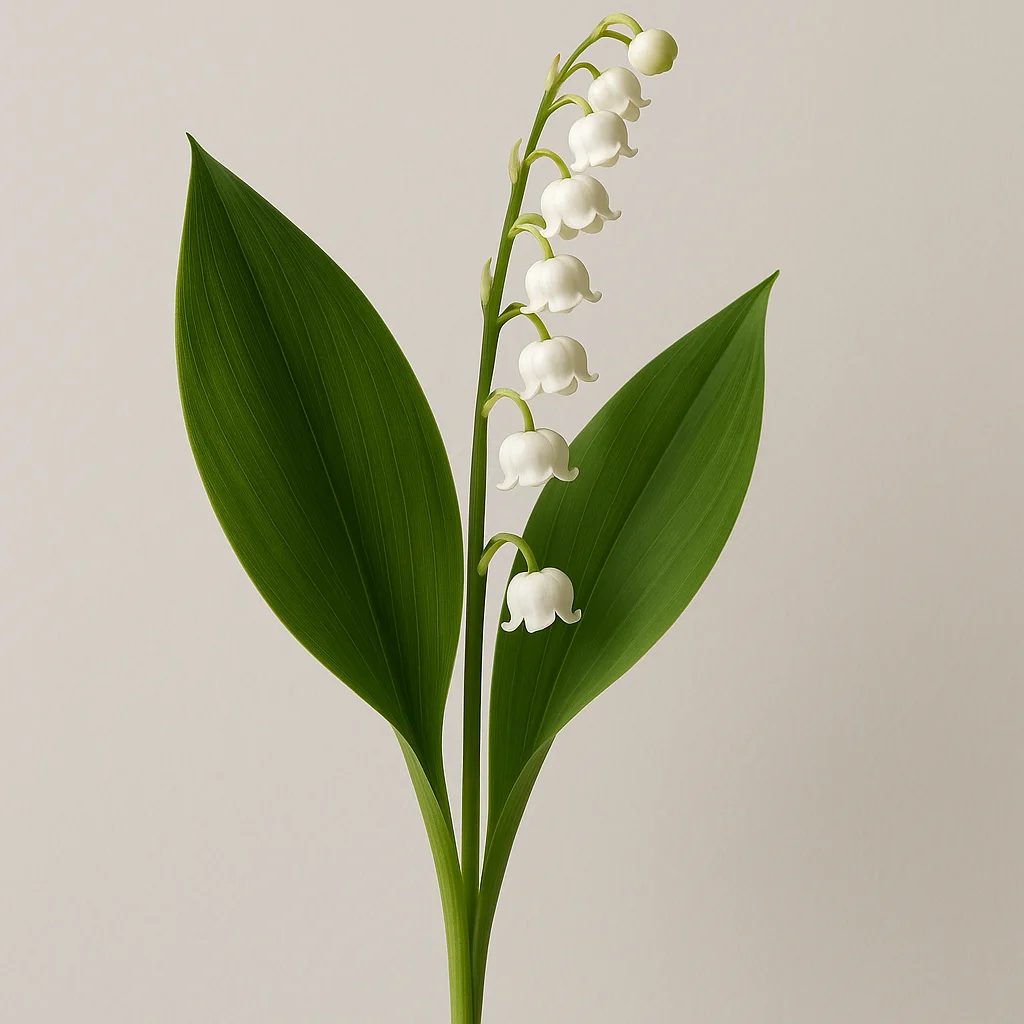
The Lily of the Valley belongs to the Asparagaceae family and is distinguished by its sweetly scented, nodding flower spikes. Typically ranging in height from 15 to 30 centimeters (6 to 12 inches), the plant features two broad, lance-shaped leaves from which the flower stems rise. Each stem produces a raceme of drooping, white, bell-shaped flowers, with six tiny petals merging to form their iconic shape. The plant's simplicity, along with its signature fragrance, contributes to its widespread appeal.
- Scientific Name: Convallaria majalis
- Common Names: Lily of the Valley, May Bells, Our Lady's Tears
- Plant Type: Perennial
- Family: Asparagaceae
- Flower Color: Typically white, sometimes pink
🌍 Origin & Natural Habitat
Lily of the Valley is native to the cool temperate regions of the Northern Hemisphere in Asia, Europe, and North America. It thrives in woodland settings, shaded hillsides, and along the edges of forests where it forms expansive colonies. The plant's natural preference for well-drained, cool soil rich in organic matter mirrors its typical habitat in the wild. This affinity for shade and moisture has allowed it to become a popular choice for woodland and shade gardens worldwide.
📅 Blooming Season
In most climates, the Lily of the Valley blooms in late spring, usually around May. This is why it is sometimes called "May Bells." The bloom period is relatively short, typically lasting only a few weeks, but during this time, the plant becomes a striking spectacle with its arching flower stems and lush, deep green foliage. After the flowers fade, red berries may appear, providing an additional ornamental feature.
🌱 Growing & Care Tips
For gardeners interested in cultivating Lily of the Valley, understanding its growing needs is essential to success. Here are some care tips to help your plants thrive:
- Soil: Prefers rich, well-drained soil with plenty of organic matter. Adding compost or aged manure can improve soil quality.
- Light: Best suited to partial to full shade environments. Too much sun can scorch the leaves and reduce flowering.
- Watering: Keep the soil consistently moist but not waterlogged. The plant requires more water during dry periods.
- Spacing: Allow at least 6 inches between plants to ensure proper air circulation and reduce the risk of disease.
- Fertilization: Fertilize with a balanced, slow-release fertilizer in early spring to encourage flowering.
- Propagation: Easily propagated by division in the fall or early spring. Dividing the rhizomes every few years can help maintain plant vigor.
✂️ Pruning & Maintenance
Regular maintenance can enhance the beauty and longevity of Lily of the Valley plants. While they are generally low-maintenance, these tips can help maintain their health and appearance:
- Pruning: Remove spent flower stems to encourage fresh growth and prevent seed formation. Dead or brown foliage should also be removed to keep the plant looking tidy.
- Weeding: Regularly remove weeds from around the plants to reduce competition for nutrients and water.
- Pest Control: Keep an eye out for common pests such as slugs and snails. Using organic pest control methods can help mitigate these issues.
- Mulching: Applying a layer of mulch can help conserve moisture and regulate soil temperature.
🌺 Symbolism & Cultural Meaning
Lily of the Valley holds significant symbolic meanings in various cultures. It is a symbol of springtime renewal and is often associated with motherhood. In Christian tradition, it is sometimes referred to as "Our Lady's Tears," believed to have sprung from the tears of the Virgin Mary at the crucifixion of Jesus. The flowers are also considered to represent the return of happiness, making them a popular choice for bridal bouquets and spring festivals.
In France, Lily of the Valley is celebrated on May 1st, known as "La Fête du Muguet," where it is customary to give small bouquets to friends and family as a token of good luck and happiness. This cultural practice underscores the plant's enduring appeal and positive associations.
💐 Popular Uses & Arrangements
Thanks to its elegant blossoms and sweet fragrance, Lily of the Valley is a popular choice for ornamental use in gardens and floral arrangements. The flowers are commonly used in bridal bouquets due to their symbolism of purity and happiness, adding a timeless elegance to wedding celebrations.
The plant also contributes to gardens designed with fragrance in mind. Its ability to spread and form dense ground cover makes it an excellent choice for carpeting shady areas, enhancing garden aesthetics with both visual appeal and aromatic charm.
⚠️ Safety, Toxicity & Precautions
While the Lily of the Valley is admired for its beauty and pleasant scent, it is important to note that all parts of the plant are toxic if ingested. The plant contains cardiac glycosides, which can cause serious symptoms such as nausea, vomiting, and heart problems if consumed. As such, it should be planted with caution in gardens frequented by pets or small children.
Gardeners handling the plant should also consider wearing gloves, as the sap can be irritating to the skin. Washing hands thoroughly after working with the plant is advised.
📌 Summary
Lily of the Valley is a plant that combines visual grace with deep cultural and symbolic significance. From its delicate white blossoms that herald the arrival of spring, to its sweet scent that perfumes the air, it holds a cherished place in gardens and floral arrangements. Through its rich history, cultural lore, and horticultural allure, Lily of the Valley continues to captivate and inspire those who cultivate and admire it.
By understanding its growing requirements, managing its care effectively, and respecting its toxic nature, gardeners and flower enthusiasts can enjoy the full beauty and essence of Lily of the Valley in both garden settings and floral designs. Its timeless appeal ensures that it remains a beloved feature in the world of botanical wonders.