🌸 Lilac
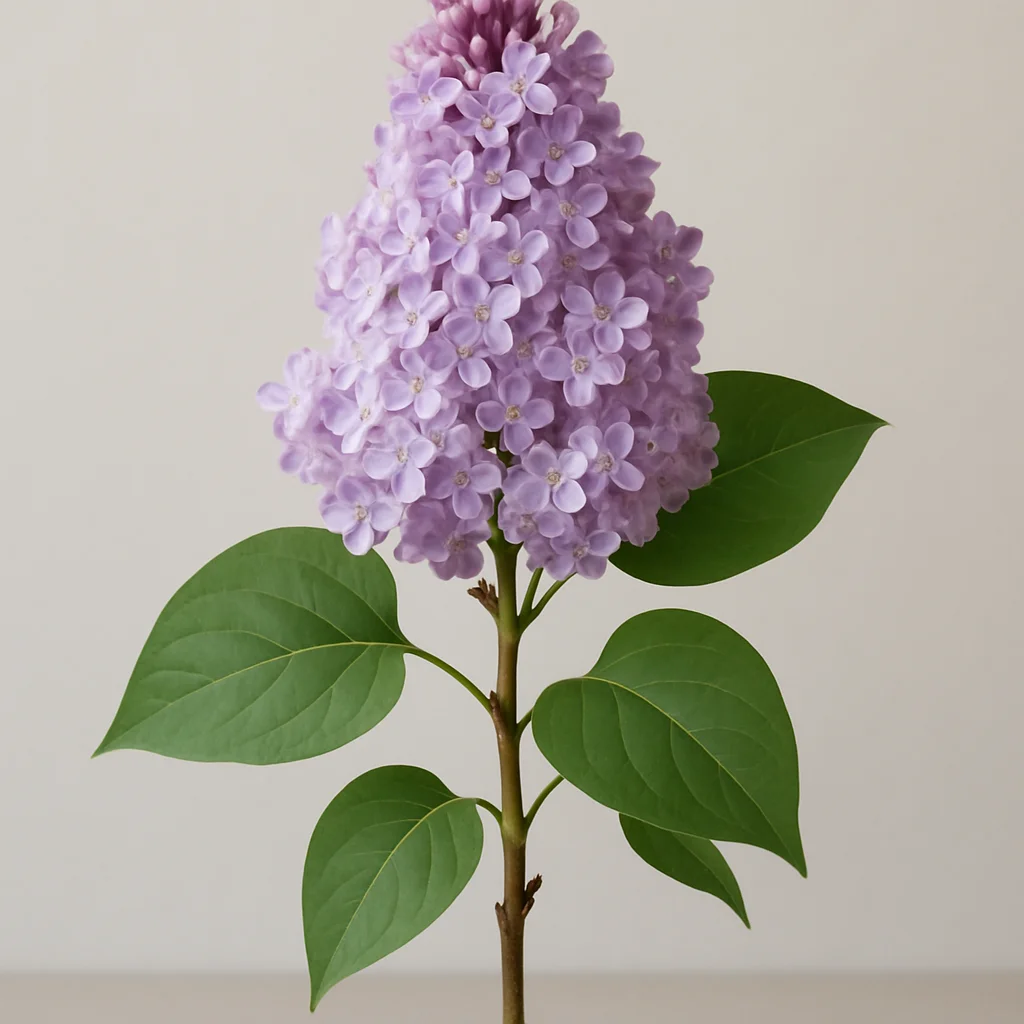
The lilac, a beloved flowering plant cherished for its enchanting fragrance and delicate blossoms, is a staple in gardens around the world. Known for its stunning clusters of flowers that range in color from pale lavender to deep violet, the lilac is a symbol of spring and renewal. It is celebrated not only for its beauty, but also for its hardiness and relatively easy care, making it a favorite among gardeners and floral enthusiasts.
🌼 Botanical Overview
Syringa, commonly known as lilac, belongs to the Oleaceae family, which includes olives, ash trees, and forsythia. This genus comprises roughly a dozen species of deciduous shrubs or small trees that are native to Europe and Asia. The most commonly cultivated species is Syringa vulgaris, which is renowned for its fragrant and picturesque blooms. Lilacs have opposite leaves and panicles of small, tubular flowers that grow in showy clusters, providing visual and olfactory delight when in full bloom.
🌍 Origin & Natural Habitat
Lilacs are native to the woodland regions of southeastern Europe to eastern Asia. The common lilac species, Syringa vulgaris, originates from the Balkan Peninsula. These hardy shrubs thrive in well-drained soils and prefer sunny environments, although they can adapt to partial shade. They have been extensively cultivated and naturalized in temperate regions across the globe, thriving in gardens from North America to Europe to Japan.
📅 Blooming Season
One of the most charming aspects of lilacs is their blooming season, which heralds the arrival of spring. The blossoms usually appear in late April to early June, depending on the climate and location. The flowers typically last for two to three weeks, with exact timing influenced by the specific species and weather conditions. This relatively short blooming period makes their appearance even more eagerly anticipated each year.
🌱 Growing & Care Tips
Growing lilacs can be a rewarding experience for both novice and experienced gardeners. Here are some essential care tips to ensure robust growth and beautiful blooms:
- Sunlight: Lilacs require full sun, meaning at least six hours of direct sunlight per day. This exposure promotes abundant flowering and enhances the plant's health.
- Soil: They prefer well-drained, slightly alkaline soil. Amending soil with organic matter can improve drainage and fertility.
- Watering: While lilacs are drought-tolerant once established, regular watering is necessary, especially during dry spells, to encourage healthy growth and blooms.
- Fertilization: An annual application of a balanced fertilizer in early spring can support vigorous growth, but excessive fertilization can lead to poor flowering.
✂️ Pruning & Maintenance
Pruning is an important part of maintaining a healthy lilac shrub. The following guidelines can help optimize their growth and flowering:
- Timing: Prune lilacs immediately after flowering, as they set buds for the next season soon after the current blooms fade.
- Technique: Remove spent blooms to discourage seed formation, which can detract energy from next year's blooms. Trim back older, woody stems to promote new growth.
- Rejuvenation: Overgrown lilacs may benefit from rejuvenation pruning, where a third of the oldest stems are cut back to the ground over three years.
Regular maintenance through pruning not only enhances visual appeal but also promotes the health and longevity of the plant.
🌺 Symbolism & Cultural Meaning
Lilacs carry rich symbolism and cultural significance. In many traditions, they symbolize the renewal of spring and the innocence of youth. The delicate blossoms and sweet scent evoke nostalgia and romance, often associated with love and emotion. In folklore, gifting lilacs can represent an early or unspoken love.
💐 Popular Uses & Arrangements
Lilacs are popular in floral arrangements and as garden plants due to their appealing aesthetic and fragrance. Here are some common uses:
- Garden Specimen: Often planted as standalone features or as part of a flowering hedge, they provide a beautiful display during the spring.
- Cut Flowers: As cut flowers, lilacs exude their fragrance indoors and serve as a charming addition to spring bouquets.
- Perfume and Cosmetics: The essence of lilacs is frequently used in perfumes and cosmetics to capture their fresh and floral aroma.
Their versatility ensures that lilacs can be enjoyed in a variety of settings, both indoors and outdoors.
⚠️ Safety, Toxicity & Precautions
While lilacs are generally considered safe and non-toxic to humans and pets, it is always best to keep them out of reach of curious animals and children who might ingest parts of the plant. Some individuals may experience mild skin irritation from handling lilac plants, so wearing gloves can be a simple precaution. Always use clean tools when pruning to prevent potential infections or diseases in the plant.
📌 Summary
The lilac is a captivating plant that offers both exceptional beauty and enchanting fragrance. Originating from regions in southeastern Europe and Asia, it has found its way into gardens worldwide. With appropriate care and maintenance, including adequate sunlight, good soil, and timely pruning, lilacs can thrive and bloom abundantly. Their symbolism, history, and practical uses extend their allure beyond just aesthetics. Whether enjoyed in a garden or as part of a bouquet, the lilac is a perennial favorite that continues to enchant with its simple elegance and aromatic blooms.