🌸 Iris
The Iris is a captivating genus of flowering plants with striking aesthetics that have fascinated gardeners and botanists alike. Known for their vibrant colors and complex structures, Irises comprise a wide family that includes various species grown for home gardens and decorative uses. Their beauty, combined with adaptability, makes them a favorite among plant enthusiasts and floral designers around the world.
🌼 Botanical Overview
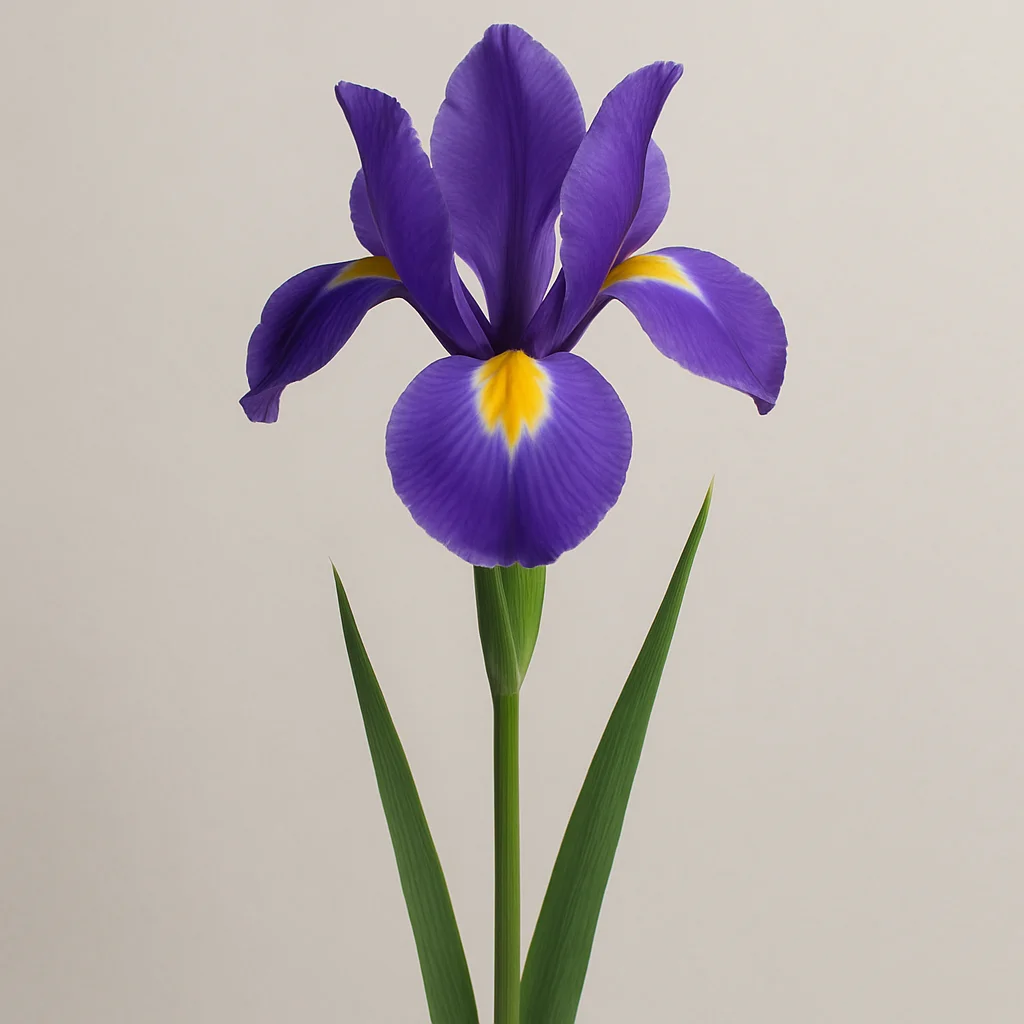
Irises belong to the family Iridaceae, encompassing approximately 300 species. They are primarily perennial plants, meaning they live for more than two years. Characterized by their showy blooms, the flowers typically possess three large outer petals known as "falls" and three inner petals called "standards." This unique petal arrangement gives the Iris its distinctive and visual appeal, drawing the attention of humans and pollinators alike. The colors of Iris flowers range from deep purples, blues, and yellows to whites and reds, making them an attractive addition to any garden palette.
- Scientific Name: Iris
- Family: Iridaceae
- Common Varieties: Bearded Iris, Siberian Iris, Dutch Iris
The Iris plant's foliage is typically long, sword-shaped, and dark green, providing a lush backdrop that further enhances their blooms when the full plant is visible. These features not only contribute to their popularity in gardening but also make them a recurring motif in art and mythology.
🌍 Origin & Natural Habitat
The Iris genus is widely distributed across the Northern Hemisphere, with a significant presence in Europe, Asia, and North America. The plants are naturally found in a variety of habitats ranging from cold regions to subtropical areas. They can thrive in different environmental conditions, which contributes to their widespread cultivation. Wild Irises are often seen growing in meadows, along riverbanks, and on hillsides.
The adaptability of Irises allows them to colonize various landscapes, creating spectacular displays where the entire flower in frame stands out against its natural surroundings. Their hearty nature and preference for well-drained soil make them an ideal choice for gardeners looking to introduce a touch of elegance and resilience to their plant selections.
📅 Blooming Season
Irises are primarily known for their spring blooming, although certain species extend their flowering into early summer. Generally, the blooming season of an Iris depends on its specific variety:
- Bearded Iris: Late spring to early summer
- Siberian Iris: Early to midsummer
- Dutch Iris: Late spring
During the blooming period, the complete bloom and stem of Irises create vibrant displays that are both visually arresting and beneficial for attracting pollinators such as bees and butterflies. Each type of Iris will have its unique time within the flowering window, making it possible for enthusiasts to enjoy an extended season by planting a variety of species together.
🌱 Growing & Care Tips
Growing Irises can be a rewarding and relatively straightforward endeavor, especially for gardeners who understand their basic needs. To cultivate a thriving Iris plant, consider the following care tips:
- Sunlight: Irises prefer full sun to partial shade. Aim for at least six hours of sunlight per day for optimal growth.
- Soil: Well-draining soil is crucial as Irises are prone to root rot in overly moist conditions.
- Watering: Regular watering is necessary until they are established. Once settled, Irises require less frequent watering.
- Fertilizing: Apply a balanced fertilizer in the early spring to promote healthy blooms and vigorous growth.
By adhering to these basics, gardeners can enjoy the full plant beauty of their complete blooms. Furthermore, Irises are generally low maintenance, making them an excellent choice for both novice and experienced horticulturists.
✂️ Pruning & Maintenance
Pruning and regular maintenance are key to ensuring the longevity and appearance of Iris plants. Here are some tips to keep your Irises looking their best:
- Deadheading: Remove faded flowers promptly to encourage continuous blooming and prevent the plant from expending energy on seed production.
- Leaf Maintenance: Trim back any yellow or dry leaves to maintain a tidy appearance.
- Rhizome Care: Every three to five years, divide the rhizomes to prevent overcrowding and promote healthy growth.
With proper care, including the removal of spent blooms and routine maintenance, Irises can provide vibrant displays year after year, with entire flowers showcasing their colors in frame throughout the season.
🌺 Symbolism & Cultural Meaning
The Iris holds a rich symbolic history and cultural significance across various civilizations. In ancient Greece, Irises were named after the goddess Iris, the messenger between gods and humans. This association highlights the plant’s connection to communication and divine messages. Moreover, the Iris symbolizes wisdom, faith, and hope, with different colors representing unique meanings:
- Purple: Royalty and wisdom
- Blue: Hope and faith
- White: Purity and innocence
These symbolic meanings contribute to the ongoing popularity of Irises in art and literature, where their complete blooms are often depicted in their full glory, serving as a muse for creative expression around the world.
💐 Popular Uses & Arrangements
Irises are frequently employed in various arrangements and decorative uses due to their striking appearance and variety of colors. Here are some common applications:
- Garden Design: As versatile border plants, their full plant presence in gardens is appreciated for creating structure and color interest.
- Cut Flowers: Considered excellent for arrangements because of their unique beauty and long stems.
- Floral Bouquets: Often used in combination with other flowers to convey specific meanings based on their rich symbolism.
Whether planted as focal points in landscapes or arranged in bouquets, Irises add an elegant touch to any setting, their complete forms adding visual appeal wherever they appear.
⚠️ Safety, Toxicity & Precautions
While Irises are celebrated for their beauty, it is important to note that they can be toxic if ingested. Both humans and animals may experience discomfort if parts of the plant are consumed. Here are some safety tips:
- Pets: Keep Irises out of reach from pets that might chew on plants.
- Children: Educate children on avoiding consumption of unknown plants in the garden.
- Handling: Wash hands carefully after handling Iris plants to avoid skin irritation.
Overall, responsible handling and mindfulness ensure that everyone can safely enjoy the lush beauty of Irises without concern, with their complete blooms safely appreciated in frame.
📌 Summary
The Iris is a cherished member of the botanical world, known for its vibrant and vast array of colors, symbolic meanings, and adaptability. From thriving in various habitats across the globe to becoming a staple in garden design and floral arrangements, the complete presence of Irises continues to beautify our surroundings and inspire admiration. By understanding and adhering to optimal care practices, gardeners can ensure that this remarkable flower remains a centerpiece of visual delight and cultural significance in their gardens and homes alike.