🌸 Hyacinth
The Hyacinth is a beloved flower known for its stunning clusters of fragrant blooms and vibrant colors. Its appeal extends beyond just its beauty; the Hyacinth is also cherished for its rich symbolic meanings and its ability to thrive in a variety of gardening environments. This article explores the fascinating world of Hyacinths, covering everything from their botanical attributes to their cultural significance.
🌼 Botanical Overview
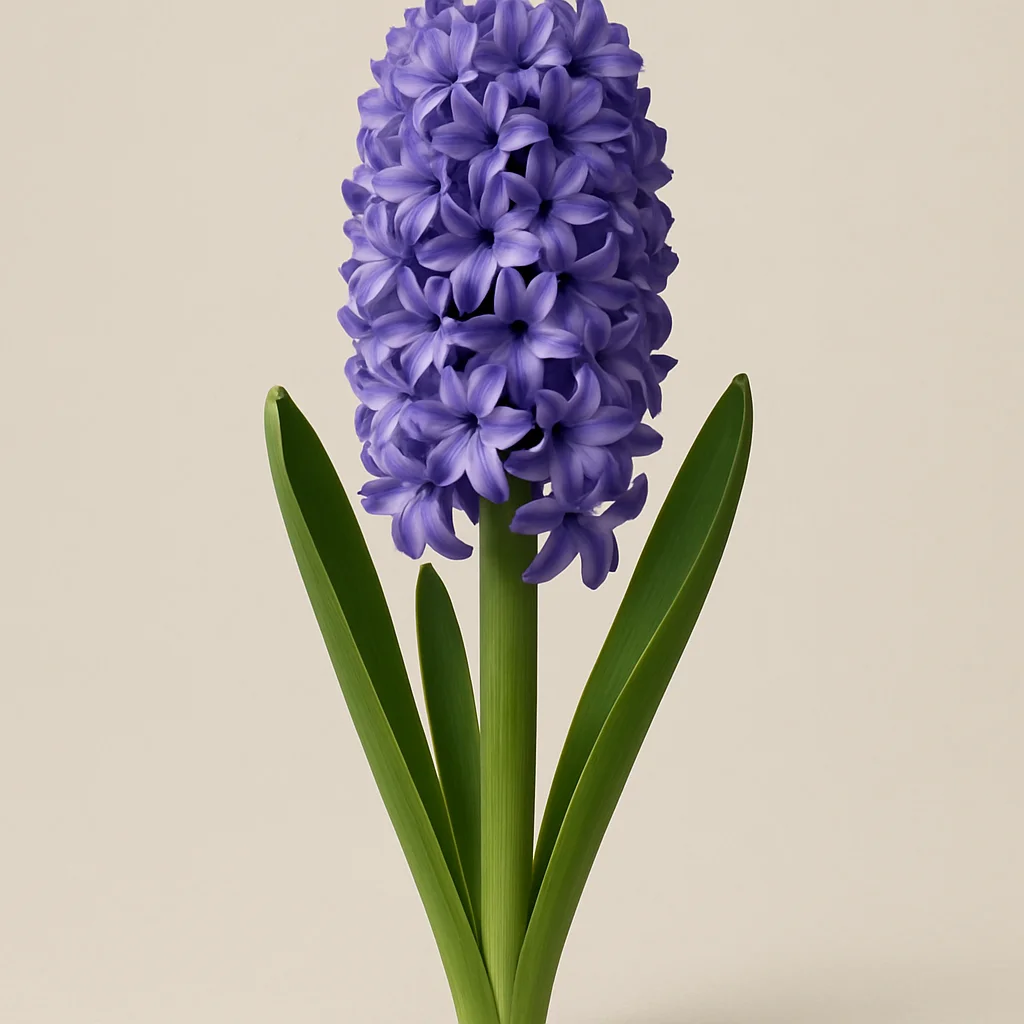
The Hyacinth, scientifically referred to as Hyacinthus orientalis, belongs to the family Asparagaceae. This genus is known for its bulbous growth and displays a remarkable array of colors, including deep blues, purples, pinks, reds, whites, and yellows. Each bulb typically sends up one to three dense spikes of flowers, which makes them a popular choice among gardeners and flower enthusiasts.
Hyacinths have linear, strap-shaped leaves that are usually glossy and dark green. The complete bloom and stem feature strikingly geometric flowers densely clustered along the spikes, creating a full, lush appearance when the entire flower is in frame. This characteristic makes them particularly attractive for gardeners looking to add a splash of color to their landscapes.
🌍 Origin & Natural Habitat
Originally native to the eastern Mediterranean region, including parts of Turkey, Syria, and Lebanon, the Hyacinth has enjoyed a long history of cultivation dating back to antiquity. Nowadays, it is extensively grown in various parts of the world, treasured for its ability to adapt to different climates and soil conditions. In wild habitats, complete Hyacinth plants are often found thriving on slopes, in scrubs, and rocky areas with well-drained soil, illustrating their hardy nature and adaptability.
📅 Blooming Season
Hyacinths typically bloom during the springtime, with flowering beginning in early to mid-spring. The blooming season is one of the reasons for their popularity, as they bring color to gardens just as the winter chill starts to wane. With proper care and conditions, the entire flower in frame will exhibit a magnificent array of blooms, delighting gardeners with its fragrance and vibrant palette that encapsulate the essence of spring.
🌱 Growing & Care Tips
Successfully growing Hyacinths involves understanding their unique requirements. Here are some essential tips for cultivating Hyacinths:
- Planting Location: Choose a sunny spot with well-draining soil. Avoid areas where water tends to accumulate, as hyacinth bulbs are prone to rot in damp conditions.
- Soil Requirements: Hyacinths prefer slightly acidic to neutral soil. Enhance drainage and fertility by incorporating organic material such as compost into the soil.
- Watering: Ensure the plants receive regular watering, particularly during dry spells, but avoid overwatering.
- Fertilization: Apply a balanced fertilizer during the fall or spring to provide the bulbs with necessary nutrients for flowering.
- Light Conditions: While they thrive in full sun, Hyacinths can also tolerate partial shade, making them versatile for different garden setups.
✂️ Pruning & Maintenance
Proper pruning and maintenance are integral to the longevity and health of Hyacinths:
- Deadheading: Remove spent flower spikes by cutting them down to the base. This encourages the plant to direct energy towards strengthening the bulb for the following year.
- Leaf Care: Allow the foliage to die back naturally. This period is crucial for the bulb to store energy for future blooms. Complete bloom and stem care ensure robust flowering each spring.
- Bulb Care: After leaves have browned and dried, lift and store the bulbs in a cool, dry place if necessary, especially in regions with harsh conditions. This step preserves bulbs for replanting the next season.
🌺 Symbolism & Cultural Meaning
The Hyacinth holds various symbolic meanings and has played significant roles in different cultures. In Greek mythology, it is linked to Hyacinthus, a beautiful youth admired by the god Apollo. The flower is said to have sprung from Hyacinthus's blood after a tragic accident, symbolizing rebirth and the cycle of life.
In modern symbolism, Hyacinths represent“constancy,” peace, and beauty. Each color variation carries its unique message: blue signifies sincerity, purple represents sorrow or forgiveness, and white conveys purity or respect. These rich meanings make Hyacinths a popular choice for gardens and floral arrangements, allowing for the expression of emotion through floral design.
💐 Popular Uses & Arrangements
Hyacinths hold a prestigious place in floral design due to their striking displays and rich fragrance. Here are their popular uses:
- Garden Borders: With their vibrant blooms, Hyacinth plants create captivating borders and accents in garden beds, providing a complete, structured look.
- Potted Displays: Planted bulbs in pots can bring color and fragrance indoors or enhance outdoor terraces and patios.
- Bouquets & Arrangements: As cut flowers, Hyacinths add texture and aroma to bouquets and centerpiece arrangements. Their sturdy stems and showy blooms present beautifully when the entire flower is in frame.
- Naturalizing: In suitable climates, Hyacinths may also be used for naturalizing areas, allowing them to establish and multiply year after year, providing a long-term, sustainable display.
⚠️ Safety, Toxicity & Precautions
While Hyacinths are prized for their beauty, they must be handled with care due to their toxic properties. The bulbs, in particular, contain oxalic acid, which can cause skin irritation or allergic reactions in sensitive individuals. When planting or handling, it is advisable to wear gloves and thoroughly wash hands afterward.
Ingestion of parts of the Hyacinth plant, especially bulbs, can be harmful to pets and humans, potentially causing gastrointestinal distress. Therefore, it is essential to keep these plants out of reach of children and animals to prevent accidental consumption.
📌 Summary
The Hyacinth is a treasured addition to any garden, bringing with it a burst of color and fragrance that signals the arrival of spring. Its rich history, symbolism, and versatility in garden design make it a favorite among gardeners and floral enthusiasts. With the right care and attention, Hyacinths can thrive and add elegance and interest to any landscape. As with any plant, understanding their needs for growth and potential risks is key to ensuring a successful and safe gardening experience.