🌸 Hawthorn Blossom
The Hawthorn Blossom, belonging to the genus Crataegus, is a captivating flower cherished for its beauty and significant role in folklore and traditional practices. Known for its delicate clusters of blooms and the sweet fragrance that fills the air, the Hawthorn Blossom is a symbol of hope and renewal. Popular in gardens and landscapes, this botanical wonder is a favorite choice for those seeking to add elegance and seasonal charm to their surroundings. Understanding its unique characteristics and care requirements can help plant enthusiasts make the most of its breathtaking presence.
🌼 Botanical Overview
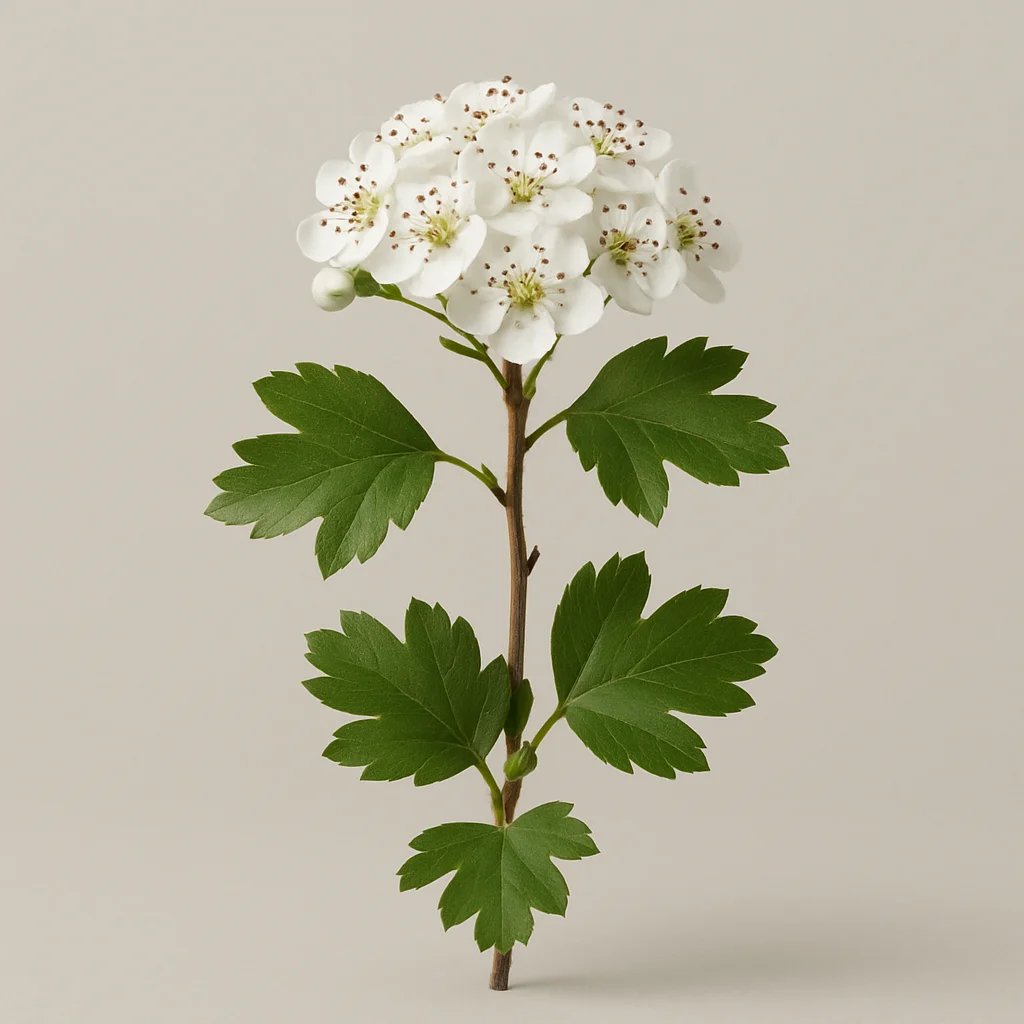
The Hawthorn is a member of the Rose family, Rosaceae. This connection is evident in its bright blossoms, which often come in shades of white or pink. Each small flower comprises five petals surrounding a bundle of stamens, creating a delightful contrast with its glossy green leaves. A typical full plant visible image showcases the entire flower in frame, from buds to fully bloomed flowers, plus its rich, green foliage that provides a lush background.
Hawthorn trees and shrubs vary significantly in height, typically reaching anywhere from 5 to 25 feet tall, depending on the species and growing conditions. They are adorned with spiny branches, which give them a protective yet picturesque appearance. In the fall, these plants often bear small, red pomaceous fruits called haws, adding to their ornamental appeal.
🌍 Origin & Natural Habitat
Native to temperate regions of North America, Europe, and Asia, the Hawthorn has been a part of the landscape for centuries. Thriving in woodland edges, hedgerows, and open fields, it is well adapted to diverse environmental conditions. Complete bloom and stem images ensure you see the plant integrated beautifully within its natural environment, highlighting its adaptability and ecological significance.
In Europe, particular species such as Crataegus monogyna and Crataegus laevigata are incredibly prevalent, shaping many a hedgerow, providing both shelter and food for local wildlife. In North America, the Hawthorn serves as a cornerstone species in various habitats, supporting numerous birds, insects, and small mammals.
📅 Blooming Season
The mesmerizing Hawthorn Blossom typically adorns landscapes with its colorful display from late spring to early summer. As daylight extends and temperatures rise, the trees burst forth with an abundance of flowers, blanketing branches in spectacular arrays of white or blush pink.
Throughout its blooming season, each flower cluster's entire flower in frame presentation ensures the observer can appreciate the individual beauty and collective impact of these blossoms. The blooming phase lasts several weeks, during which time these plants are at their aesthetic peak, attracting pollinators and enhancing garden vistas.
🌱 Growing & Care Tips
For gardeners seeking to cultivate these charming plants, certain care guidelines can maximize growth and ensuring flourishing blooms.
- Soil: The Hawthorn prefers well-drained, loamy soil but is adaptable to a range of soil types, including clay and sandy varieties.
- Light: Providing full sun to partial shade enhances blooming; more sun typically results in more abundant flowers.
- Water: Moderate watering is recommended, particularly during dry spells, to maintain soil moisture without allowing it to become waterlogged.
- Placement: A spot with good air circulation helps prevent diseases, and a sturdy space allows for the expansion of both height and girth.
When observing a full plant visible image, you can note the healthy, balanced proportions of foliage and blooms, indicative of proper care and nurturing.
✂️ Pruning & Maintenance
Regular pruning is essential to maintain the structural integrity and aesthetic appeal of Hawthorn trees and shrubs. It is best performed in late winter or early spring before new growth starts.
- Tools: Use sharp, clean pruning shears to make precise cuts and minimize the risk of infection.
- Aim: Focus on removing dead, damaged, or crossing branches to encourage a robust structure and air circulation.
- Size Control: Pruning helps maintain desired size and shape, which can prevent the plant from becoming unruly in smaller garden spaces.
Aptly pruned, Hawthorns generally display a sturdy architecture with more open and balanced distribution of blooms, as seen in the entire flower in frame depictions.
🌺 Symbolism & Cultural Meaning
The Hawthorn Blossom carries a wealth of symbolism across various cultures. In ancient European traditions, it was a symbol of fertility and love, often used in wedding garlands and festivities. It is also regarded as a marker of the May Day festival, representing new beginnings and the vivacity of spring.
Viewing an entire flower in frame captures the allure and mysticism associated with these blooms, often cultivating feelings of hope and joy.
Furthermore, Hawthorn is believed to have protective properties, historically planted near homes to ward off evil spirits. This cultural significance adds to its status as more than just a decorative plant but also a bearer of tradition and belief.
💐 Popular Uses & Arrangements
The versatile beauty of Hawthorn Blossoms makes them a popular choice in various floral arrangements. The flowers’ delicate clusters bring an ethereal touch to bouquets, making them suitable for weddings and special occasions.
- Gardens: Whether functioning as a standalone feature in gardens or part of a mixed hedge, their visual and ecological contributions are celebrated by gardeners worldwide.
- Wildlife Habitats: Their berries and flowers create nourishing environments for insects and birds, making them an integral part of biodiversity gardens.
- Crafts: The branches and flowers are used in wreath-making and as ornamental fillers in various floral designs.
A display of complete bloom and stem in floral design emphasizes the Hawthorn’s signature grace and versatility.
⚠️ Safety, Toxicity & Precautions
While the Hawthorn is generally considered safe, certain aspects warrant caution. The thorns may cause injury if handled without care, making gloves and protective gear advisable during pruning or handling.
Though the fruits are often used in culinary applications, it is important to correctly identify the species and ensure they are prepared in a safe manner. Ingesting unripe or improperly processed berries could potentially lead to mild digestive discomfort.
Ensure full plant visible impressions impart knowledge on the safe and mindful handling of the plant in garden settings.
📌 Summary
The Hawthorn Blossom stands as a remarkable testament to nature's beauty and cultural resonance. From its striking petals to its protective thorns, the plant offers visual and practical significance. Whether adorning a garden or serving as a symbol of spring, these blossoms continue to capture the hearts of many.
The full spectrum of its traits, captured through complete bloom and stem views, showcases its worth as more than mere decoration — as a piece of living history that bridges natural beauty with cultural tradition.