🌸 Geranium
The Geranium is a graceful and versatile flowering plant that has captured the hearts of gardeners and flower enthusiasts around the world. Revered for its vibrant colors, delightful fragrance, and resilience, the Geranium is a favorite choice for both indoor and outdoor settings. With a surprising range of species and hybrids, Geraniums can be effortlessly incorporated into various garden designs, from classic formal settings to casual cottage gardens. In this article, we will explore the botanical characteristics of Geraniums, their origins, blooming season, and tips on how to grow and care for them. We'll also delve into their cultural significance, practical uses, and necessary precautions to take when handling these charming plants.
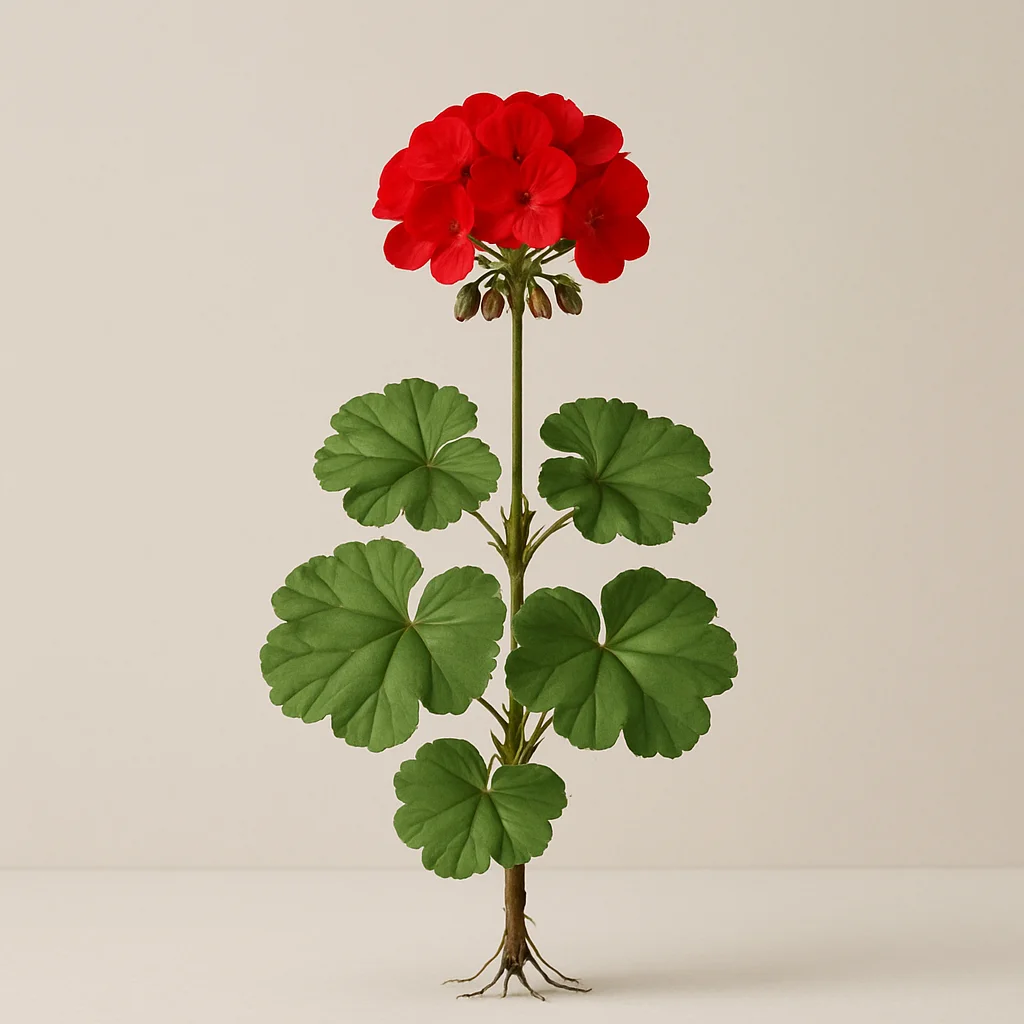
🌼 Botanical Overview
Geraniums belong to the family Geraniaceae and encompass a diverse group of species known for their distinctive round-lobed leaves and clusters of colorful, often fragrant blooms. The plant genus 'Geranium' consists of over 300 species, commonly known as cranesbills. However, what most people refer to as "Geraniums" in their gardens are actually Pelargoniums, which belong to a related genus in the same family. True Geraniums are hardy perennials with more subdued blooms, while Pelargoniums, often used in bedding and containers, are known for their striking and vibrant flowers. Both types are appreciated for their ornamental value, drought tolerance, and ability to thrive in a variety of climates.
🌍 Origin & Natural Habitat
Geraniums have a wide natural distribution, with species native to Europe, Asia, North and South America, and Africa. True Geraniums are predominantly found in temperate regions, enjoying woodland settings and grasslands. They flourish in habitats that offer a mix of sunlight and shade, thriving in well-drained soils rich in organic matter. The Pelargonium species, often thought of as "geraniums" in the gardening vernacular, hail mainly from South Africa. This origin equips them with exceptional adaptability to hot and dry climates, which contributes to their robustness in various conditions worldwide.
📅 Blooming Season
Geraniums have a long and prolific blooming season, adding continuous color to gardens from spring through fall. True Geraniums often start blooming in late spring, with some species offering re-blooming capabilities that extend into the late summer. Pelargoniums, due to their tender nature, are typically begun as annuals in cooler climates, with a flowering season that spans from late spring until the first frost of autumn. This extended bloom period makes them a perfect choice for gardeners seeking to maintain vivid floral displays over several months.
🌱 Growing & Care Tips
Growing Geraniums can be a rewarding endeavor as they are relatively easy to care for and maintain. Here are some tips for cultivating healthy and flourishing Geraniums:
- Light: Geraniums thrive in full sun to partial shade. For those growing Pelargoniums, full sun promotes the best flower production.
- Soil: A well-draining soil is crucial. Geraniums prefer a slightly acidic to neutral pH, and a soil enriched with organic matter enhances growth.
- Water: Provide regular watering to keep the soil moist, but avoid overwatering as this can lead to root rot. Allow the soil to dry slightly between waterings.
- Fertilization: During the growing season, a balanced liquid fertilizer every 4-6 weeks will support robust growth and abundant blooms.
- Pests: While generally pest-resistant, keep an eye out for common offenders such as aphids, whiteflies, and spider mites, and treat with appropriate measures as necessary.
✂️ Pruning & Maintenance
Pruning plays a critical role in maintaining the shape, vigor, and flowering capacity of Geraniums. Regular pruning encourages bushier growth and prevents the plant from becoming too leggy:
- Deadheading: Remove spent blooms regularly to prolong the flowering period and redirect the plant's energy toward producing new blooms.
- Pruning: In early spring, cut back true Geraniums to rejuvenate them and promote a fresh flush of growth. For Pelargoniums, light pruning throughout the growing season will maintain shape and encourage new buds.
- Dividing: Every few years, divide large clumps of true Geraniums in the early spring or fall to manage size and rejuvenate tired plants.
🌺 Symbolism & Cultural Meaning
Geraniums carry a rich symbolism and are steeped in cultural significance. Historically, they have been associated with themes of friendship, happiness, and positive emotions. Red Geraniums, in particular, are often seen as symbols of love and passion. In the language of flowers, Geraniums might convey messages of esteem and warmth, making them a popular choice for gifting. Diverse cultures have adopted Geraniums in their celebrations and folklore, placing them in a unique niche of garden and societal traditions.
💐 Popular Uses & Arrangements
Geraniums' versatility makes them popular in a variety of settings. They can be used in:
- Gardens: Ideal for borders, rock gardens, and containers. Their bright blooms provide eye-catching color accents in any composition.
- Indoor Decor: As a potted plant, Geraniums bring vibrancy and life to indoor spaces, often placed in sunny windowsills or conservatories.
- Cut Flowers: While less commonly used as cut flowers, their vibrant blossoms add a burst of color to mixed arrangements.
- Companion Planting: Geraniums' pungent foliage can repel pests, making them excellent companions for vegetables and herbs in garden beds.
⚠️ Safety, Toxicity & Precautions
While Geraniums are generally safe, some precautions should be taken:
- Toxicity for Pets: Geraniums can cause mild gastrointestinal distress in pets if ingested, so it's best to keep them out of reach of curious animals.
- Skin Irritation: The oils or saps from some species may cause skin irritation in sensitive individuals, so handling with gloves is recommended.
📌 Summary
Geraniums, whether referring to true species or their Pelargonium counterparts, are cherished for their enduring beauty, easy maintenance, and adaptability to a range of environments. They offer a long season of blooms and the potential for various landscaping and decorative uses. With vivid blossoms and a storied cultural history, Geraniums remain a staple in gardens worldwide. By understanding their origins, care requirements, and potential hazards, gardeners can make the most of these delightful plants and enjoy their vibrant presence throughout the seasons.