🌸 Dogwood
The Dogwood tree is a beloved ornamental plant known for its captivating blooms and charming appearance. It's treasured in various landscapes for its ability to provide visual interest throughout the year. Whether planted in gardens, parks, or used in landscaping, the Dogwood is appreciated for more than its outright beauty; it is a symbol of resilience and endurance. This article dives into the botanical essence, cultural significance, and practical care tips for anyone looking to feature this tree in their environment.
🌼 Botanical Overview
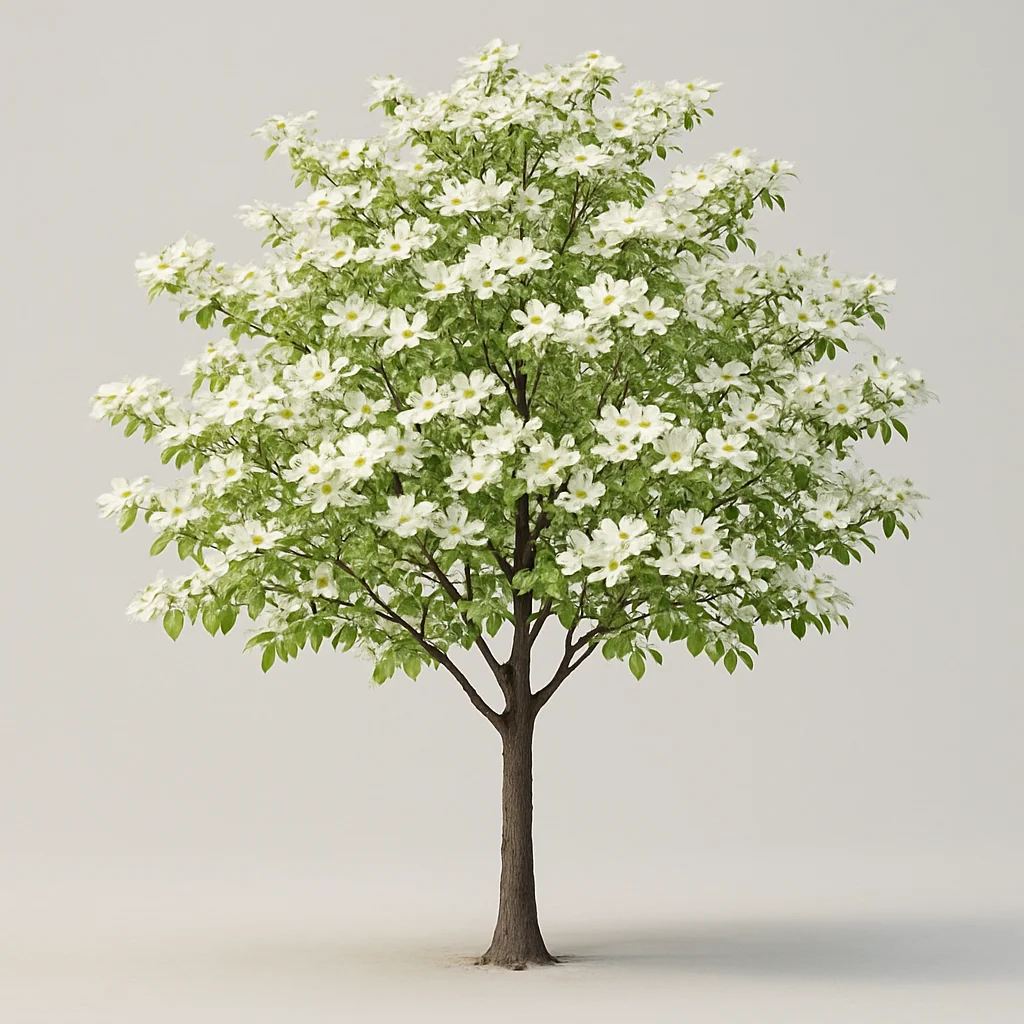
Dogwood trees belong to the genus Cornus, which encompasses a varied set of species including small trees and shrubs. The most famous among them is the Cornus florida, or Flowering Dogwood, revered for its stunning springtime blooms. The blooms are not typical petals but are technically bracts, modified leaves that encircle the tiny, true flowers at the center. These bracts come in shades of white, pink, and sometimes red, providing a rich display in spring landscapes.
Dogwoods typically grow between 20 to 40 feet tall, with a spread of 25 to 40 feet, and demonstrate a graceful structure with a rounded canopy. The leaves are simple, oval, and exhibit a notable seasonal transformation, from lush green in summer to vibrant reds and purples in the fall.
🌍 Origin & Natural Habitat
The Dogwood has a native range that spans Eastern North America, from Canada to Mexico, as well as parts of Asia and Europe. This geographical spread showcases its adaptability to various temperate climates. Typically, Dogwoods thrive in understory environments of deciduous forests where they receive filtered sunlight, demonstrating a natural preference for dappled shade.
They flourish in well-drained, rich soils and prefer spots where moisture is consistent but not excessive. Dogwoods add value to naturalized settings and are often found along woodland edges and in the shade of taller trees.
📅 Blooming Season
The blooming season for Dogwoods generally commences in early spring, around April to May, depending on local climate conditions. This flowering period heralds the arrival of spring with an unmistakable grandeur, as clusters of blossoms envelop the tree. The spectacular bloom lasts about two to four weeks, providing a strong visual impact during its brief, but glorious show.
Aside from the flowering period, Dogwoods also offer an autumnal display as their foliage changes colors and bright red berries mature, providing aesthetics and wildlife food sources into the fall.
🌱 Growing & Care Tips
Growing a Dogwood successfully requires attentiveness to its preference for partially shaded environments. It is essential to plant them in well-draining soil enriched with organic matter. Young trees benefit from a mulch layer to maintain consistent soil moisture and provide a buffer against temperature fluctuations.
- Watering: Moderately water your Dogwood, ensuring that the roots stay moist but are not soggy.
- Fertilization: Apply a balanced, slow-release fertilizer in early spring before the flowering begins.
- Pest Management: Monitor for common pests like borers and aphids, and employ integrated pest management practices.
Avoid planting Dogwoods in areas prone to waterlogging, and ensure they have appropriate spacing to prevent fungal issues due to poor air circulation.
✂️ Pruning & Maintenance
Pruning Dogwoods should be done during their dormant season in late winter or early spring before new growth begins. This timing reduces stress on the plant and minimizes the risk of disease transmission.
- Remove dead or diseased wood to maintain plant health.
- Thin out crowded branches to improve air circulation within the canopy.
- Shape the tree to enhance its natural structure, recognizing that Dogwoods prefer a more open form.
Regular maintenance ensures your Dogwood can flourish, producing vigorous growth and abundant blooms each year.
🌺 Symbolism & Cultural Meaning
The Dogwood is steeped in cultural symbolism, often associated with themes of rebirth and resilience. In Christianity, the Dogwood flower is a symbol of the crucifixion, with the petal's arrangement reminiscent of the cross. Legend suggests the Dogwood was once a large tree until it was chosen as the wood for the cross, after which it was transformed into a smaller tree with graceful branches.
In addition to its religious connotations, Dogwoods are often a symbol of durability and firmness in many traditional societies due to their hardy nature and wide adaptivity.
💐 Popular Uses & Arrangements
Dogwoods are popular for ornamental use, whether as standalone specimens or as part of a mixed planting. In landscape designs, they contribute texture and color variety across different seasons. Their ability to thrive in partial shade makes them suitable for gardens beneath taller trees, adding layers to landscaping projects. Dogwoods are also cherished for their uses in naturalization projects and woodland-edge plantings.
- Ideal for shady garden areas needing springtime brightness.
- Serve as serene backdrops in large garden landscapes.
- Enhance biodiversity by providing habitat and food for birds and pollinators.
Their branches and blooms can be used in cut flower arrangements, adding elegance and symbolically rich elements to floral displays.
⚠️ Safety, Toxicity & Precautions
Generally, Dogwoods pose minimal risk to humans and pets, with no notable toxicity reported. However, due diligence should always be applied when planting around curious pets or small children. The berries, though mostly safe, are best consumed by birds and wildlife rather than humans.
Use caution when handling Dogwoods, as sap exposure might cause mild skin irritation in sensitive individuals.
📌 Summary
Dogwoods are an essential addition to many gardens, known for their exquisite spring blooms and vibrant autumn foliage. With appropriate care and placement, they can thrive and delight, season after season. Symbolically rich and culturally significant, the Dogwood remains a steady favorite amongst horticulturists and landscapers alike, offering a vital source of beauty and ecological benefit.