🌸 Daffodil
The daffodil, a joyful herald of spring, is renowned for its vibrant yellow blooms that brighten gardens and landscapes worldwide. Scientifically known as Narcissus, this flower is often associated with rebirth and new beginnings, symbolizing the end of winter and the arrival of warmer days. Its cheerful appearance and relatively easy cultivation have made it a beloved choice for gardeners and florists alike.
🌼 Botanical Overview
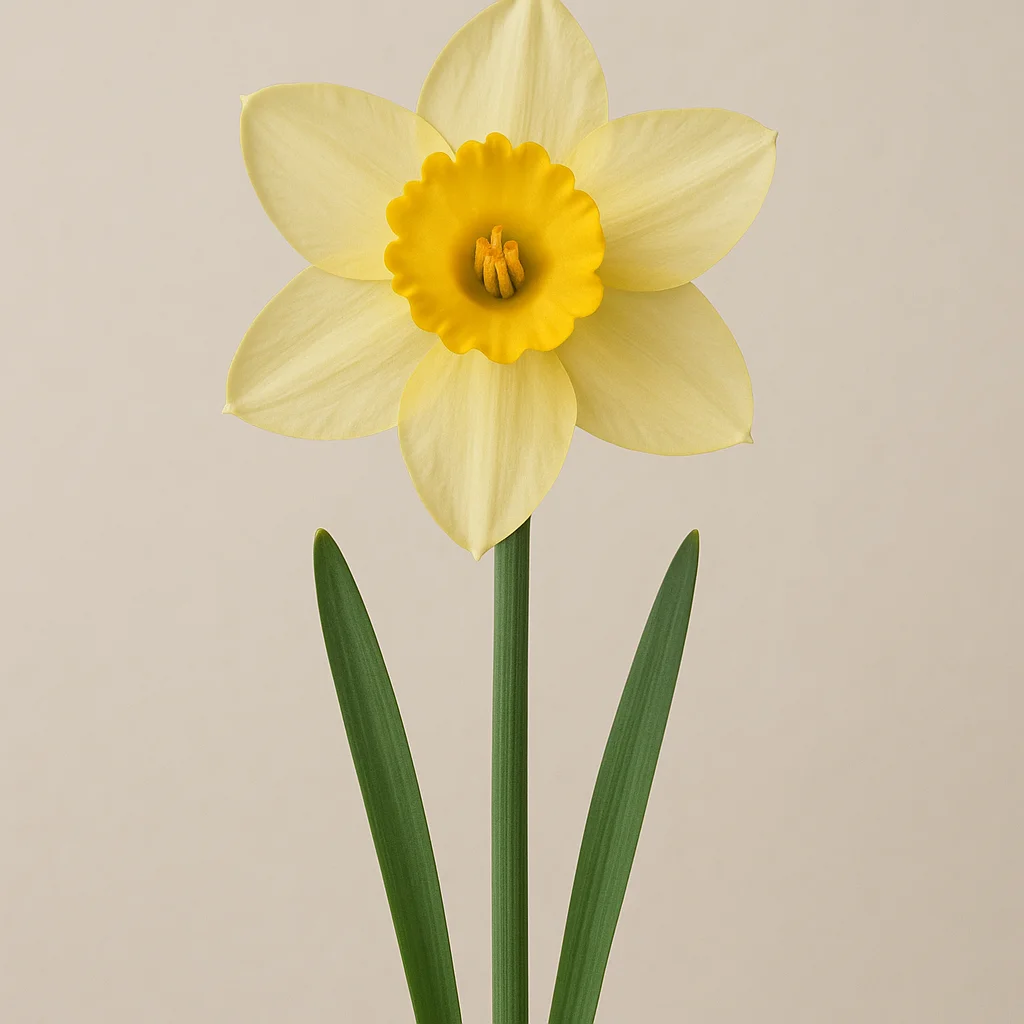
The daffodil belongs to the Amaryllidaceae family, comprising numerous species and varieties. Characterized by their trumpet-shaped corona surrounded by petals, daffodils vary in color from the classic yellow to white, orange, and even pink hues. The plant typically features a single flower per stem, although some varieties boast multiple blooms. Growing from an underground bulb, daffodils demonstrate a yearly flowering cycle, offering a perennial opportunity to enjoy their beauty.
- Scientific Name: Narcissus
- Family: Amaryllidaceae
- Common Colors: Yellow, white, orange, pink
- Structure: Six petals and a trumpet-shaped corona
🌍 Origin & Natural Habitat
Daffodils are native to Europe, particularly the Mediterranean region, including countries such as Spain and Portugal. They thrive in temperate climates, naturally populating grassy meadows and woodlands. Their adaptability allows them to flourish in a variety of environments, from forests to rocky slopes, making them a resilient plant species suited for varied garden conditions.
The natural habitat of daffodils ranges from low-lying plains to mountainous areas, where they enjoy well-drained soil and adequate sunlight. Despite their ability to grow wild, daffodils have been widely cultivated, leading to a vast array of hybrid varieties showcasing diverse colors and forms.
📅 Blooming Season
The blooming season for daffodils typically falls between late winter and early spring, depending on the climate and specific variety. In milder climates, some species may bloom as early as January, while in cooler regions, they often appear in March or April. The extended blooming period of different varieties can provide weeks of vibrant color, dotting landscapes with their cheerful presence.
The timing of daffodil blooms can also act as natural indicators of seasonal change, often coinciding with the awakening of other flora in the surrounding environment. After blooming, the foliage remains to gather nutrients necessary for the following year's growth, eventually wilting as the cycle naturally concludes.
🌱 Growing & Care Tips
Growing daffodils is a rewarding endeavor, thanks to their low maintenance and robust nature. Here are some essential tips for growing healthy daffodils:
- Planting Time: Plant bulbs in the fall, typically a few weeks before the first frost. This allows the bulbs to establish roots before winter.
- Soil Requirements: Daffodils prefer well-drained, slightly acidic to neutral soil. Adding compost can enhance soil fertility.
- Sunlight: Daffodils thrive in full sun to partial shade. Ensure they receive at least 6 hours of sunlight daily for optimal growth.
- Watering: Maintain consistent moisture during the growing season. Reduce watering once the blooming period ends.
- Spacing: Plant bulbs about 3 inches apart to allow for growth, and bury them at a depth of approximately 3 times the bulb's height.
With proper care, daffodils will reliably return year after year, multiplying naturally as bulbs divide and produce offsets.
✂️ Pruning & Maintenance
While daffodils require minimal maintenance once established, some pruning and care can enhance their longevity and aesthetic appeal:
- Deadheading: Remove dead or spent flowers to conserve the plant's energy and encourage healthy bulb development.
- Foliage Management: Allow the foliage to wither naturally before cutting it back, as this process is crucial for photosynthesis and nutrient storage.
- Weed Control: Regularly check for weeds which can compete for nutrients, ensuring daffodils have sufficient resources for optimal growth.
By adhering to these simple maintenance techniques, gardeners can ensure a vibrant display of daffodils each spring.
🌺 Symbolism & Cultural Meaning
The daffodil, with its bright and cheery presence, is rich in symbolism. Most commonly, it represents new beginnings and rebirth, making it a favored choice in spring festivals and celebrations. In many cultures, it is also associated with good fortune and prosperity.
In mythology, the name Narcissus derives from the Greek story of Narcissus, a character known for his beauty and self-love. This tale adds a layer of historical intrigue to the flower's cultural significance.
Furthermore, the daffodil is the national flower of Wales, where it is traditionally worn on Saint David's Day. The flower is also a symbol used by cancer charities worldwide, representing hope in the fight against cancer.
💐 Popular Uses & Arrangements
Daffodils are popular in floral arrangements and garden displays due to their striking appearance and variety. Here are some common uses:
- Floral Arrangements: Their vibrant colors make them an excellent choice for spring bouquets and wreaths, whether used alone or mixed with other spring blooms.
- Garden Planting: Daffodils are perfect for mass planting in borders, meadows, and woodland gardens.
- Potted Displays: They flourish in containers, allowing easy transport and display on patios and terraces.
When arranging daffodils, keep in mind that their stems exude a sap that can affect the longevity of other flowers in an arrangement. Separate the stems or allow them to condition in water for about 24 hours before combining with other blooms.
⚠️ Safety, Toxicity & Precautions
While daffodils are beautiful, care should be taken due to their toxic properties. All parts of the plant, including the bulb, contain alkaloids that can be harmful if ingested, leading to symptoms like nausea and vomiting.
As a precaution:
- Keep bulbs out of reach of children and pets.
- Wear gloves when handling bulbs to prevent skin irritation.
- Avoid ingesting any part of the plant.
By observing these safety guidelines, gardeners and flower enthusiasts can enjoy daffodils without concern.
📌 Summary
The daffodil is a cherished symbol of spring, known for its radiant blooms and enduring cultural significance. Whether gracing a garden or adorning a bouquet, it continues to captivate with its beauty and resilience. By understanding its botanical nuances, cultivation needs, and symbolic meanings, individuals can appreciate the daffodil as both a floral delight and a symbol of renewal and hope.