🌸 Crocus
The Crocus is a charming perennial that belongs to the iris family, known for its vibrant flowers that herald the arrival of spring. An adored symbol of rebirth and renewal, the Crocus's delicate blooms range in color from serene violets and pure whites to striking yellows and oranges. This beloved plant is not only a favored choice in ornamental gardening but is also appreciated for its resilience and ability to thrive in the challenging climates of early spring and late winter. Its popularity is largely due to its beauty and relatively low maintenance, making it suitable for novice and expert gardeners alike.
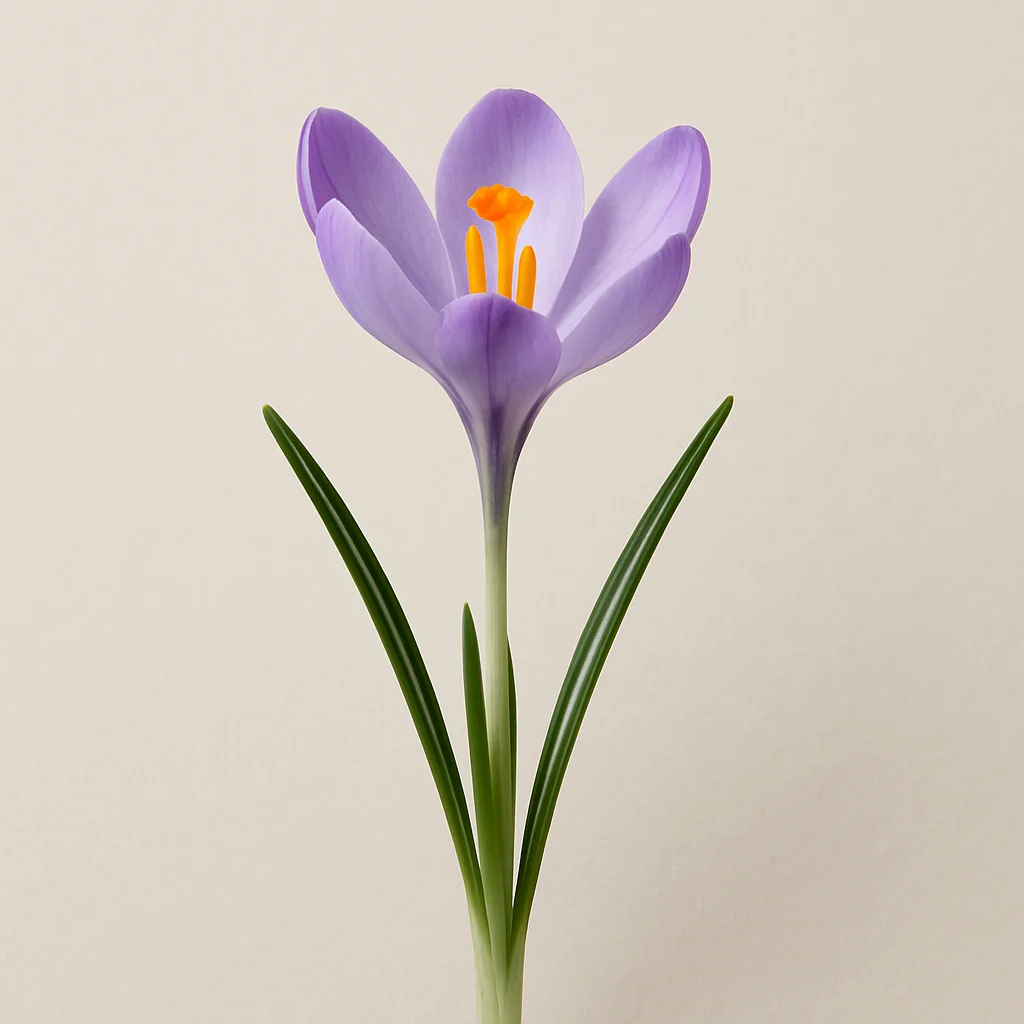
🌼 Botanical Overview
The genus Crocus consists of approximately 90 species, many of which are cultivated as decorative plants. They are primarily low-growing and herbaceous, with corms serving as their storage organs underground. These corms allow the plant to survive cold winters and re-emerge year after year. Crocus blossoms typically feature three stamens, distinct from many other members of the iris family, which typically have six. Crocus leaves are slender and grass-like, often with a distinctive silver stripe running down the middle.
In addition to their beauty, Crocus plants are an important early source of pollen for bees. The flowers open in the daylight, showcasing their brightly colored petals and closing at night or in overcast weather. Its early bloom time often precedes most other garden plants, making it a vital resource for pollinating insects emerging from dormancy in early spring.
🌍 Origin & Natural Habitat
The Crocus is native to a region that stretches from southern Europe to Central Asia. Its natural habitats include a variety of ecosystems such as woodlands, meadows, and mountainous terrains. This adaptability to diverse environments has contributed to the widespread cultivation of the Crocus in gardens around the globe.
Historically, the Crocus was known to ancient civilizations for its vivid colors and medicinal properties. The plant's cultivation dates back to antiquity when it was used not only as a garden plant but also for extracting saffron, one of the world's most coveted spices derived from the Crocus sativus species.
📅 Blooming Season
Crocuses typically bloom in late winter to early spring, although certain species may flower in autumn. The most commonly cultivated spring-flowering crocuses begin to blossom as soon as late February or March, depending on the climate. These are among the first flowers to appear as the cold of winter recedes.
The delicate blooms of the Crocus last for about one to two weeks, a relatively short but extremely impactful time during which they adorn gardens with their vivid colors. The natural variability in blooming times can provide an extended flowering season when multiple species and varieties are planted together.
🌱 Growing & Care Tips
Growing Crocuses is relatively straightforward, making them an excellent choice for gardeners of all experience levels. Here are some essential tips to ensure healthy and vibrant Crocus growth:
- Soil Requirements: Crocuses do best in well-drained soil. They thrive in soil that is moderately fertile and rich in organic matter. If the soil retains too much moisture, the corms may rot.
- Light Needs: While Crocuses can tolerate some shade, they prefer full sun exposure. Adequate sunlight is crucial for optimal flowering.
- Planting Depth: Plant Crocus corms about 3 to 4 inches deep and 2 to 3 inches apart. This depth ensures proper root development and nutrient absorption.
- Watering: Water Crocuses regularly during their growing period but reduce watering once the flowering season has ended. Overwatering should be avoided at all costs.
- Fertilization: Apply a balanced, slow-release fertilizer in the fall to encourage abundant blooms come springtime.
✂️ Pruning & Maintenance
One of the noteworthy aspects of Crocus care is its minimal maintenance requirement. Post-blooming, allow the foliage to die back naturally. This process is vital as it lets the corm store energy for next year's growth.
- Deadheading: While not necessary, removing spent flowers can help improve the plant's visual appearance and prevent unwanted seed formation.
- Foliage Management: Leave the foliage untouched until it turns yellow and dried. This allows the plant to prepare effectively for dormancy and accumulate nutrients for the next growing cycle.
In the cooler months, ensure that the soil is not waterlogged, as this can lead to rot. In areas with severe winters, a layer of mulch can be applied to provide additional protection to the corms roosting beneath the soil surface.
🌺 Symbolism & Cultural Meaning
The Crocus holds various symbolic meanings in different cultures, primarily associated with themes of renewal, hope, and cheerfulness. This symbolism arises from the plant's early bloom often being a herald of spring.
In mythology, the Crocus is tied to tales of love and transformation. The ancient Greeks connected it to the tragic love story of Crocus and Smilax, where the flower emerged as a symbol of devotion.
Carrying meanings of joy and a new beginning, the Crocus can be found woven into wedding ceremonies or used as a decoration to signify fresh starts and optimism for the future.
💐 Popular Uses & Arrangements
Crocuses are frequently used in landscaping for their vibrant color and early blooming. They are perfect for rock gardens, borders, and wildflower meadows. Their ability to naturalize quickly makes them a suitable option for lawns and grassy areas, where they can create a beautiful wash of color early in the season before the lawn requires mowing.
In floral arrangements, Crocuses are less commonly seen due to their short stems and transient blooms, yet they can add exquisite color and charm when used in small vases or indoor displays. Creative gardeners might use them in patio containers and window boxes where their beauty can be appreciated up close.
⚠️ Safety, Toxicity & Precautions
While the Crocus is generally safe for humans, it's important to distinguish between the spring Crocus and the autumn-flowering Colchicum, which can be toxic if ingested. They are sometimes mistaken for one another due to their similar appearance.
Due caution should be exercised when planting Crocuses in areas accessible to pets and young children. Although spring Crocus is not highly toxic, ingestion may cause mild gastrointestinal irritation.
📌 Summary
In conclusion, the Crocus is a beloved and versatile plant that captures the essence of early spring with minimal effort. It offers a delightful splash of color that contrasts against the monochrome backdrop of winter, delivering a message of hope and vibrancy. Its low maintenance requirements and ability to flourish in a variety of habitats make it a treasured addition to any garden.
Whether you're an avid gardener or simply an admirer of natural beauty, the Crocus promises to bring its joyous exuberance to your outdoor space year after year, making it an indispensable part of the floral landscape.