🌸 Cherry Blossom
The cherry blossom, known as Sakura in Japanese, is one of the most celebrated flowering trees in the world. Renowned for its breathtakingly beautiful blooms, it has captured the hearts of people globally. Each spring, cherry blossoms symbolize renewal and the ephemeral nature of life, inspiring festivals and cultural traditions across Asia and beyond.
🌼 Botanical Overview
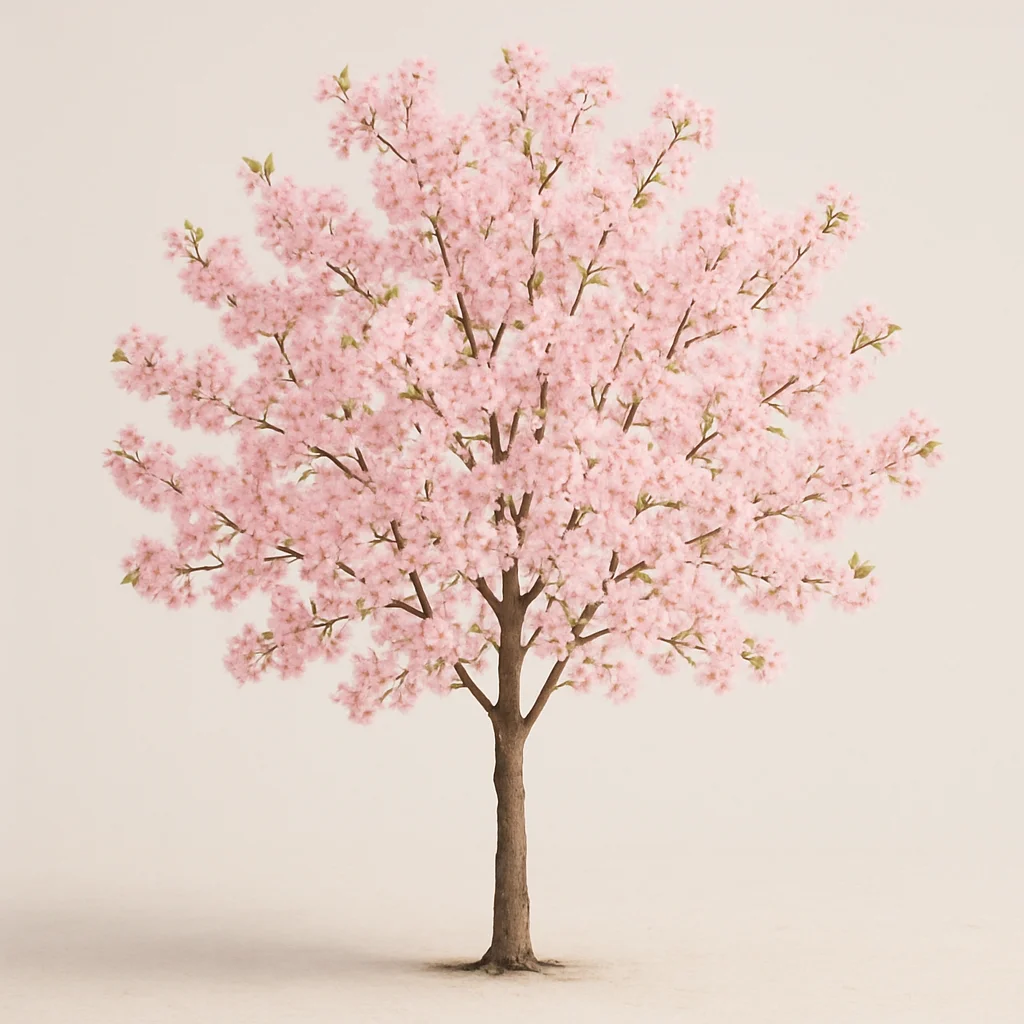
Cherry blossoms are part of the genus Prunus, which belongs to the Rosaceae family. Popular species include Prunus serrulata (Japanese cherry), Prunus x yedoensis (Yoshino cherry), and Prunus subhirtella (Higan cherry). These deciduous trees vary greatly in size from small shrubs to larger trees reaching up to 40 feet in height. The blossoms themselves are most commonly seen in shades of pink and white, with each flower typically having five petals. They may appear either singly or in clusters depending on the species.
Images of cherry blossoms should reflect the complete flower plant, showing the entire bloom and its surrounding elements, such as stems and leaves, capturing the full plant in the frame for maximum impact.
🌍 Origin & Natural Habitat
The cherry blossom tree is native to several parts of Asia, particularly Japan, China, and Korea. However, it has been cultivated in many regions around the world due to its ornamental value. These trees are adaptable to a variety of climates, although they thrive best in temperate regions with distinct seasons. Cherry blossoms prefer sunny locations with well-drained, fertile soil, making regions with these conditions ideal for their growth.
📅 Blooming Season
Cherry blossoms generally bloom in the early spring, with the precise timing dependent on the species and local climate conditions. Most commonly, the blooming season ranges from late March to early April, although it can vary. In Japan, the blooming of cherry blossoms is closely monitored and forecasted yearly as it marks a time of celebration and reflection. These blossoms have a relatively short blooming period of around two weeks, prompting various cultures to hold festivals and events to appreciate their fleeting beauty.
🌱 Growing & Care Tips
Successfully growing cherry blossoms requires some attention to detail:
- Location: Choose a well-situated, sunlit area with good drainage. Cherry blossoms flourish in full sun exposure, receiving at least six hours of direct sunlight daily.
- Soil: They favor moist, fertile soil with good aeration. It is advisable to enrich the soil with organic matter before planting.
- Watering: While young trees require regular watering, established trees are relatively drought-tolerant. However, in dry spells, ensure thorough watering to promote deep root growth.
- Fertilization: Apply a balanced fertilizer in early spring to support healthy growth and vibrant blooms.
✂️ Pruning & Maintenance
Pruning is a vital part of maintaining the health and aesthetics of cherry blossom trees:
- Timing: It is best to prune during the late winter or early spring before new growth starts.
- Method: Remove any dead, damaged, or crossing branches to encourage better air circulation and light penetration.
- Technique: Trim branches at a slight angle to facilitate water runoff and reduce the risk of rot.
Regular pruning helps maintain the tree's shape and encourages more prolific blooming.
🌺 Symbolism & Cultural Meaning
Cherry blossoms are steeped in symbolism, particularly in Japanese culture, where they represent the transient nature of life — highlighting beauty in its impermanence. They are often associated with themes of renewal, the cyclical nature of seasons, and the beauty of momentary experiences.
In the United States, the annual National Cherry Blossom Festival in Washington, D.C., commemorates the 1912 gift of 3,000 cherry trees from Mayor Yukio Ozaki of Tokyo to the city. This act symbolizes the lasting friendship between Japan and the United States.
💐 Popular Uses & Arrangements
Cherry blossoms find widespread use in ornamental and landscaping projects. They are often seen lining streets, gracing parks, and enhancing gardens with their ethereal beauty. In floral arrangements, cherry blossoms serve as elegant focal points, often displayed as standalone branches in a minimalist style or mixed with other spring flowers for more elaborate displays.
For depictions involving cherry blossoms, it is essential to show the full plant in a balanced composition. When capturing images, ensuring the entire bloom, including stems and leaves, remains in the frame will convey their true splendor.
⚠️ Safety, Toxicity & Precautions
While cherry blossoms themselves are not known to be toxic, it is important to note that some parts of the cherry tree, such as the seeds, leaves, and bark, contain cyanogenic compounds that can release cyanide if ingested in large quantities. Therefore, it is advisable to avoid consumption of these parts.
Additionally, when performing maintenance such as pruning, proper safety precautions, including the use of gloves and eye protection, are recommended to protect against sap and debris.
📌 Summary
The cherry blossom is more than just a flower; it is a symbol of beauty, transience, and cultural significance cherished by many worldwide. While growing them requires thoughtful care and attention to detail, the reward is a stunning display of color and elegance that enhances any landscape. By understanding their symbolic meanings, ideal growing conditions, and maintenance practices, enthusiasts can appreciate and cultivate these magnificent trees effectively.