🌸 Camellia
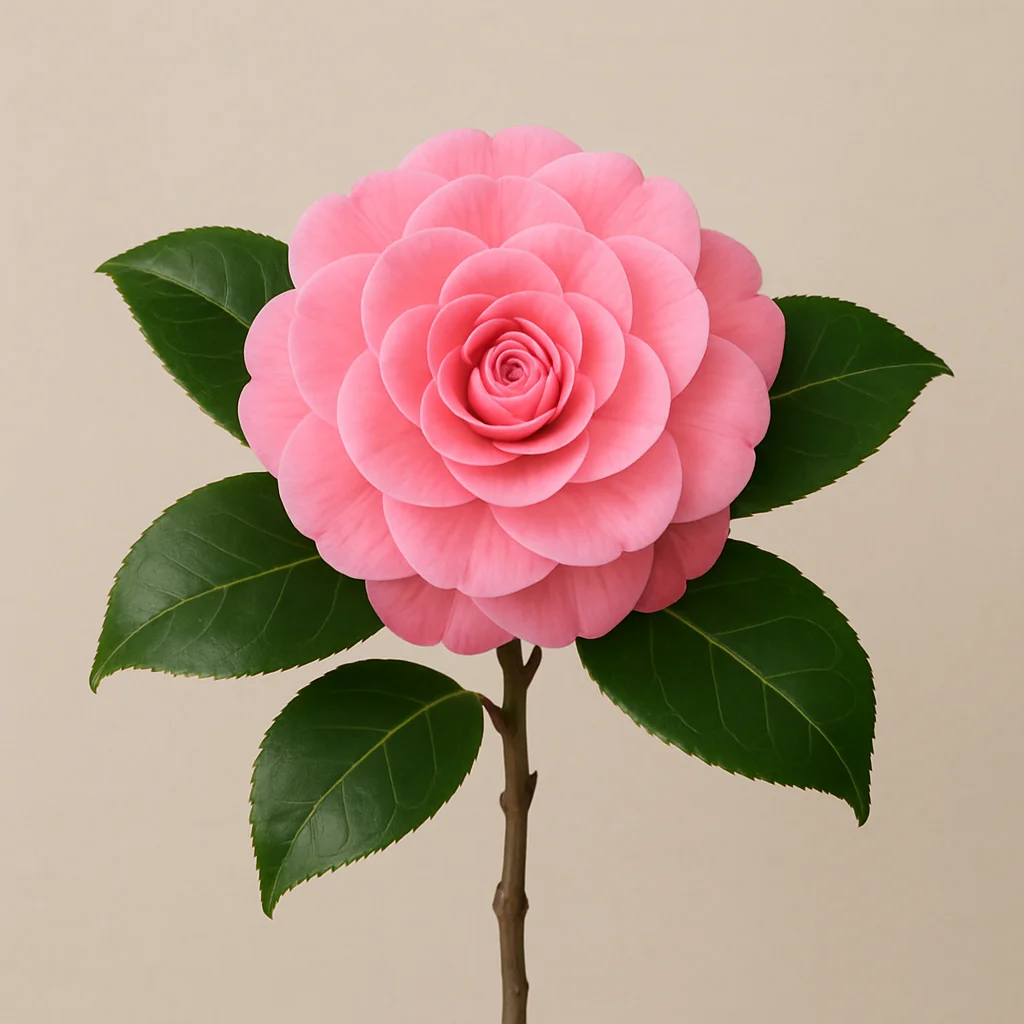
The Camellia is a beloved genus of flowering plants known for its stunningly beautiful blooms and glossy green leaves. Often associated with elegance and grace, these flowers have been a staple in gardens and floral arrangements across the world. Whether you are an avid gardener or simply someone who appreciates nature's artistry, the Camellia's charm is undeniable. Their popularity stems from their vibrant colors, symbolic significance, and relatively easy care requirements, making them a favorite among both novice and seasoned horticulturists.
🌼 Botanical Overview
Camellias belong to the Theaceae family and consist of over 100 species. They are evergreen shrubs or small trees, which can reach heights of up to 20 feet. The leaves are typically dark green, serrated, and lustrous, providing a striking contrast to the vibrant blossoms. Flowers can vary in size, shape, and color, ranging from white to pink to red, often with multi-petaled structures. The most commonly cultivated species include Camellia japonica, Camellia sasanqua, and Camellia sinensis — the latter being notable as the plant from which tea is derived.
🌍 Origin & Natural Habitat
Camellias are native to eastern and southern Asia, particularly flourishing in regions like China, Korea, and Japan. They thrive in mild, temperate climates with abundant rainfall. Naturally found in forested environments, where they grow as understory shrubs, Camellias have adapted well to garden cultivation beyond their native habitats. In contemporary garden settings, they are a testament to how adaptable these plants can be, growing successfully with proper care in various environments across the globe.
📅 Blooming Season
The blooming season for Camellias varies depending on the species and environmental conditions. Generally, Camellias bloom from late fall to early spring, providing much-needed color during the colder months. Camellia japonica usually flowers from January to March, while Camellia sasanqua can bloom as early as October, extending the flowering season into winter. This ability to bloom at unexpected times makes Camellias a valuable asset in maintaining year-round garden interest.
🌱 Growing & Care Tips
Successfully growing Camellias requires understanding their specific needs. These plants thrive in well-drained, acidic soil with a pH between 5.5 and 6.5. It is essential to position them in a location with partial shade, as too much direct sunlight can scorch the leaves, while too much shade can reduce flowering. Regular watering is crucial, especially during dry spells, but overwatering should be avoided to prevent root rot. Mulching around the base of the plants helps retain moisture and maintain soil temperature. Fertilization should be done in early spring and midsummer using a fertilizer formulated for acid-loving plants to support healthy growth and flowering.
✂️ Pruning & Maintenance
Pruning is an essential aspect of Camellia care, helping to maintain the plant's shape and encourage vigorous growth. Prune immediately after flowering, as this allows the plant time to develop new growth before the next blooming cycle. Remove any dead or diseased wood, and thin out overcrowded branches to improve air circulation. This practice not only enhances the plant's aesthetic appeal but also reduces the risk of diseases common to Camellias. Regular maintenance, including monitoring for pests such as aphids and scale insects, is vital to ensure the plant's health and longevity.
🌺 Symbolism & Cultural Meaning
Camellias hold rich symbolic meanings across different cultures. In China, they represent long-lasting devotion and are often associated with the bond between lovers. In Japan, Camellias, or "Tsubaki," symbolize admiration and are used in tea ceremonies to show respect and courtesy. In the West, they have come to embody steadfast love and passion, often featured in wedding bouquets and arrangements. The wide-ranging symbolism of Camellias enriches their role not only as garden staples but also as cultural icons.
💐 Popular Uses & Arrangements
Due to their exquisite beauty and variety, Camellias are popular choices for decorative arrangements and landscaping. Florists often use them in bouquets and table arrangements, especially for events where elegance is desired. Their lush foliage and striking flowers make them an excellent choice for hedges or as stand-alone specimens in gardens. The versatility of Camellias extends to their ability to be grown in containers, making them suitable for patios and smaller garden spaces. This flexibility allows gardeners and florists alike to explore creative uses of Camellias in various settings.
⚠️ Safety, Toxicity & Precautions
Camellias are generally regarded as non-toxic to humans and pets, making them a safe choice for gardens and households with children and animals. However, as with any plant, it is advisable to discourage pets and young children from ingesting any part of the plant. The sharp edges of the leaves can cause minor irritation if handled improperly, so wearing gloves during pruning is a recommended precaution. Overall, Camellias present minimal risk, enhancing their appeal as a safe and beautiful option for both indoor and outdoor settings.
📌 Summary
In summary, Camellias are a versatile and captivating genus that brings beauty and elegance to any garden or floral arrangement. With their roots in Asian culture and a powerful presence in gardens worldwide, they continue to symbolize love, admiration, and longevity. By following appropriate care guidelines and understanding their growth patterns, gardeners can enjoy the breathtaking blooms and rich cultural significance that Camellias uniquely offer. Whether you're drawn to the simple elegance of a white bloom or the vibrant hues of a pink or red flower, Camellias promise to delight with their allure and timeless magnificence.