🌸 Buttercup
The Buttercup, belonging to the genus Ranunculus, is a charming and widespread flower renowned for its radiant yellow blooms. Its cheerful appearance makes it a favorite among gardeners and nature enthusiasts alike. This article explores the many facets of the Buttercup, from its botanical foundations to its cultural significance and practical applications.
🌼 Botanical Overview
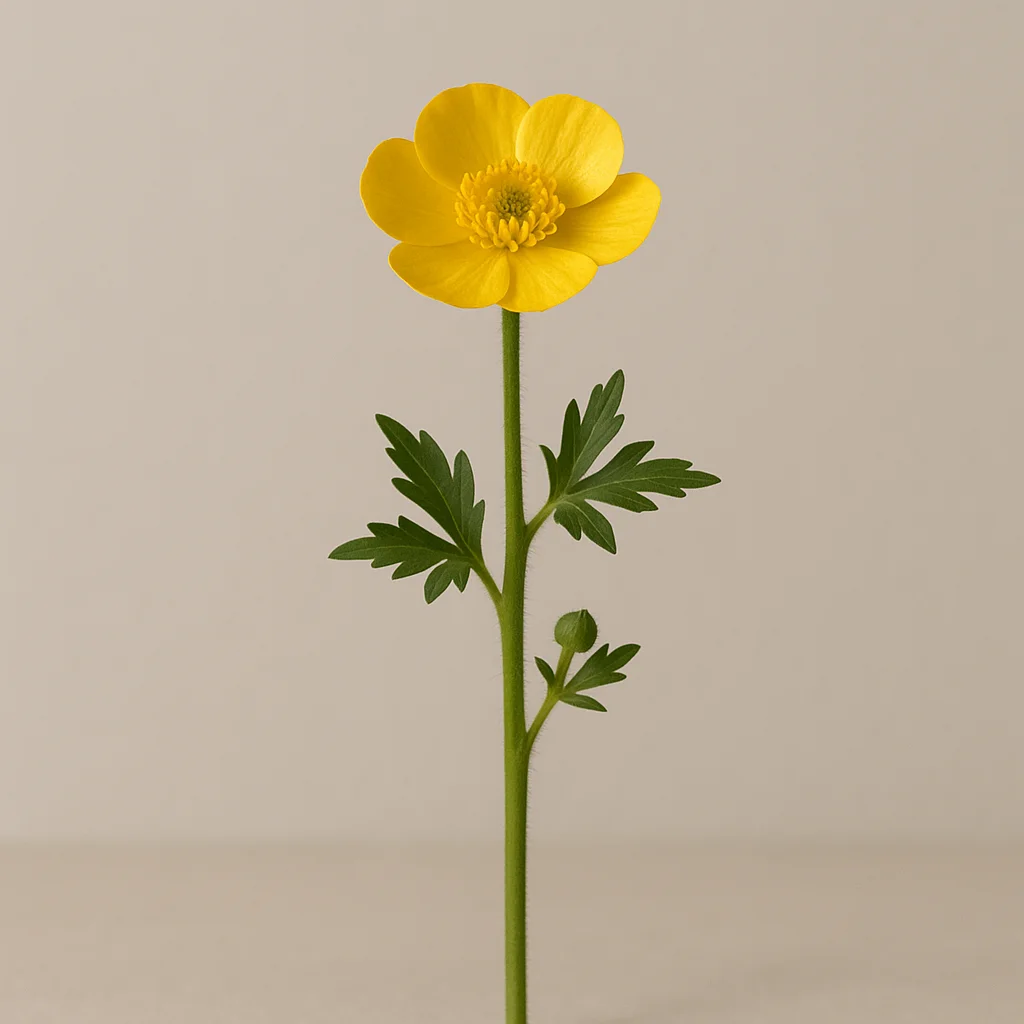
The Buttercup is a member of the family Ranunculaceae, which comprises a diverse group of flowering plants. They typically have bright yellow flowers, although some species may display white or even pinkish hues. Buttercups are characterized by their glossy petals and distinctive cup-like shape. With numerous species spread across the globe, these flowers are noted for their adaptability to various climates and conditions.
The leaf structure of the Buttercup is similarly diverse. Most exhibit finely divided, lobed leaves that vary in texture from smooth to hairy. Buttercup plants can range in height from a modest ground cover to taller varieties standing over a foot tall. In terms of reproduction, they typically grow from fibrous roots or tubers, depending on the species.
🌍 Origin & Natural Habitat
The Buttercup is native to temperate regions of the Northern Hemisphere, particularly thriving in the meadows and woodlands of Europe and North America. They favor moist environments but demonstrate significant resilience, capable of flourishing in diverse habitats ranging from marshlands to dry pastures and roadside verges.
Globally, Buttercups have adapted to diverse locales, with several species naturalized beyond their indigenous range. Their ability to acclimatize to varied soil types and environmental conditions contributes to their widespread distribution. The plants can be found in areas with full sun to partial shade, often enhancing the botanical diversity of the ecosystems they inhabit.
📅 Blooming Season
Buttercups typically bloom from early spring to late summer, painting landscapes with their brilliant hues. The exact timing of their bloom can vary depending on the species and geographical location. In warmer areas, flowering may begin as early as March, while in cooler climates, it might be delayed until May or June.
The blooming period of the Buttercup usually lasts several weeks, during which the flowers attract a variety of pollinators, including bees, butterflies, and other insects. Post-bloom, the plants produce seed heads that contribute to the propagation of the species, ensuring their continued presence in suitable habitats.
🌱 Growing & Care Tips
Buttercups are generally easy to grow and maintain, making them ideal for both novice and experienced gardeners. When cultivating Buttercups, consider the following:
- Soil: Prefer well-drained, nutrient-rich soils. While they can tolerate a range of soil types, optimal growth is achieved in moist, loamy soils.
- Sunlight: Plants thrive in locations with full sunlight, though they can also survive in partially shaded areas. Ensure they receive at least a few hours of direct sunlight daily.
- Watering: Regular watering is essential, particularly during dry spells. However, avoid waterlogging, which can destabilize root health.
- Spacing: Adequate spacing between plants is crucial to prevent overcrowding, which promotes fungal diseases.
Given these considerations, nurturing Buttercups can lead to vibrant displays of color throughout their growing season.
✂️ Pruning & Maintenance
Pruning Buttercups involves removing spent flowers and unhealthy foliage to promote plant health and prolong blooming. Regular deadheading can encourage additional flowering and help maintain the plant's aesthetic quality.
Once the flowering season concludes, cut back the foliage to ground level if the plant begins to look scraggly or unhealthy. Be attentive to signs of pests or diseases and treat accordingly to prevent spreading. In colder regions, mulch can be applied in winter to protect the roots from frost damage.
🌺 Symbolism & Cultural Meaning
Throughout history, Buttercups have symbolized cheerfulness, humility, and vibrant energy. Their bright yellow color is often associated with the sun, signifying warmth and positivity.
In folklore, holding a Buttercup beneath the chin is said to determine whether someone likes butter, as the plant's reflective petals cast a yellow tint on the skin. This playful tale reflects the flower's role in cultural traditions and children's games.
Buttercups are also featured in various art forms and literature, celebrated for their simplicity and beauty. They often represent the arrival of spring and the renewal of life.
💐 Popular Uses & Arrangements
Beyond their natural beauty in wild landscapes, Buttercups are popular in floral arrangements due to their vibrant color and appealing form. They can add a splash of sunshine to bouquets and garden displays.
Here are common uses of Buttercups:
- Garden Borders: Ideal for edging paths and borders, providing a vibrant contrast against green foliage.
- Wildflower Meadows: Incorporated into mixtures to mimic natural settings, attracting pollinators and enhancing biodiversity.
- Containers: Suitable for pots and containers, allowing flexibility in placement and mobility around the garden.
⚠️ Safety, Toxicity & Precautions
While beautiful, Buttercups contain chemical compounds that can be toxic to humans and animals if ingested. The sap can cause skin irritation and should be handled with care. Therefore, it's advisable to wear gloves when handling these plants.
In livestock and pets, Buttercups can lead to digestive issues and other health concerns. It's crucial to ensure that grazing animals do not consume the plants. Despite these risks, with appropriate precautions, Buttercups can be safely enjoyed in gardens and wild settings.
📌 Summary
The Buttercup is a delightful addition to any garden, known for its vibrant yellow blooms and symbolic richness. While straightforward to grow and care for, it does require mindful handling due to its toxic properties. Whether as part of a wildflower meadow, a garden border, or a sunny corner planter, Buttercups continue to charm with their cheerful presence and timeless appeal.
With their enduring popularity and ecological benefits, Buttercups remain a testament to nature's beauty and resilience, embodying the joy and vitality of the lush landscapes they inhabit.