🌸 Bellflower
The Bellflower, known scientifically as Campanula, is a captivating genus of flowering plants belonging to the family Campanulaceae. Valued for its charming bell-shaped blossoms, Bellflower species are renowned for their aesthetic appeal in gardens and landscapes. Due to their enchanting flowers and diverse range of species, they have become a favorite among botanical enthusiasts and gardeners alike. Their versatility and variety of colors make them a popular choice for enhancing floral displays and natural settings.
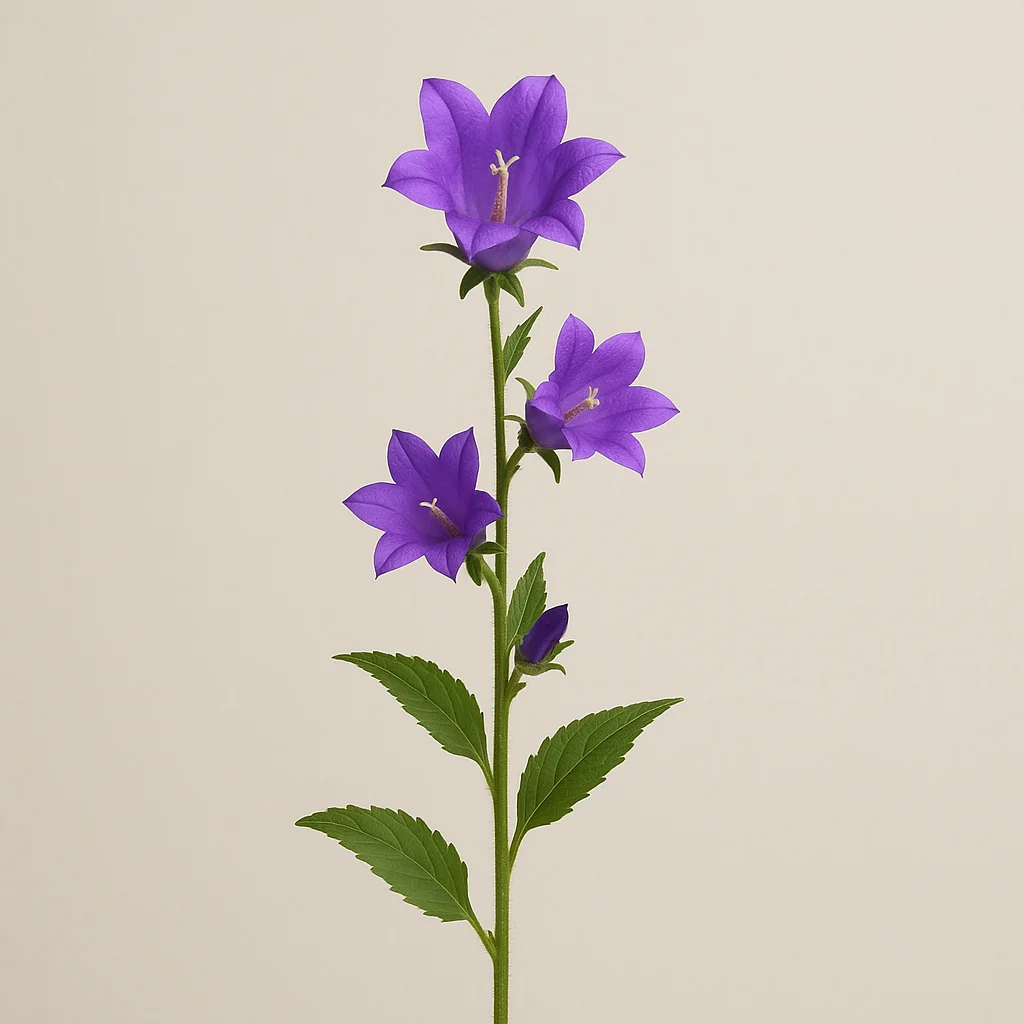
🌼 Botanical Overview
Bellflowers cover a broad spectrum of species, with over 500 recognized types varying in size, shape, and color. Typically, they are herbaceous perennials, though some species are biennials or even annuals. Their distinctive bell-shaped flowers are what lend these plants their common name, and they come in shades of blue, purple, white, and pink. The flowers usually feature a corolla that is either campanulate (bell-shaped) or tubular, presenting in clusters or singly depending on the species.
- Family: Campanulaceae
- Genus: Campanula
- Common Names: Bellflower, Harebell
- Height: Varies from 10 cm to over 100 cm depending on the species
- Flower Color: Blue, purple, white, pink
In addition to their diverse forms, Bellflowers are noted for their ability to attract pollinators such as bees and butterflies, which play a crucial role in the ecosystem. The leaves of the plant are generally alternate and simple, with a range of textures that can add to their ornamental appeal.
🌍 Origin & Natural Habitat
Bellflowers are native to the temperate regions of the Northern Hemisphere, with a substantial number of species found in Europe and the Mediterranean regions. Nevertheless, their adaptability has allowed them to thrive in various parts of the world, including North America and Asia.
Bellflowers favor habitats ranging from mountainous regions to meadows and woodlands. They are particularly well-adapted to well-drained soils and can often be found in rock crevices and garden borders. Due to their resilience and adaptability, Bellflowers can grow in both sun-drenched fields and shaded forest floors, making them a versatile choice for different landscape environments.
📅 Blooming Season
The blooming season for Bellflowers generally spans from late spring to early autumn, with the peak flowering period occurring in early summer. The duration of bloom varies among species, with some offering a short but spectacular display, while others extend their floral charms over several months. This extended blooming period not only ensures a long-lasting show of color in gardens but also provides a critical source of nectar for pollinators throughout the growing season.
Gardeners often appreciate this staggered blooming as it allows for continuous interest and color in landscapes, often bridging the gaps between the blooming periods of other garden plants.
🌱 Growing & Care Tips
To cultivate Bellflowers successfully, it is essential to consider their preference for specific environmental conditions:
- Light: Bellflowers thrive in full sun to partial shade. While most species prefer ample sunlight, several are well-suited to shaded areas and can adapt to dappled sunlight situations.
- Soil: A well-draining soil rich in organic matter is ideal. Bellflowers prefer slightly alkaline to neutral soil and benefit from the addition of compost or well-rotted manure.
- Water: These plants require moderate watering, with a particular need during dry spells. Overwatering should be avoided to prevent root rot.
- Temperature: Most Bellflowers are hardy and can tolerate a range of temperatures. However, they should be protected from extreme heat and frosty conditions where possible.
Propagating Bellflowers can be done through seeds, division, or cuttings. Collecting seeds from mature plants and sowing them indoors early in the season allows for a greater plant selection and healthier initial growth under controlled conditions.
✂️ Pruning & Maintenance
Regular maintenance of Bellflowers is essential to ensure their health and aesthetic appearance:
- Deadheading: Removing spent flowers encourages further blooming and prevents the plant from self-seeding uncontrollably.
- Pruning: Prune back any overgrown or damaged branches to maintain a tidy appearance and promote healthy growth.
- Division: Every few years, dividing clumps can help rejuvenate the plants, preventing overcrowding and encouraging more robust blooms.
Consistent care and proper maintenance will ensure Bellflowers remain a focal point in gardens for many years. Additionally, applying mulch around the base of the plants helps retain soil moisture and suppress weeds.
🌺 Symbolism & Cultural Meaning
Bellflowers carry a wealth of symbolism and have been celebrated in various cultural contexts. Traditionally, these flowers are associated with gratitude, humility, and everlasting love due to their love for blooming in challenging terrains. In folklore, the Bellflower is believed to symbolize constancy and serves as a reminder of enduring hope.
Given their gentle appearance and historic uses, Bellflowers are often included in floral motifs and artwork. Their bell-like shape has been interpreted as a symbol of communication, representing a call to gather or announce good news.
💐 Popular Uses & Arrangements
Bellflowers are beloved in both horticultural and artistic fields for their versatile use. In addition to their value in gardens, they are frequently incorporated into floral arrangements, wedding bouquets, and as cut flowers. The delicate blooms and vibrant colors add elegance and softness to any floral display.
Gardeners often use Bellflowers to create stunning borders, rockeries, and cottage garden themes. Their ability to blend seamlessly with other perennials makes them an ideal companion plant, enhancing garden composition and diversity.
⚠️ Safety, Toxicity & Precautions
Most Bellflower species are considered non-toxic to humans and animals, making them a safe choice for family gardens. However, it is always recommended to supervise pets and children around unfamiliar plants to prevent ingestion out of curiosity.
The sap from some Bellflower species can cause minor skin irritation in sensitive individuals. It is advisable to wear gloves when handling the plants for extended periods, especially during pruning or harvesting.
📌 Summary
Bellflowers offer a blend of beauty and resilience, making them an exceptional addition to gardens and floral arrangements. With their unique shapes and vivid colors, they provide both aesthetic appeal and ecological benefits through their support of pollinators. Proper care and understanding of their growing conditions ensure that these charming plants can thrive and remain a cherished part of any landscape or collection.
Whether used to symbolize emotion or simply to add beauty to a garden, Bellflowers hold a special place in the botanical world as both a decorative and meaningful species.