🌸 Azalea
The Azalea is a beloved flowering shrub widely recognized for its bright, brilliant blooms that grace gardens around the world. Known for their vibrant colors and lush foliage, azaleas belong to the genus Rhododendron, which encompasses them along with their close botanical relatives, the rhododendrons. Celebrated for their diverse hues and shapes, azaleas are a quintessential component of ornamental horticulture and have become symbolic of springtime's beauty and renewal. This article delves into the fascinating world of azaleas, exploring their origins, care, symbolism, and much more.
🌼 Botanical Overview
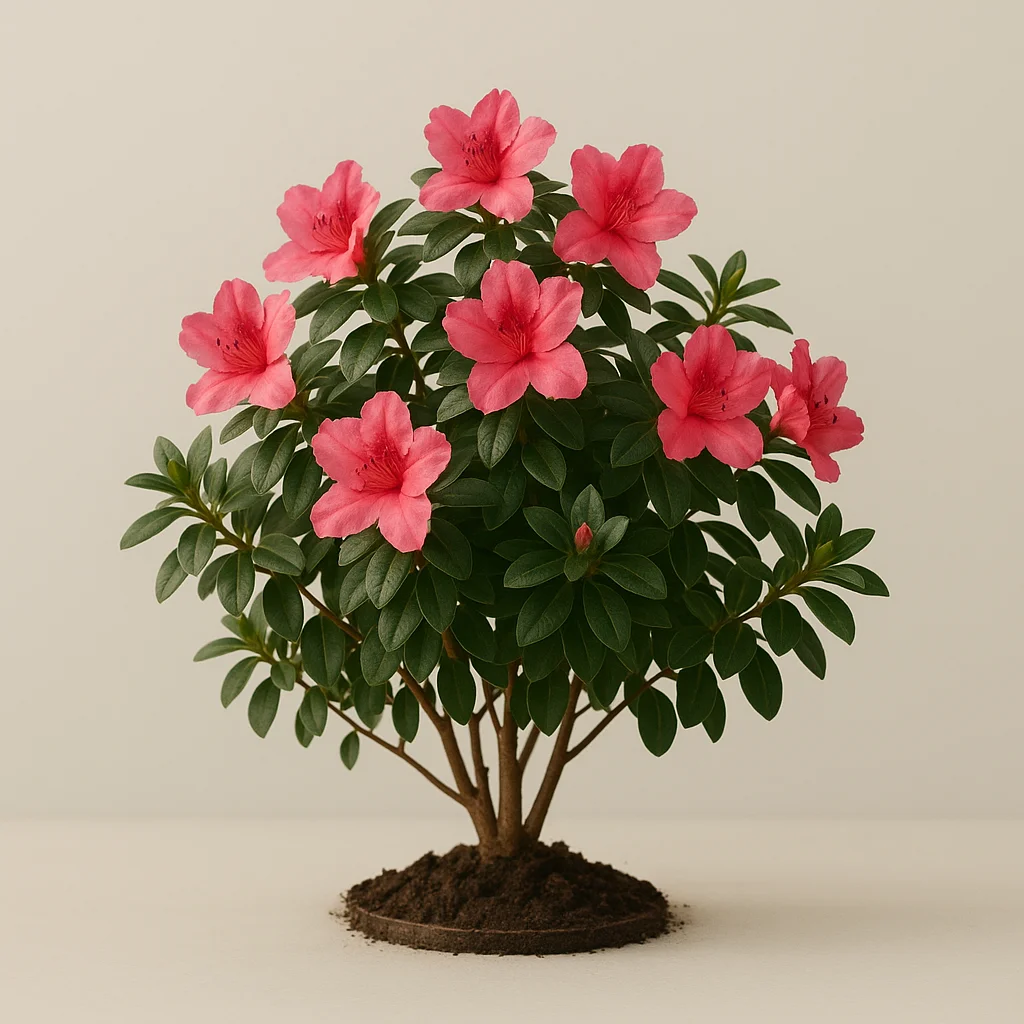
Azaleas are woody, deciduous, or evergreen shrubs that are predominantly found in the genus Rhododendron, boasting over a thousand species. Typically, these shrubs exhibit lanceolate or elliptic leaves, with variations across species in terms of size and color. Azaleas are distinguished from rhododendrons primarily by their smaller, funnel-shaped flowers and preference for warmer climates. The flowers are usually borne in clusters at the tips of branches, showcasing a spectrum of colors ranging from white, pink, and red, to vibrant oranges and purples. These blooms have an exquisite form, recognizable by their full petals and graceful stamens. Azaleas are prized for their ability to create striking displays, often adorned with a profusion of blooms that can transform gardens and landscapes into vivid tapestries of color.
🌍 Origin & Natural Habitat
Azaleas are indigenous to several regions across Asia, Europe, and North America, thriving naturally in the understories of temperate forest regions. In Asia, especially in China, Japan, and Korea, azaleas have a long-standing presence, where they are often found in mountainous and rocky terrains. The diverse climates and ecosystems of these regions contribute to the wide range of azalea species and cultivars available today. In North America, native species like the Rhododendron calendulaceum, commonly known as the flame azalea, are found in the eastern United States, adding vibrant patches of color to their natural woodland habitats. These shrubs prefer well-drained, acidic soils and often thrive in habitats that provide a mix of sunlight and shade, which mimics their natural forest settings.
📅 Blooming Season
The blooming season for azaleas can be one of nature's most splendid performances, typically occurring from late winter through early summer. The precise timing and duration of bloom vary significantly among azalea species and cultivars. Early-blooming varieties may begin to unfurl their flowers as early as March, while late-blooming types can extend the spectacle well into June. The timing of an azalea’s bloom is determined by multiple factors, including geographic location, climate, and the specific characteristics of each plant variety. This adaptability within species allows garden enthusiasts to plan for prolonged periods of color and beauty throughout the spring and early summer season.
🌱 Growing & Care Tips
To cultivate azaleas successfully, it is crucial to understand their specific requirements for growth and care. These flowering shrubs thrive best in acidic soil with a pH ranging from 4.5 to 6.0, as the acidity aids in the uptake of essential nutrients. Proper drainage is essential; azaleas do not fare well in waterlogged conditions, which can lead to root rot. When planting azaleas, choose a site that offers dappled sunlight or partial shade, which closely simulates their natural habitat. While azaleas are relatively low-maintenance, regular watering during dry spells and mulching to maintain moisture levels are practices that can greatly enhance plant health and flower production.
Fertilizing azaleas should be done with care, using formulations designed for acid-loving plants. Apply fertilizer in early spring, just before new growth begins, and follow up with a second application after the first bloom has faded to support recovery and future growth. With appropriate attention to their specific habitat needs and consistent care practices, azaleas can flourish and reward gardeners with stunning displays year after year.
✂️ Pruning & Maintenance
Pruning is a vital aspect of azalea care that encourages healthy growth and blooming. The best time to prune azaleas is shortly after their flowering period ends, typically in late spring or early summer. This timing ensures that you won’t inadvertently remove any potential flower buds that could develop for the next season. Pruning involves removing dead or diseased wood, shaping the shrub for aesthetic purposes, and thinning out crowded branches to improve air circulation within the plant.
When pruning, use clean, sharp tools to make angled cuts just above a healthy leaf set or growth node, encouraging outward growth and healthier blooms. Overgrown azaleas can be rejuvenated through more extensive pruning, though this may temporarily reduce flower production as the plant redirects energy toward recovery and new growth. Regular maintenance, including removing spent flowers and deadheading, also contributes to the overall vitality and appearance of azalea shrubs.
🌺 Symbolism & Cultural Meaning
Azaleas hold rich symbolism and cultural significance across the globe. In many cultures, they represent femininity, elegance, and passion, with the striking color and form of their blooms evoking feelings of beauty and desire. In Asian cultures, azaleas are often associated with homecomings, given as gifts to express joy at a beloved person's return. The flower’s association with temperance and moderation is derived from the plant's need for careful and balanced care to thrive.
Historically, in parts of Europe, azaleas were also considered a symbol of fragile passion, reflecting the delicate beauty and fleeting nature of their blooms. The cultural importance of azaleas is further emphasized by their frequent depiction in art and literature, celebrating their vibrant appearance and the emotions they evoke.
💐 Popular Uses & Arrangements
Azaleas are highly sought-after for their ornamental value, making them a popular choice in landscape design and floral arrangements. In gardens, these shrubs can be used as eye-catching focal points, hedging material, or accents when paired with other plants. Their wide range of colors and forms allows for creative landscaping designs that enhance backyard or public spaces alike.
In floral arrangements, azaleas add a dash of vibrant color and texture, often used in bouquets, wreaths, and centerpieces. The delicate blooms and lush green foliage provide contrast and depth, complementing a variety of floral styles ranging from traditional to contemporary. When using azaleas in floral displays, it is essential to ensure the entire flower, including bloom and stem, is visible, to showcase their complete beauty. These arrangements effectively capture the essence of springtime, lending joy and vibrancy to festive occasions and home decor.
⚠️ Safety, Toxicity & Precautions
While azaleas are celebrated for their beauty, it is important to be informed about their toxicity. All parts of the azalea plant contain grayanotoxins, which are toxic to humans and animals if ingested. Symptoms of azalea poisoning can include nausea, vomiting, and respiratory issues. Therefore, it is advisable to plant azaleas away from children’s play areas and pet-friendly spaces to mitigate the risk of accidental ingestion.
When handling azaleas, especially during pruning and maintenance, it is advisable to wear gloves to prevent skin irritation from the plant's sap. Responsible gardening and awareness of the plant’s toxic properties can ensure that the enjoyment of azaleas in residential and communal spaces remains safe and pleasurable.
📌 Summary
Azaleas are enchanting shrubs with a unique blend of beauty, cultural significance, and horticultural value. Their captivating blooms and varied forms have endeared them to gardeners and flower enthusiasts alike, prominently featuring in gardens and aesthetic designs worldwide. By understanding the needs and characteristics of azaleas, gardeners can cultivate these plants to their full potential, savoring the vibrant displays they provide each blooming season. While their beauty carries precautions due to toxicity, responsible care ensures that azaleas can be appreciated safely.
The world of azaleas is as diverse as it is beautiful, offering endless possibilities for adding color and sophistication to outdoor and floral environments. Whether planted for their alluring blossoms or their symbolic expressions, azaleas continue to be a cherished component of floral artistry and gardening culture, celebrated across continents and generations.