🌸 Anemone
The Anemone, often referred to as the "Windflower," is a captivating and diverse group of flowering plants belonging to the Ranunculaceae family. With their vibrant colors and unique petal formations, these flowers have adorned gardens and landscapes across the globe. Known for their aesthetic appeal and cultural significance, Anemones hold a special place in the world of botany and horticulture. This article explores these fascinating blooms in detail, providing insights into their botanical characteristics, cultivation methods, and cultural meanings.
🌼 Botanical Overview
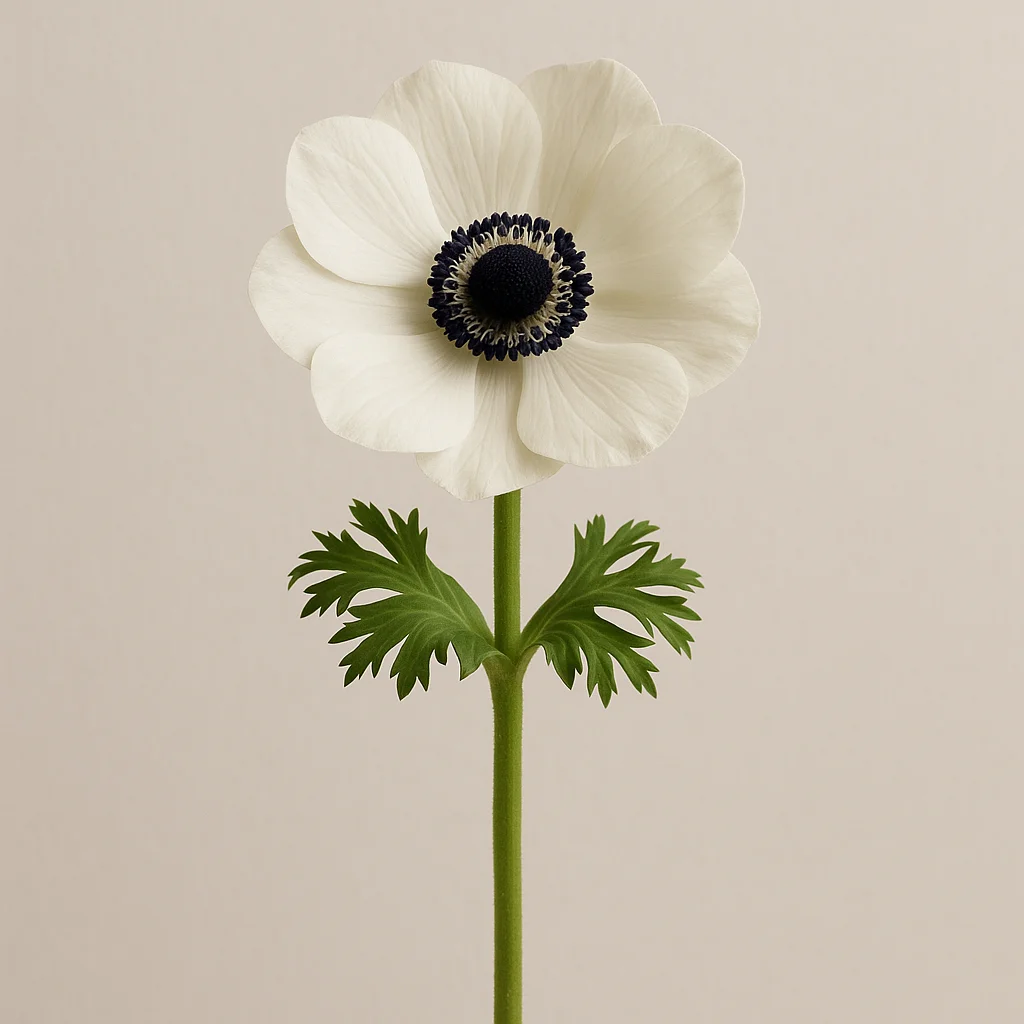
Anemones comprise a genus of over 120 species, exhibiting a variety of forms and colors. These perennial plants are characterized by their delicate, poppy-like flowers and divided leaves. The word "Anemone" is derived from the Greek word anemos, meaning "wind," reflecting the plant's ability to sway gracefully in the breeze. The blooms generally feature a prominent central disk surrounded by several petal-like sepals.
While the most common colors are white, pink, purple, red, and blue, certain species showcase bi-colored or variegated patterns. The flowers typically range from 2 to 4 inches in diameter, and their height can vary from 6 inches to 4 feet, depending on the species and growing conditions. The complete bloom and stem of an Anemone can fit perfectly within a photographic frame, with the entire flower’s components clearly visible, including the fully developed stem and leaves.
🌍 Origin & Natural Habitat
Anemones have a diverse geographic range and can be found in various regions of the Northern Hemisphere, including Europe, North America, and Asia. These plants are often observed thriving in temperate and subtropical environments, preferring woodlands, meadows, and grasslands where they can receive ample sunlight and sufficient moisture.
Some notable native habitats include the Mediterranean region, where several species such as Anemone coronaria are indigenous. This variety, known for its vibrantly colored flowers, has spread widely due to its ornamental appeal. In their natural settings, Anemones benefit from well-drained soil and a climate that provides distinct seasonal changes, which are critical to their developmental cycles.
📅 Blooming Season
The blooming season of Anemones varies according to the species and geographical location. Generally, they flower from late winter to early summer. For example, Anemone blanda, commonly known as the Grecian Windflower, typically blooms in early spring, filling gardens with a carpet of striking blues, whites, and pinks just as the winter thaw begins.
Other species, such as Anemone hupehensis, bloom in late summer to early autumn, providing continuity of color in the garden when many other plants are nearing the end of their flowering period. The diverse range of blooming periods across different species makes Anemones a valuable addition to any garden, ensuring long-lasting visual appeal.
🌱 Growing & Care Tips
Gardening with Anemones requires an understanding of their growing needs, which, while specific, are not overly demanding. Here are some essential tips:
- Soil: Anemones prefer well-drained, moderately fertile soil. Amending the soil with organic matter such as compost can enhance its quality and drainage capabilities.
- Light: These plants thrive in full sunlight to partial shade. Selecting a site that offers morning sun and afternoon shade can optimize flowering potential.
- Watering: Regular watering during dry spells is crucial, particularly during the growing season. However, overwatering should be avoided to prevent root rot.
- Planting: In colder climates, plant Anemones after the danger of frost has passed. Tubers should be soaked in water for a few hours before planting to promote moisture absorption.
- Fertilizer: Apply a balanced, slow-release fertilizer in early spring to support plant growth and flower production.
With these care practices, Anemones can flourish, providing vibrant displays throughout their blooming period.
✂️ Pruning & Maintenance
To maintain the health and aesthetics of Anemone plants, regular pruning and maintenance are recommended. This includes:
- Deadheading: Remove spent flowers to encourage new blooms and prevent seed formation, which can deplete the plant’s energy.
- Foliage Management: Trim back foliage in late autumn to tidy up the garden and prevent disease. This also allows energy to be redirected to the tubers for next year's growth.
- Dividing: Every few years, divide crowded clumps in early spring or autumn to rejuvenate plants and enhance air circulation.
Anemones generally require minimal maintenance beyond these pruning tasks, making them a favorable choice for gardeners seeking low-effort beauty.
🌺 Symbolism & Cultural Meaning
Throughout history, Anemones have held various symbolic meanings and cultural significance. In Greek mythology, the flower is linked to the tale of Adonis and symbolizes the fleeting nature of life. This association with transience and the delicate beauty of Anemones have made them a symbol of anticipation and protection against evil.
In other cultures, Anemones are considered talismans of luck and are often used in rituals to bring positive energy. Their diversely colored blooms also carry individual meanings. For example, a red Anemone can signify passion, while a white one may represent sincerity and innocence.
💐 Popular Uses & Arrangements
Thanks to their vibrant and varied appearances, Anemones are popular in floral arrangements and decorative uses. Their long, sturdy stems and eye-catching blooms make them ideal for cut flower arrangements. Here are some common uses:
- Weddings: Anemones are often chosen for bridal bouquets and centerpieces due to their romantic and elegant flair.
- Garden Design: They are employed in landscape design as bedding plants, borders, or ground covers, offering continuous color.
- Artistic Inspiration: Artists and designers draw inspiration from Anemone's distinct appearance, incorporating them into paintings, textiles, and décor.
When photographed, the full plant is visible, showcasing entire flowers in frame and the complete bloom and stem, emphasizing their natural beauty.
⚠️ Safety, Toxicity & Precautions
While Anemones are adored for their beauty, it is important to recognize their potentially toxic nature. These plants contain compounds that can be irritating to the skin and harmful if ingested by humans or pets. Handling the plants with gloves and ensuring they are planted out of reach of children and animals is advisable.
These precautions help ensure that the enjoyment of Anemones is both safe and rewarding, without negative impacts on health or wellbeing.
📌 Summary
Anemones are not only botanical wonders but also culturally significant flowers that bring delight and beauty to any landscape. By understanding their natural tendencies, growing requirements, and symbolic meanings, gardeners and enthusiasts can fully appreciate and utilize these charming perennials. From vibrant spring displays to sophisticated floral arrangements, the Anemone remains a timeless favorite among plant lovers worldwide.