🌸 Almond Blossom
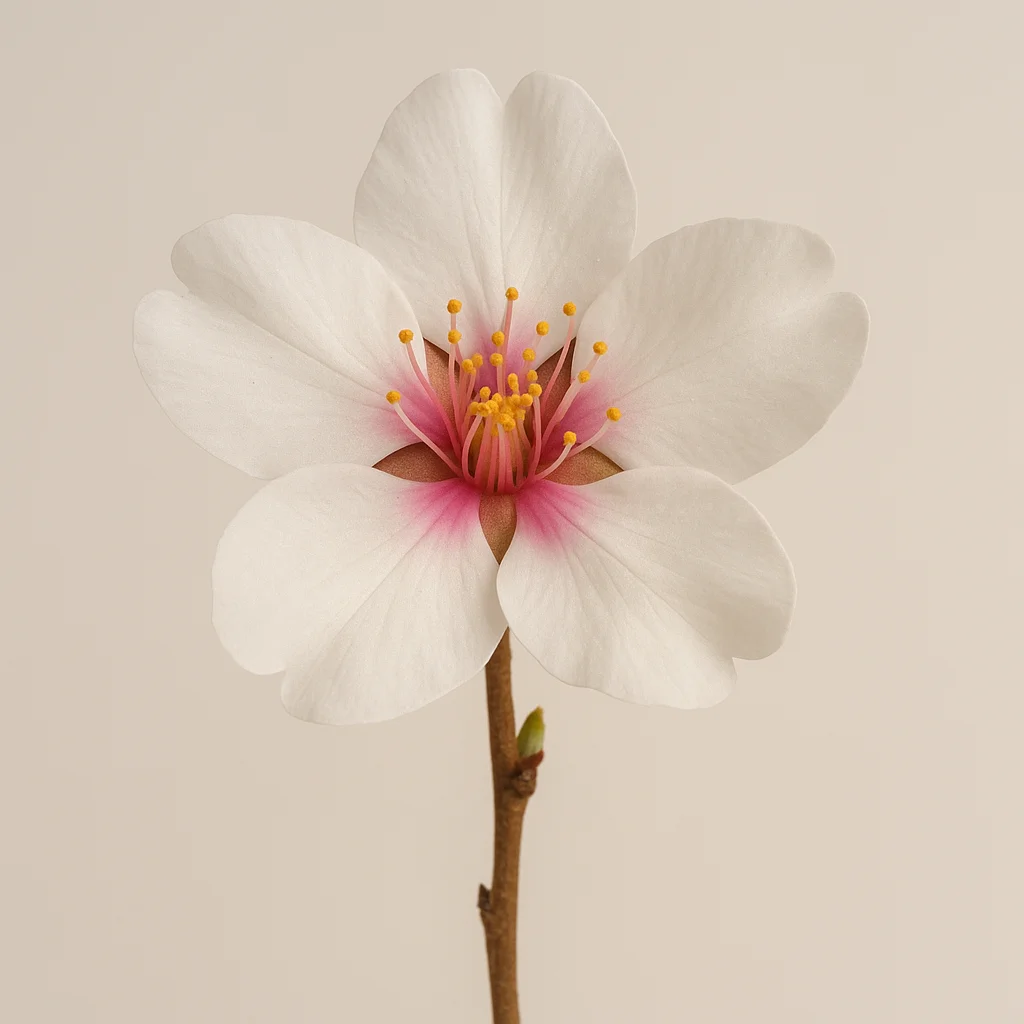
The almond blossom, a delicate and enchanting flower, heralds the onset of spring with its breathtaking beauty. Renowned for its symbolic representation of renewal, hope, and the fleeting nature of life, the almond blossom is an icon in both art and culture. These flowers, with their soft pink and white hues, captivate the hearts of many, making them popular in gardens and as decorative elements.
🌼 Botanical Overview
The almond blossom originates from the Prunus dulcis tree, commonly known as the almond tree. This tree belongs to the Rosaceae family, which also includes other familiar fruit-bearing trees such as apples and cherries. The flowers typically boast five petals and are one of the earliest bloomers of the spring season. While the almond tree is primarily grown for its nuts, the blossoms themselves are a significant attraction due to their aesthetic appeal.
Essentials to note include:
- Scientific Name: Prunus dulcis
- Family: Rosaceae
- Common Names: Almond blossom, Badaam flower
- Flower Colors: Soft pink, white
- Full plant visible in ideal garden settings
🌍 Origin & Natural Habitat
The almond tree is native to the Middle East and South Asia, with historical records indicating its cultivation as far back as 3,000 BCE. Currently, this tree finds its ideal habitat in regions characteristic of a Mediterranean climate, marked by mild, wet winters and hot, dry summers. In modern agriculture, countries like Spain, Italy, and the United States (especially California) lead in almond production, where acres of almond trees paint the landscape with their spectacular blooms during the blossoming season.
📅 Blooming Season
Almond blossoms are considered one of the first indicators of the arrival of spring. Depending on the climatic conditions, the blossoms typically make their first appearance in late winter to early spring. Their fleeting nature, lasting only a few weeks, lends them a sense of urgency, prompting nature enthusiasts to savor their beauty while it lasts.
- The blossoming season is generally from late January to early March.
- This early bloom can be at risk from unexpected frosts, impacting future nut production.
- Entire flower in frame, showcasing the unique transitional moment.
🌱 Growing & Care Tips
Successfully cultivating almond blossoms requires understanding the needs of the almond tree:
- Climate: Prefers Mediterranean climates with plenty of sunlight and well-drained soil.
- Watering: Requires regular watering during dry spells but should not be overwatered.
- Soil Requirements: Thrives in sandy loam soils or similar well-draining soils.
- Plant Placement: Full sun exposure is essential for optimal growth.
- Fertilization: Annual application of a balanced fertilizer helps promote healthy blooms.
- Complete bloom and stem should be visible in a spacious planting area.
✂️ Pruning & Maintenance
To maintain the health and beauty of the almond tree, pruning is essential:
- Timing: The ideal time for pruning is during the dormant season after the leaves have fallen.
- Technique: Focus on removing dead or diseased branches to encourage healthier blooms and better air circulation.
- Goals: Prune to maintain a manageable size and shape, promoting strong structure for the tree.
- Entire flower in frame for an optimum pruning result.
🌺 Symbolism & Cultural Meaning
The almond blossom carries significant symbolic meaning across various cultures:
- Renewal & Hope: As one of the first blossoms of the spring, it symbolizes renewal and the promise of life.
- Fragility & Beauty: Its brief flowering period reflects the transient nature of beauty and life.
- Mythology & Religion: Mentioned in various religious texts, the almond blossom has historical spiritual significance, such as in Christianity where it symbolizes divine favor and purity.
- Full plant visible in cultural and historical paintings.
💐 Popular Uses & Arrangements
Almond blossoms are employed in a variety of aesthetic and practical applications:
- Decoration: Often used in floral arrangements for weddings and special occasions due to their elegant appearance.
- Fragrance: Extracted almond blossom fragrance is popular in cosmetic and fragrance products.
- Culinary: While the flowers are not typically consumed, the nuts are a staple in global cuisine.
- Gardening: Adds early spring beauty to home gardens, complete bloom and stem enhancing landscape aesthetics.
⚠️ Safety, Toxicity & Precautions
While beautiful, almond blossoms and the trees which bear them do require some caution:
- Toxicity: The seeds within almond nuts can be toxic if not processed correctly due to the presence of amygdalin, which can convert to cyanide.
- Allergies: Some individuals may experience allergic reactions to almond trees and their blossoms.
- Handling: It is advisable to handle almond plants with care, particularly around children and pets.
- Entire flower in frame should always be accounted for in educational and safety materials.
📌 Summary
The almond blossom is more than just a pretty flower. It represents a season of renewal and carries a rich cultural history. Whether admired in gardens or featured in floral arrangements, its presence is a cherished symbol of spring. Understanding its botanical characteristics, care needs, and potential risks ensures that both its beauty and its benefits can be enjoyed responsibly and sustainably.